Skin pH and Cleansers: Why Balance Matters for a Healthy Skin Barrier
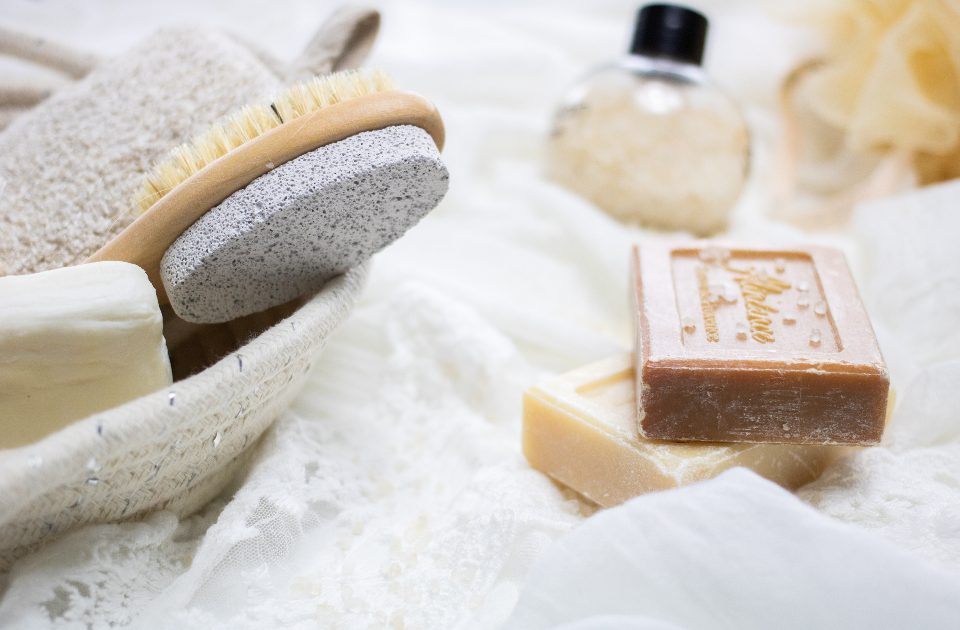
Squeaky-clean skin feels satisfying right after washing your face, but that tight, stripped sensation is often a sign your cleanser did more than remove dirt — it disrupted your skin’s natural pH balance. This is one of the most common, least understood mistakes in everyday skincare, and it can quietly undermine an otherwise good routine.
This article explains what skin pH actually is, why it matters for barrier health, and how to choose and use cleansers that work with your skin instead of against it.
What Skin pH Actually Means
Healthy skin has a naturally slightly acidic surface, generally cited in dermatology sources as falling somewhere around pH 4.5 to 5.5, compared to a neutral pH of 7. This acidic layer is often called the “acid mantle,” a thin film made up of sebum, sweat, and natural moisturizing factors that sits on the skin’s surface.
This acidity isn’t incidental — it plays a functional role. The skin’s slightly acidic environment supports the activity of enzymes involved in maintaining the barrier, helps regulate the skin’s beneficial microbiome, and creates conditions less hospitable to certain harmful bacteria.
- The skin barrier — the outermost layer of skin — relies on a properly functioning acid mantle to keep moisture in and irritants out.
- Many traditional bar soaps are formulated at a much higher, more alkaline pH (often 9-10), which is part of why they can leave skin feeling tight and stripped.
- Research consistently shows that repeatedly disrupting skin pH toward alkaline levels is associated with impaired barrier function and increased sensitivity over time.
What Happens When Cleansers Disrupt Skin pH
When a cleanser shifts your skin’s surface toward a more alkaline pH, it can temporarily impair the enzymes responsible for maintaining and repairing the barrier, and disrupt the balance of the skin’s microbiome. For most people with resilient, healthy skin, an occasional alkaline cleanse isn’t a major problem — the skin has some capacity to buffer and recover.
The concern is more relevant for repeated, daily disruption, particularly in people who already have a compromised barrier, such as those with eczema, rosacea, or generally sensitive, reactive skin. In these cases, consistently using high-pH cleansers can contribute to a cycle of dryness, irritation, and increased sensitivity that’s hard to break without changing the cleanser itself.
- Dermatology guidance on managing sensitive skin and conditions like eczema frequently recommends gentle, pH-balanced or slightly acidic cleansers as a foundational step.
- The skin microbiome — the community of bacteria living on the skin’s surface — is increasingly recognized as relevant to overall skin health, and pH is one of the environmental factors that helps keep it balanced.
How to Tell If Your Cleanser Is Too Harsh
You don’t need a lab test to get a reasonable sense of whether your current cleanser is disrupting your skin’s balance.
- The tightness test: if your skin feels tight, dry, or “squeaky clean” within a few minutes of washing, that’s a common sign of an overly alkaline or stripping cleanser.
- Redness or increased sensitivity after cleansing, especially if it’s a new or worsening pattern.
- Increased reactivity to products you previously tolerated well, which can be a downstream sign of barrier disruption.
- Visible flaking or rough texture that develops or worsens with your current cleansing routine.
How to Choose a Skin-Friendly Cleanser
Cleanser formulation has improved significantly compared to older bar-soap norms, and pH-balanced options are now widely available across price points.
- Look for cleansers labeled “pH-balanced” or formulated in the mildly acidic range, which many modern facial cleansers now specify.
- Favor cream, gel, or lotion cleansers over traditional bar soap, which tends to run more alkaline.
- Avoid cleansers with strong foaming sulfates if you have dry or sensitive skin, since these can compound stripping effects.
- If you use a toner, choosing one that helps restore the skin’s natural acidity after cleansing can be a useful complementary step, though it’s not mandatory for everyone.
How to Apply This: A Simple Routine
Rebuilding a healthy relationship between your cleanser and your skin barrier doesn’t require a dramatic overhaul.
- Switch to a gentle, pH-balanced cleanser if you currently use a foaming or bar soap that leaves skin feeling tight.
- Cleanse with lukewarm, not hot, water — hot water can further strip natural oils regardless of the cleanser used.
- Limit washing to twice daily (morning and evening) unless you have a specific reason to cleanse more often, since overwashing is a common contributor to barrier disruption.
- Follow with a barrier-supportive moisturizer, ideally one containing ceramides or similar lipids, to help replace what cleansing removes.
- Give it time — if you’re transitioning from a harsh cleanser, allow a few weeks for your skin barrier to recover before judging the new routine’s effectiveness.
If you have a diagnosed skin condition like eczema, rosacea, or dermatitis, work with a dermatologist to choose a cleanser appropriate for your specific situation, since needs can vary significantly.
Common Mistakes to Avoid
Cleansing seems like the simplest step in a skincare routine, which is part of why these mistakes are so common.
- Choosing a cleanser based on how “clean” or tight the skin feels afterward, rather than how it looks and feels over the following hours.
- Overwashing in an attempt to control oiliness, which often triggers more oil production as skin tries to compensate for barrier disruption.
- Using hot water, which compounds the drying effect of an already harsh cleanser.
- Switching cleansers frequently, which makes it hard to identify whether a specific product is actually the problem.
Is bar soap always bad for your face?
Not necessarily, but traditional bar soaps tend to be more alkaline than modern liquid or cream facial cleansers, which is worth knowing if you notice tightness or irritation after use. Some newer “syndet” (synthetic detergent) bars are formulated closer to skin-friendly pH ranges.
Do I need a pH-testing strip to check my cleanser?
It’s not necessary for most people. Paying attention to how your skin feels and looks after cleansing is a practical, sufficient guide for most routines, though pH strips are available if you’re curious about a specific product.
Can double cleansing disrupt skin pH more than single cleansing?
It can, particularly if both steps use stripping products. If you double cleanse, consider using an oil or balm cleanser first and a gentle, pH-balanced cleanser second to minimize cumulative barrier disruption.
How long does it take for skin pH to recover after a harsh cleanser?
Some research suggests skin pH can take a few hours to return to baseline after a single alkaline cleanse in healthy skin, but repeated daily disruption is more likely to create a lasting, cumulative effect on barrier function than a single instance.
Related reading
Affiliate & medical disclosure: This review is independent and for information only, not medical advice. Some links may be affiliate links; we may earn a commission at no cost to you, which never affects our score. Consult a licensed provider before starting any product.