Skin Flooding: The Viral Hydration Trend Explained
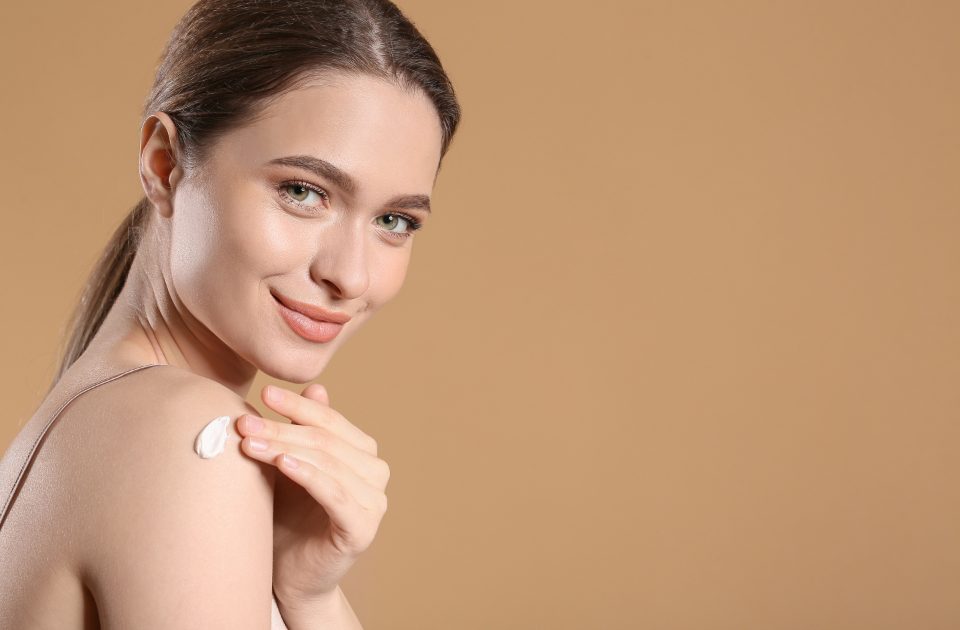
“Skin flooding” is one of the more viral skincare trends to emerge from social media in recent years, and unlike some trends, it’s less a new invention than a rebranding of a technique dermatologists have quietly recommended for decades: layering multiple hydrating products onto damp skin to lock in moisture. The name is new; the underlying science is not.
Still, the trend has gotten people paying closer attention to hydration order and technique, which is a genuinely useful shift for skin that’s chronically dry, tight, or flaky. Here’s what skin flooding actually involves and where the evidence supports it.
What Skin Flooding Actually Means
Skin flooding refers to applying several layers of lightweight, hydrating products — typically a hydrating toner or essence, then a hyaluronic acid serum, then a moisturizer, and sometimes a facial oil — to skin that is still slightly damp rather than fully dry. The idea is to “flood” the skin’s outer layer with water and humectants before sealing that hydration in with an occlusive layer.
This isn’t fundamentally different from the standard dermatological advice to apply moisturizer to damp skin after cleansing or showering, which has been recommended for years to improve moisturizer effectiveness. Skin flooding essentially adds more hydrating steps to that same core principle.
The Science Behind Why It Can Work
Hyaluronic acid is a humectant, meaning it draws water into the skin’s outer layer rather than providing oil-based lubrication. Research consistently shows humectants work best when there’s actually water available to draw in — either from a damp application surface or from sufficiently humid air — which is why applying it to dry skin in a low-humidity environment can sometimes have the opposite effect, pulling moisture from deeper skin layers instead.
Layering an occlusive moisturizer or facial oil on top afterward helps seal that water in, reducing transepidermal water loss — the process by which water evaporates from skin into the air. This layering logic (humectant first, occlusive last) is well established in dermatology, even if “skin flooding” as a specific term is new.
Who Benefits Most From This Technique
People with dry, dehydrated, or flaky skin — especially during winter months or in dry climates — tend to see the most noticeable benefit from skin flooding, since the technique directly addresses moisture loss. It can also help skin that’s been temporarily compromised by over-exfoliation or strong actives like retinoids, giving the skin barrier extra support while it recovers.
- Dry or dehydrated skin types generally benefit the most
- Skin recovering from barrier damage or irritation can benefit from the extra hydration layers
- Oily or acne-prone skin should approach the technique cautiously, since heavier layering can feel occlusive and may not suit every skin type
- Combination skin may benefit from applying the technique selectively to drier areas only
How to Apply This: A Step-by-Step Routine
- Cleanse gently with a non-stripping cleanser, then pat skin so it’s damp but not dripping.
- Apply a hydrating toner or essence while skin is still damp, pressing it in with your palms rather than rubbing.
- Layer a hyaluronic acid serum next, again onto slightly damp skin for best absorption.
- Seal with a moisturizer appropriate for your skin type — richer creams for dry skin, lighter gel-creams for oilier skin.
- Optionally finish with a facial oil for very dry skin or in particularly low-humidity conditions, applied as the final occlusive layer.
- Follow with sunscreen in the morning, since no hydration routine replaces daily sun protection for long-term skin health.
Common Mistakes That Undermine the Technique
The biggest mistake is letting skin fully dry out between cleansing and the first hydrating step — the “flooding” concept depends on applying humectants while there’s still surface water present to draw from. Waiting too long after cleansing, especially in a dry bathroom environment, can reduce the technique’s effectiveness considerably.
Another common error is skipping the occlusive final step. Humectants alone, without something to seal moisture in afterward, can occasionally leave skin feeling more dehydrated in low-humidity conditions, since the humectant may pull water from within the skin if there isn’t enough ambient or surface moisture to draw from instead.
Is It Different From a Normal Skincare Routine?
In practice, skin flooding is less a new method and more a renewed emphasis on two things many people skip: applying products to damp rather than fully dry skin, and using enough product layers to actually support the skin barrier. The Academy of Nutrition and Dietetics and general dermatology guidance both emphasize that overall hydration — including adequate water intake — also supports skin health from the inside, though topical technique and internal hydration address different aspects of skin moisture and neither fully substitutes for the other.
Can skin flooding cause breakouts?
For oily or acne-prone skin, heavier layering can occasionally feel too rich or occlusive. Choosing lightweight, non-comedogenic products and adjusting the number of layers can help this technique work for more skin types.
How often should I do skin flooding?
It can be used as a daily routine, particularly in dry conditions or seasons, or reserved for times when skin feels especially dry or compromised, depending on your skin’s needs.
Do I need expensive products for skin flooding to work?
No. The technique relies on the layering method and ingredient types (humectants followed by occlusives) rather than any specific brand or price point.
Is skin flooding safe for sensitive skin?
Generally yes, since it relies on gentle, hydrating ingredients, but anyone with sensitive skin should introduce new products one at a time and patch test to rule out reactions to specific formulas.
Environment and Seasonal Adjustments
How much benefit skin flooding provides can depend heavily on your environment. Indoor heating in winter and air conditioning in summer both lower ambient humidity, which increases water loss from skin and makes layered hydration techniques more noticeably helpful. In naturally humid climates or seasons, a lighter version of the routine — fewer layers, lighter textures — often achieves a similar comfortable result without feeling heavy on the skin. Paying attention to how your skin feels through the day, rather than following a fixed routine regardless of conditions, is generally the most reliable way to fine-tune any hydration technique.
Related reading
Affiliate & medical disclosure: This review is independent and for information only, not medical advice. Some links may be affiliate links; we may earn a commission at no cost to you, which never affects our score. Consult a licensed provider before starting any product.