Ashwagandha: What the Evidence Says About This Popular Adaptogen
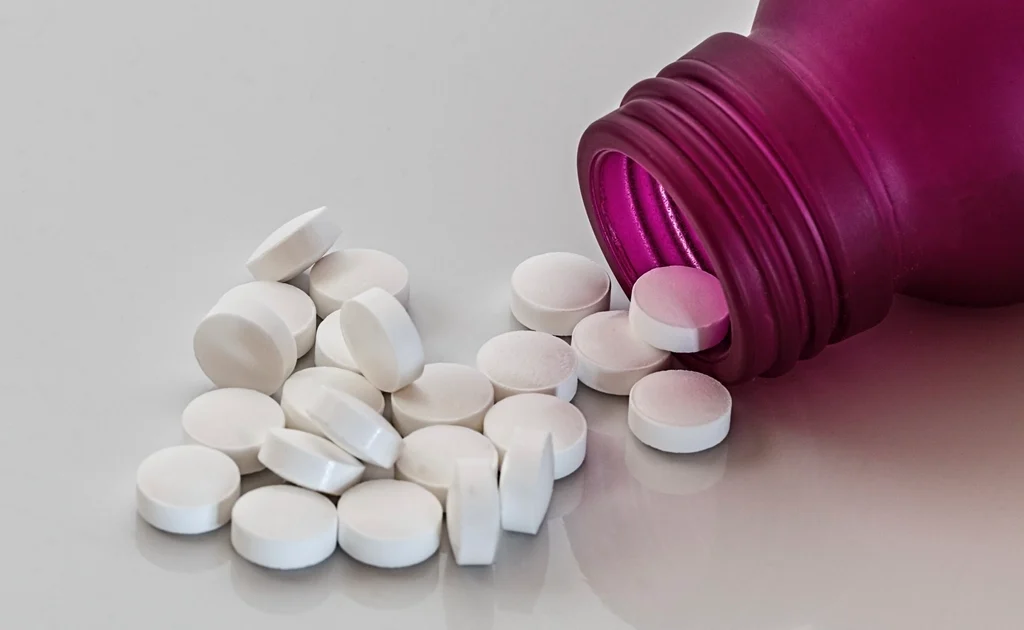
Ashwagandha has gone from a staple of traditional Ayurvedic medicine to one of the best-selling supplements in Western wellness aisles, showing up in everything from capsules to gummies to chocolate bars. But separating what’s genuinely supported by research from what’s aggressive supplement marketing takes a closer look at the actual evidence.
A common mistake is treating ashwagandha as a guaranteed fix for stress, sleep, or hormone issues simply because it’s labeled ‘natural’ or ‘ancient.’ Like most supplements, its effects are real but modest, context-dependent, and not a substitute for foundational habits like sleep, nutrition, and stress management.
What Is Ashwagandha?
Ashwagandha (Withania somnifera) is a shrub used for centuries in Ayurvedic medicine, where its root and berry have traditionally been used as a general tonic. It’s classified as an ‘adaptogen,’ a term used for substances believed to help the body adapt to physical or mental stress, though this is a traditional and marketing category rather than a formally recognized pharmacological classification.
- Traditional use: general tonic and stress-support herb in Ayurvedic medicine
- Modern form: most commonly sold as root extract in capsules or powder
- Common marketed uses: stress reduction, sleep support, exercise recovery
What the Research Actually Shows About Stress and Cortisol
Several small clinical trials have examined ashwagandha’s effect on self-reported stress and anxiety, with a number finding modest reductions in stress scores and cortisol levels compared to placebo over 8-12 week periods. Research consistently shows these effects tend to be modest rather than dramatic, and study quality varies considerably, with many trials involving relatively small numbers of participants.
It’s important to be precise here: this is a meaningfully different claim than saying ashwagandha “cures” stress or anxiety. The honest summary of current evidence is that it may offer modest support for stress management as part of a broader approach, not a stand-alone solution.
Sleep, Exercise Performance, and Other Claimed Benefits
Some research has explored ashwagandha’s effects on sleep quality, with modest improvements reported in a handful of trials, particularly in people with existing sleep difficulties rather than healthy sleepers. Similarly, a few studies in athletic populations have suggested small improvements in strength or muscle recovery markers, though this research base is still limited and results are inconsistent across studies.
- Stress/anxiety: modest reductions reported in several small trials
- Sleep: some improvement, mainly in people with existing sleep difficulty
- Exercise performance: limited, inconsistent evidence for strength or recovery benefits
Safety Considerations and Who Should Be Cautious
Ashwagandha is generally well tolerated in typical supplement doses over short-to-moderate use periods, but it isn’t risk-free for everyone. It may affect thyroid hormone levels, so people with thyroid conditions should discuss it with a healthcare provider before use. It’s also not recommended during pregnancy, and it may interact with sedatives, immunosuppressants, or thyroid medications.
There have also been rare case reports of liver injury associated with ashwagandha use, which is part of why healthcare providers generally recommend using it under medical guidance if you have any underlying liver condition or take other medications regularly. Because ashwagandha can have a mild sedative effect for some people, it’s also worth being cautious about combining it with alcohol or other calming supplements like melatonin until you know how your body responds.
Choosing Between Root Extract and Other Forms
Most of the clinical research behind ashwagandha’s stress and sleep benefits has used standardized root extract, rather than leaf extract or whole-plant powder blends, which can vary widely in their active compound content. When comparing products, checking that the label specifies a standardized root extract, ideally with a stated concentration of withanolides (the compounds believed to be biologically active), gives you a better chance of getting something similar to what was actually studied.
Price can be a useful, if imperfect, signal here too: unusually cheap ashwagandha products sometimes cut corners on standardization or use lower-quality plant material, which may explain why some people report no noticeable effect even after weeks of consistent use.
How to Approach Ashwagandha If You Want to Try It
A Practical Starting Approach
- Talk to a healthcare provider first, especially if you have thyroid, liver, or autoimmune conditions, or take other medications
- Choose a reputable brand that provides third-party testing, since supplement quality and actual ingredient content can vary widely
- Start with the lowest studied dose (commonly 300-600mg of root extract per day in research) rather than assuming more is better
- Give it 8-12 weeks, matching the timeframe used in most clinical trials, before judging whether it’s making a noticeable difference
- Treat it as a complement to, not a replacement for, sleep hygiene, regular exercise, and stress-management practices
Setting Realistic Expectations
The supplement industry often markets adaptogens with much bigger promises than the underlying research supports. Ashwagandha has a reasonably promising evidence base compared to many trendy supplements, but “reasonably promising” still means modest effects, imperfect study quality, and meaningful individual variation in response. Some people notice a difference; others don’t, and that’s consistent with how the current research reads.
If chronic stress, poor sleep, or fatigue are significantly affecting your life, those symptoms deserve attention beyond a supplement, whether that’s addressing sleep habits, managing workload, or talking to a healthcare provider about what else might be contributing.
Is ashwagandha safe to take every day?
Most studies use daily dosing for 8-12 weeks without major safety issues in healthy adults, but long-term daily use beyond that timeframe hasn’t been as extensively studied, so periodic breaks and medical guidance are reasonable.
Can ashwagandha help with anxiety disorders?
Some studies show modest benefit for everyday stress and mild anxiety symptoms, but it is not a substitute for professional treatment of diagnosed anxiety disorders, which may require therapy or medication.
Does ashwagandha affect testosterone or hormones?
Some small studies suggest modest effects on certain hormone markers in specific populations, but the evidence isn’t strong or consistent enough to treat it as a reliable hormone-optimization tool.
How long does it take to notice effects?
Most clinical trials measure outcomes after 8-12 weeks of consistent use, so it’s reasonable to give it that long before deciding whether it’s helping.
Affiliate & medical disclosure: This review is independent and for information only, not medical advice. Some links may be affiliate links; we may earn a commission at no cost to you, which never affects our score. Consult a licensed provider before starting any product.