Nitrates in Beets and Leafy Greens: What They Do for Blood Pressure and Endurance
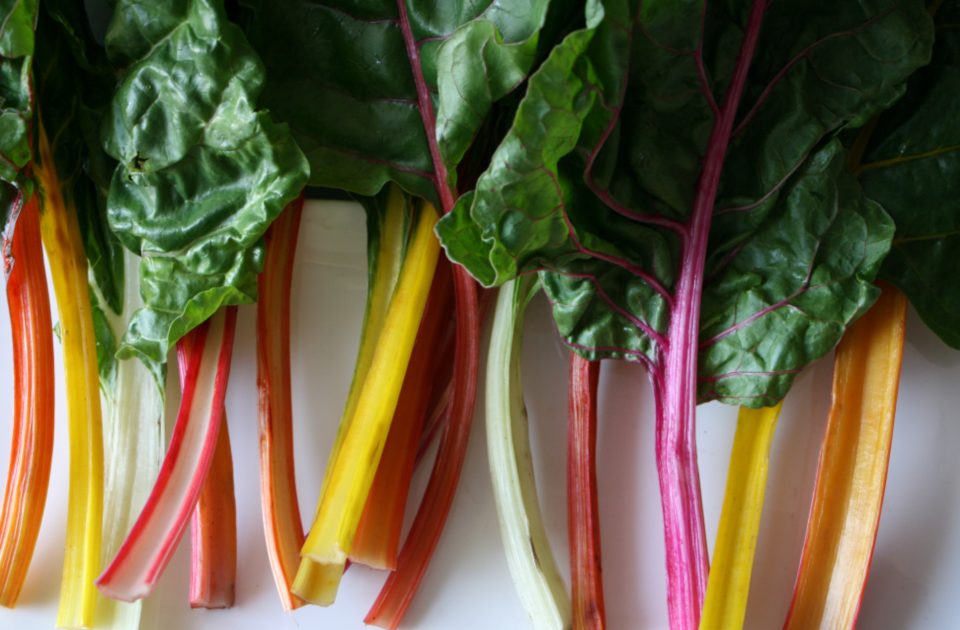
For years, “nitrates” carried a mostly negative connotation, thanks to their association with processed deli meats and warnings about food additives. But the nitrates naturally found in beets, spinach, and other vegetables tell a very different story — one that’s made beet juice a genuine fixture in endurance-athlete nutrition and a topic of real interest in blood pressure research. The common mistake is lumping all dietary nitrates together, when source and context change the picture considerably.
This article explains what nitrates do in the body, what the evidence shows for blood pressure and exercise performance, and how to include nitrate-rich vegetables in your diet.
What Dietary Nitrates Actually Do
When you eat nitrate-rich vegetables, some of that nitrate is converted by bacteria in your mouth and gut into nitrite, which the body can further convert into nitric oxide. Nitric oxide is a signaling molecule that helps relax and widen blood vessels, a process called vasodilation.
This mechanism is the basis for most of the interest in beets and leafy greens: wider, more relaxed blood vessels are associated with easier blood flow and, in some research, modestly lower blood pressure.
- Beets, spinach, arugula, and celery are among the vegetables with the highest natural nitrate content.
- The nitrate-to-nitrite-to-nitric-oxide pathway is distinct from concerns about nitrates and nitrites added as preservatives in processed meats, which involve different food matrices and different health considerations.
- Research consistently shows that whole-food sources of nitrate, eaten as part of a vegetable-rich diet, are associated with cardiovascular benefits rather than the risks sometimes linked to processed meat additives.
What the Evidence Shows for Blood Pressure
Multiple studies have examined beet juice and blood pressure specifically, since it’s a concentrated and easy-to-standardize source of dietary nitrate for research purposes. Meta-analyses suggest that beet juice or nitrate-rich vegetable intake can produce a modest reduction in blood pressure in many people, though the effect size varies between individuals and studies.
It’s important to frame this accurately: the observed reductions are generally modest, more comparable to a helpful dietary habit than a substitute for prescribed blood pressure medication. The American Heart Association continues to emphasize a broader dietary pattern — rich in vegetables, fruits, and whole grains, similar to the DASH diet — as the foundation for blood pressure management, with nitrate-rich vegetables fitting naturally within that pattern rather than standing alone as a fix.
- The AHA recommends limiting sodium intake as a primary lever for blood pressure control, and nitrate-rich vegetables are naturally low in sodium, making them a favorable addition rather than a workaround.
- Potassium-rich vegetables, a category that overlaps with many nitrate-rich greens, are specifically noted as helpful for blood pressure by cardiovascular health guidance, since potassium is a mineral many diets fall short on.
What the Evidence Shows for Exercise Performance
Beet juice has become popular among endurance athletes because of research suggesting dietary nitrate can improve the efficiency of oxygen use during exercise, potentially reducing the oxygen cost of submaximal exercise and modestly improving time-to-exhaustion in some studies.
The effect appears most consistent in submaximal, endurance-type exercise rather than short, maximal efforts, and — as with blood pressure — individual response varies considerably. Some athletes report a noticeable difference; others notice little to none.
- Studies commonly use beet juice consumed a few hours before exercise, though protocols vary across research.
- Using an antibacterial mouthwash has been shown in some research to blunt the nitrate-to-nitrite conversion process, since it disrupts the oral bacteria responsible for the first conversion step — a good example of how gut and oral microbiome health intersect with nutrition.
How to Get More Nitrates From Food
You don’t need supplements or specialty products to increase intake — nitrate-rich vegetables are widely available and inexpensive.
- Beets: the most concentrated commonly available source, whether roasted, juiced, or added raw to salads.
- Spinach and arugula: among the highest-nitrate leafy greens, easy to add to salads, smoothies, or sautés.
- Celery and lettuce: moderate sources that are easy to include daily.
- Beet juice or shots: a concentrated, convenient option, particularly popular before endurance workouts.
How to Apply This: A Practical Plan
Whether your goal is general cardiovascular health or exercise performance, the approach is similar: consistent inclusion rather than occasional use.
- For general health: aim to include a nitrate-rich vegetable (beets, spinach, arugula) most days as part of the WHO’s broader recommendation of at least 400g of fruit and vegetables daily.
- For blood pressure support: pair nitrate-rich vegetables with an overall lower-sodium, higher-potassium eating pattern rather than relying on them in isolation.
- For endurance performance: if experimenting with beet juice, try it 2-3 hours before a key training session or event to gauge your individual response before relying on it for competition.
- Skip antibacterial mouthwash around the time you’re trying to benefit from dietary nitrates, since it may interfere with the conversion process.
Anyone on blood pressure medication or with a cardiovascular condition should talk to their healthcare provider before making significant changes to nitrate intake, particularly with concentrated sources like beet juice shots.
Common Mistakes to Avoid
Nitrate-rich foods are easy to get wrong by either over- or under-estimating their impact.
- Expecting beet juice to replace prescribed blood pressure medication rather than complement overall diet.
- Confusing beneficial vegetable nitrates with concerns about nitrate and nitrite additives in processed meats — the health context is different.
- Using antibacterial mouthwash right before or after eating nitrate-rich foods when trying to benefit from the effect.
- Trying beet juice for the first time right before an important competition instead of testing individual tolerance and response in training.
Are nitrates in vegetables the same as nitrates in processed meat?
Chemically related but contextually different. Vegetable nitrates are consumed alongside antioxidants, fiber, and other beneficial compounds, and research consistently associates them with health benefits, whereas concerns about processed meat relate to how added nitrates behave in that specific food matrix.
How much beet juice should I drink for blood pressure benefits?
There’s no single official dose, and research protocols vary. A reasonable, food-first approach is to include beets and other nitrate-rich vegetables regularly as part of an overall healthy diet rather than fixating on a specific beet juice quantity.
Does cooking destroy the nitrates in vegetables?
Some nitrate content can be reduced by cooking, particularly boiling (since nitrates are water-soluble), but roasting, steaming, or eating vegetables raw generally preserves more of their nitrate content than boiling in a lot of water.
Can beet juice turn urine or stool pink?
Yes, this is a common and harmless effect called beeturia, caused by pigments in beets rather than the nitrate content itself, and it typically resolves on its own within a day or so of stopping intake.
Related reading
Affiliate & medical disclosure: This review is independent and for information only, not medical advice. Some links may be affiliate links; we may earn a commission at no cost to you, which never affects our score. Consult a licensed provider before starting any product.