Canned vs Fresh vs Frozen Vegetables: Which Is Actually More Nutritious?
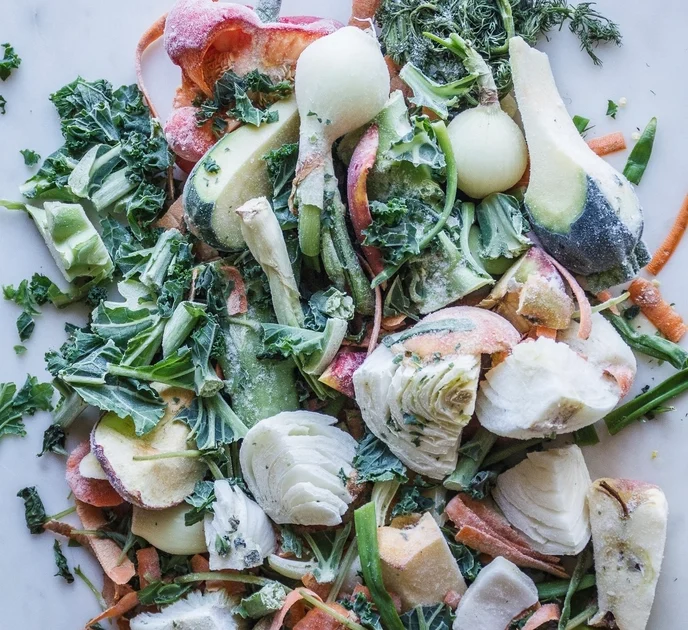
Standing in the produce aisle, many people assume fresh vegetables are automatically the healthiest choice, while canned and frozen options feel like a compromise. It’s an understandable assumption — but it’s not entirely accurate, and it can lead people to skip perfectly nutritious, budget-friendly, and convenient options out of habit rather than evidence.
The reality is more interesting: depending on how “fresh” produce has traveled and how long it’s sat on a shelf, frozen or even canned vegetables can sometimes retain more nutrients than the fresh version sitting in your crisper drawer for a week.
How Nutrient Loss Actually Happens
Vegetables begin losing certain nutrients — particularly water-soluble vitamins like vitamin C and some B vitamins — from the moment they’re harvested. Exposure to light, heat, and time all accelerate this degradation. “Fresh” produce in a grocery store has often traveled significant distances and sat in transit or storage for days to weeks before reaching your cart, then sits longer still in your refrigerator.
This matters because nutrient loss is cumulative. A vegetable picked, flash-frozen, and sealed within hours can retain more of its original nutrient content than one that looks fresher on the shelf but has actually been out of the ground much longer.
Frozen Vegetables: Often Underrated
Most frozen vegetables are picked at peak ripeness and blanched (briefly heated) and frozen within hours of harvest, which locks in nutrients at a point when they’re typically at their highest levels. Research comparing frozen and fresh produce consistently shows that frozen vegetables retain comparable, and sometimes higher, levels of vitamins and minerals than fresh produce that has been stored for several days.
- Peas, corn, spinach, and broccoli freeze particularly well nutritionally
- Freezing does not meaningfully reduce fiber or mineral content
- Blanching before freezing causes some vitamin C loss, but often less than the loss from days of fresh storage
Canned Vegetables: More Nutritious Than Their Reputation
Canned vegetables get an unfairly bad reputation, largely due to concerns about added sodium rather than nutrient content itself. The canning process does reduce some heat-sensitive vitamins, but minerals, fiber, and many other nutrients remain largely intact. In fact, some nutrients, like lycopene in canned tomatoes, actually become more bioavailable (easier for the body to absorb) after the heating process involved in canning.
The main drawback of canned vegetables is sodium, since salt is often added during processing for flavor and preservation. The American Heart Association recommends most adults limit sodium intake to roughly 2,300 milligrams a day, with an ideal limit closer to 1,500 milligrams for many adults, which makes checking labels worthwhile. Choosing “no salt added” varieties or rinsing canned vegetables before use can reduce sodium content substantially.
Fresh Vegetables: Still a Great Choice, With Caveats
Fresh, locally grown, in-season produce that reaches your plate quickly genuinely does offer excellent nutrient density, and there’s real value in the fiber, water content, and texture fresh vegetables provide. The issue isn’t that fresh vegetables are bad — it’s that “fresh” doesn’t automatically mean “nutritionally superior” once transport time, storage duration, and handling are factored in.
The Academy of Nutrition and Dietetics emphasizes that the most important factor for most people isn’t which form of vegetable they choose, but simply eating enough vegetables in any form consistently, since most adults fall well short of recommended daily vegetable intake regardless of format. USDA dietary guidance suggests most adults aim for roughly 2 to 3 cups of vegetables a day, and survey data consistently shows the large majority of US adults don’t consistently reach that range — a much bigger gap for overall health than any small nutrient difference between fresh, frozen, and canned formats.
Practical Considerations Beyond Nutrition
Cost, convenience, and food waste matter too. Frozen and canned vegetables typically cost less per serving than fresh, have a much longer shelf life, and reduce the food waste that comes from fresh produce spoiling before it’s used. For many households, this practical advantage translates into eating more vegetables overall, which matters more for health outcomes than any small nutrient differences between formats. A typical bag of frozen mixed vegetables or a can of no-salt-added beans can cost roughly half as much per serving as the fresh equivalent, and unlike fresh produce, both can sit safely in the pantry or freezer for months without spoiling, which meaningfully cuts down on the food waste that undermines a lot of well-intentioned healthy grocery hauls.
- Fresh: best for immediate use, salads, and dishes where texture matters most
- Frozen: excellent for smoothies, soups, stir-fries, and reducing food waste
- Canned: convenient for pantry staples like beans, tomatoes, and corn — just watch sodium
How to Apply This: Building a Balanced Vegetable Rotation
Rather than choosing one format exclusively, a practical approach mixes all three based on convenience and use case:
- Keep a rotation of frozen vegetables on hand for quick weeknight meals and smoothies.
- Stock a few “no salt added” canned staples (tomatoes, beans, corn) for fast pantry meals.
- Buy fresh vegetables in amounts you’ll realistically use within a few days to avoid spoilage-driven nutrient loss and waste.
- Rinse canned vegetables under water for about 30 seconds to reduce sodium content by a meaningful margin.
- Focus on total vegetable variety and volume across the week rather than worrying about small nutrient differences between formats.
People managing specific health conditions, such as high blood pressure or kidney disease, should talk to a healthcare provider or registered dietitian about sodium and specific vegetable choices tailored to their needs.
Are frozen vegetables as good as fresh ones?
In many cases, yes, and sometimes frozen retains more nutrients than fresh produce that’s been stored for a while, since frozen vegetables are typically processed at peak ripeness.
Should I avoid canned vegetables because of sodium?
Not necessarily — choosing no-salt-added versions or rinsing before use significantly reduces sodium, and the nutritional benefits of the vegetables themselves remain largely intact.
Do frozen vegetables lose nutrients when reheated?
Some nutrient loss can occur with any cooking method, including reheating, but steaming or microwaving with minimal water generally preserves more nutrients than boiling.
Which format should I choose if I’m on a budget?
Frozen and canned vegetables are typically more affordable and have a longer shelf life than fresh, making them practical, nutritious choices for budget-conscious households.
Related reading
Affiliate & medical disclosure: This review is independent and for information only, not medical advice. Some links may be affiliate links; we may earn a commission at no cost to you, which never affects our score. Consult a licensed provider before starting any product.