Spirulina and Chlorella: Are Blue-Green Algae Supplements Worth It?
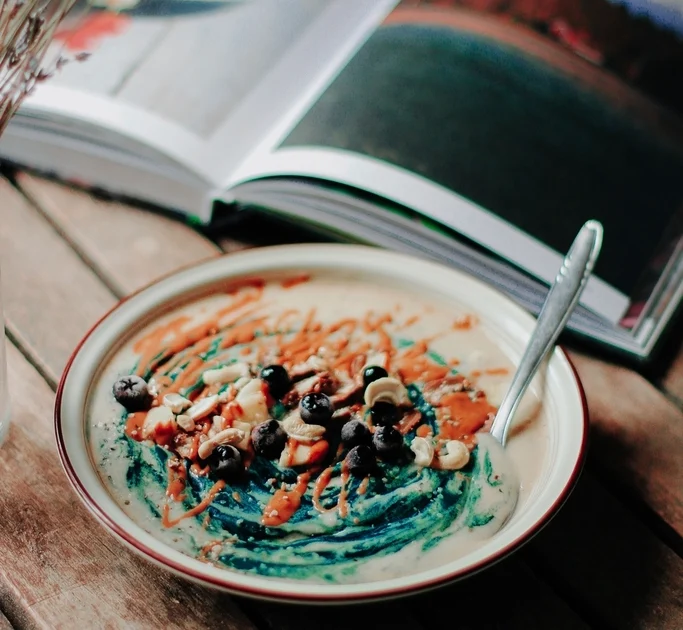
Spirulina and chlorella have become fixtures of the supplement aisle, marketed with sweeping claims about detoxification, immune support, and superfood status. Both are single-celled algae, packed into powders, tablets, and increasingly, green smoothie mixes. But strip away the marketing and there’s a genuinely interesting nutritional profile underneath — alongside a few important caveats that rarely make it onto the label.
A common mistake is treating spirulina and chlorella as interchangeable, or assuming “superfood” status means they can replace a balanced diet. They’re nutrient-dense, but understanding exactly what they offer — and what they don’t — helps you decide whether they earn a place in your routine.
What Spirulina and Chlorella Actually Are
Spirulina is a cyanobacterium (technically a type of blue-green algae) that has been consumed for centuries in parts of Africa and Mesoamerica. Chlorella is a single-celled green algae with a tough outer cell wall that must be mechanically broken during processing for its nutrients to be digestible. Despite frequently being marketed together, they have distinct nutritional profiles and different evidence bases behind them.
Both are notably rich in protein relative to their calorie content — spirulina in particular can be more than 50% protein by dry weight, which is unusually high for a plant-based food. They also supply a range of micronutrients, including iron, B vitamins, and various antioxidant pigments like phycocyanin (in spirulina) and chlorophyll (especially concentrated in chlorella).
What the Evidence Actually Supports
Separating solid evidence from marketing claims is essential here, since “detox superfood” language often outpaces the science:
- Nutrient density: Both algae are genuinely concentrated sources of protein, iron, and certain antioxidants, which is well documented and not in dispute.
- Cholesterol and blood pressure: Some clinical trials on spirulina suggest modest improvements in cholesterol markers and blood pressure with regular supplementation, though study sizes are often small and results vary.
- Immune markers: Research consistently shows some immune-modulating effects in laboratory and small human studies, but this doesn’t equate to a proven ability to prevent illness in the way marketing sometimes implies.
- Detoxification claims: Claims that chlorella “binds toxins” or “detoxes heavy metals” in the body are not well supported by robust human clinical evidence, despite being one of the most common marketing angles for the supplement.
In short: these are legitimately nutrient-dense foods with some promising but preliminary evidence for specific health markers, not a proven cure-all.
Key Differences Between Spirulina and Chlorella
While often sold side by side, the two have practical differences worth knowing:
- Digestibility: Spirulina’s cell wall is easily digestible as-is. Chlorella’s cell wall is much tougher and must be cracked during processing (usually mechanically), or its nutrients pass through largely unabsorbed.
- Protein completeness: Spirulina is considered a more complete protein source relative to chlorella, containing all essential amino acids in meaningful amounts.
- Chlorophyll content: Chlorella contains notably higher chlorophyll levels, which is responsible for its deeper green color and is the basis for some (less rigorously proven) claims about it.
- Vitamin B12: Spirulina contains a B12 analog that isn’t reliably usable by the human body, so it should not be relied upon as a B12 source, particularly important for vegans and vegetarians to know.
Safety Considerations and Who Should Be Cautious
Algae supplements are generally well tolerated, but there are meaningful safety considerations. Because algae can absorb contaminants from the water they’re grown in, product quality varies significantly by source and manufacturing standards — heavy metal or microcystin (a toxin some algae can produce) contamination has been documented in poorly regulated products historically. Choosing a reputable brand that tests for contaminants is important, not optional.
People with autoimmune conditions should talk to a doctor before using spirulina regularly, since its immune-stimulating properties could theoretically interact with autoimmune disease activity. Those with phenylketonuria (PKU) should avoid spirulina, as it contains phenylalanine. Anyone on blood thinners should also check with a healthcare provider, since some algae products may have mild effects on clotting.
How to Add Them to Your Diet
If you decide to try spirulina or chlorella, a practical approach looks like this:
- Start small. Begin with roughly 1 gram per day and build up gradually to assess tolerance, since some people experience mild digestive upset initially.
- Choose a reputable, third-party tested brand, given the contamination concerns tied to poor-quality sourcing.
- Blend it into food rather than taking it as an unpleasant-tasting standalone shot — spirulina and chlorella powders mix reasonably well into smoothies with fruit to mask the strong, distinctly “algae” flavor.
- Don’t rely on it as a primary protein or B12 source — treat it as a nutrient-dense addition to an already varied diet, not a replacement for whole foods.
- Track how you feel, and stop if you notice digestive discomfort, headaches, or any unusual symptoms, discussing them with a healthcare provider if they persist.
Spirulina and chlorella are reasonable additions for people looking to boost the nutrient density of their diet, particularly plant-based eaters seeking extra protein and iron, but they work best as a supplement to a varied diet rather than a shortcut around one.
Can spirulina replace a multivitamin?
No. While nutrient-dense, spirulina doesn’t provide a complete or balanced enough micronutrient profile — notably lacking reliable vitamin B12 and several other nutrients — to substitute for a well-rounded diet or a multivitamin if one is needed.
Is chlorella good for vegans?
It can be a useful addition for iron and protein, but vegans should still rely on fortified foods or supplements for reliable vitamin B12, since chlorella and spirulina are not dependable sources despite some marketing claims.
How much spirulina is safe per day?
Most studies use doses in the range of 1–8 grams per day without significant adverse effects in healthy adults, though it’s best to start low and consult a healthcare provider before higher-dose, long-term use.
Does spirulina really help with allergies?
Some small studies suggest a modest effect on allergy symptoms, but evidence isn’t strong or consistent enough to recommend it as a primary allergy treatment. It shouldn’t replace medications a doctor has recommended.
Related reading
Affiliate & medical disclosure: This review is independent and for information only, not medical advice. Some links may be affiliate links; we may earn a commission at no cost to you, which never affects our score. Consult a licensed provider before starting any product.