Greek Yogurt vs Skyr vs Cottage Cheese: High-Protein Dairy, Ranked
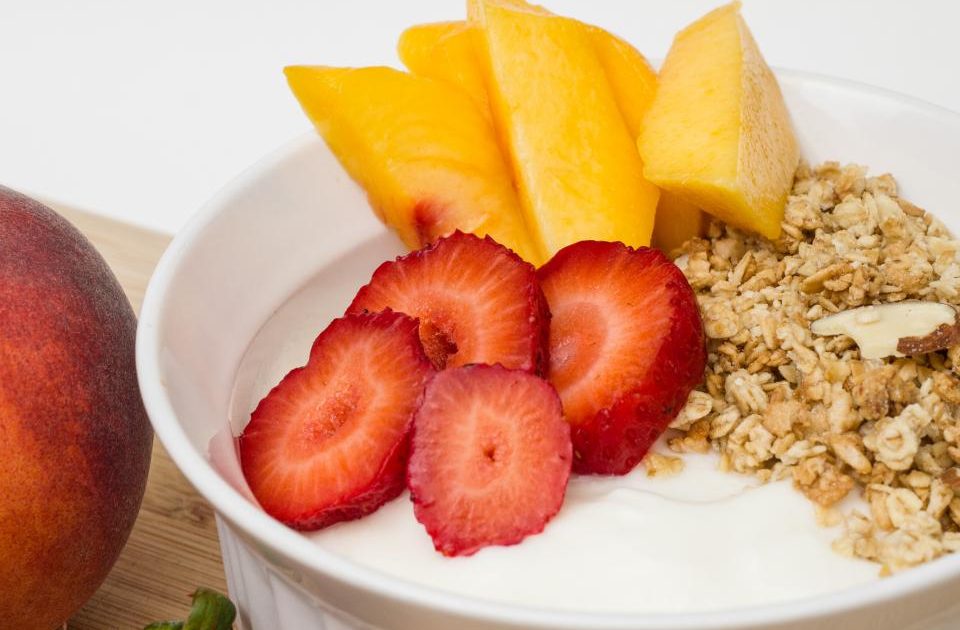
Somewhere in the last decade, the dairy aisle quietly became a protein aisle. Greek yogurt colonized half the refrigerator case, skyr showed up wearing Icelandic branding and a premium price, and cottage cheese — a food last fashionable when your grandmother was counting Weight Watchers points — staged one of the stranger comebacks in food history, largely because someone on the internet blended it into everything.
All three earn their spot. Per calorie, they’re some of the most protein-dense whole foods you can buy without cooking anything. But they’re not interchangeable, and the differences are worth knowing before you commit a week of breakfasts to the wrong tub.
The numbers, side by side
Per standard serving, using USDA nutrient data for plain, low-fat versions:
- Greek yogurt (170 g, nonfat): about 17 g protein, 100 calories, ~60 mg sodium, ~190 mg calcium
- Skyr (170 g, nonfat): about 19 g protein, 110 calories, ~65 mg sodium, ~200 mg calcium
- Cottage cheese (1 cup / 226 g, 2%): about 24 g protein, 180 calories, but ~700 mg sodium, ~250 mg calcium
Cottage cheese wins raw protein per serving. Skyr edges Greek per gram. And that sodium line under cottage cheese is doing a lot of quiet work — more on that shortly.
What actually separates them
Greek yogurt is regular yogurt strained to remove whey, concentrating protein roughly threefold over conventional yogurt. It keeps live active cultures, brings a tangy bite, and comes in every fat level from watery nonfat to 5% whole-milk versions that eat like dessert.
Skyr is technically a fresh cheese by tradition, though it lives with yogurts and behaves like one. It’s strained even further than Greek — Icelandic producers use nearly four times the milk per cup that regular yogurt requires — which yields a thicker texture, slightly higher protein, and a milder, less sour flavor. That mildness matters: people who find Greek yogurt aggressive often stay with skyr.
Cottage cheese skips the straining story entirely — it’s curds and a bit of cream or milk. Its protein is around 80 percent casein, the slow-digesting milk protein, which is why it has a decades-old reputation as a pre-bed food among lifters. Research on pre-sleep protein suggests casein consumed in the evening supports overnight muscle protein synthesis, so the bro-science had a real spine to it.
Why high-protein dairy earns the hype at all
Three evidence anchors worth having:
- Protein is the most satiating macronutrient — research consistently shows higher-protein meals reduce subsequent hunger and intake compared with carb- or fat-matched alternatives. A 17–24 g protein breakfast is a meaningfully different morning than toast.
- Dairy protein is complete and rich in leucine, the amino acid that triggers muscle protein synthesis. Meta-analyses on protein supplementation and resistance training show dairy proteins perform as well as anything on the market for supporting lean mass.
- The USDA Dietary Guidelines recommend about 3 cup-equivalents of dairy daily for adults, and most Americans fall short; these products close the gap while also carrying calcium — and yogurt and skyr add live cultures, which the NIH notes may support lactose digestion in people with mild intolerance.
The rankings, by actual use case
- Weight loss / satiety per calorie: Skyr by a hair, nonfat Greek right behind. Around 5.5 g protein per 100 calories is elite territory.
- Pure protein volume: Cottage cheese. 24+ grams per cup, no powder involved.
- Pre-bed: Cottage cheese, on the casein evidence.
- Cooking and swaps: Greek yogurt — it substitutes for sour cream, mayo, and cream in most recipes without drama.
- Flavor for yogurt-skeptics: Skyr.
- Budget: Cottage cheese and store-brand Greek, easily. Skyr routinely costs 30–50 percent more for a marginal protein edge — you’re partly paying for the Iceland story.
The fine print nobody reads
Here’s my genuine annoyance with this category: the flavored versions quietly undo the whole point. A “vanilla” or “fruit on the bottom” Greek yogurt commonly carries 10–16 grams of added sugar — half a soda’s worth — while the front label still shouts PROTEIN at you. The FDA’s updated Nutrition Facts panel now breaks out added sugars specifically, and this aisle is exactly where that line earns its keep. Buy plain. Add your own fruit. It takes nine seconds.
Cottage cheese’s sodium deserves the same honesty: 700–900 mg per cup is a quarter to a third of the American Heart Association’s ideal daily limit of 1,500 mg. If you’re watching blood pressure, low-sodium versions exist and taste fine once you stop expecting the salt. And all three products are dairy — if you’re lactose intolerant, Greek and skyr’s straining plus live cultures make them gentler than milk, but they’re not free passes; anyone with a true milk allergy is out entirely.
A week of actually using the stuff
- Breakfast base: plain skyr or Greek + frozen berries + a spoon of peanut butter. 25–30 g protein before 8 a.m.
- The savory move: cottage cheese on toast with tomato, black pepper, and olive oil. Ignore the texture discourse; it’s good.
- Sauce upgrade: swap half the mayo in tuna or chicken salad for Greek yogurt.
- Post-gym: whichever tub is open, honestly — 20 g of dairy protein within a few hours of lifting does the job.
- Pre-bed: half a cup of cottage cheese if evening hunger is your weak point.
FAQ
Is skyr really healthier than Greek yogurt?
Marginally more protein, slightly milder, otherwise nutritionally near-identical at the same fat level. If the price difference doesn’t bother you, pick by taste. If it does, Greek loses nothing that matters.
Full-fat or nonfat?
Depends on your calorie budget and satiety. Whole-milk versions add 40–80 calories per serving but keep some people full noticeably longer. The research on dairy fat and heart health has gotten more nuanced than the old skim-everything advice, but calories still count; there’s no wrong answer, just a trade.
Does the blended-cottage-cheese trend actually make sense?
Nutritionally, yes — blending fixes the curd texture that stops most people, and the protein survives just fine. Whether cottage cheese “ice cream” tastes like ice cream is a claim best approached with managed expectations.
What about plant-based “high-protein” yogurts?
Check the label — most almond and coconut yogurts carry 2–6 g protein per serving, a fraction of dairy’s. Soy-based versions come closest, sometimes hitting 10–12 g. If protein is the goal and dairy is off the table, soy yogurt is the honest substitute.
Related reading
Affiliate & medical disclosure: This review is independent and for information only, not medical advice. Some links may be affiliate links; we may earn a commission at no cost to you, which never affects our score. Consult a licensed provider before starting any product.