Why a High-Protein Diet Is Your Best Friend for Weight Loss
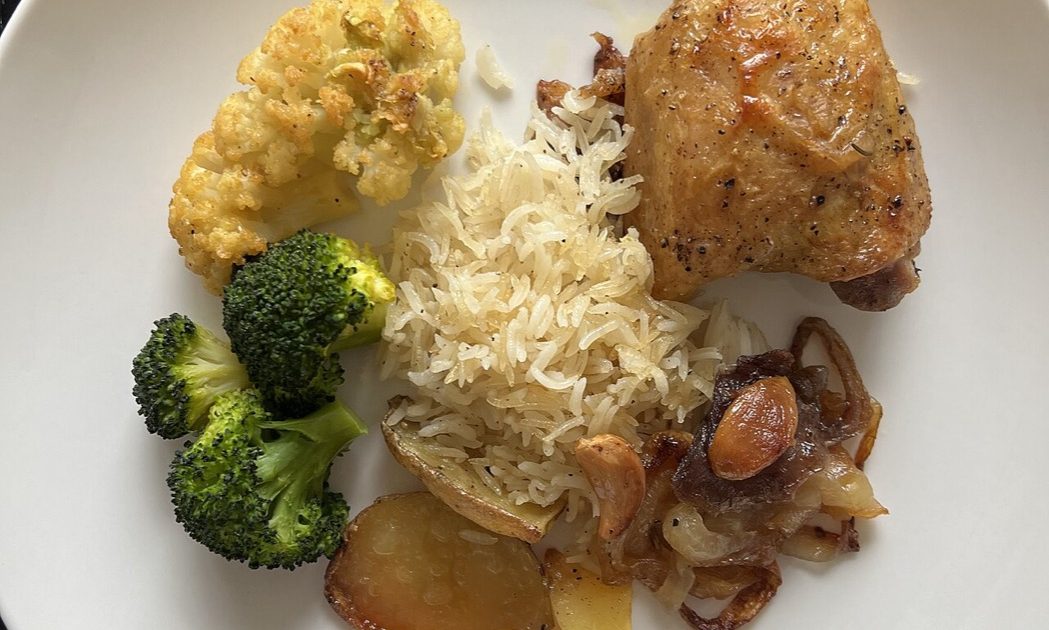
If you could only change one thing about how you eat to lose weight, eating more protein would be the highest-impact choice. It’s the closest thing nutrition has to a cheat code.
Protein keeps you full, protects your muscle while you lose fat, and even burns a few extra calories during digestion. Here’s why it works and how much you actually need.
Protein keeps you full
Protein is the most satiating of the three macronutrients — gram for gram, it does more to quiet hunger than carbs or fat. When your meals are built around protein, you naturally eat less without feeling deprived, which makes a calorie deficit almost effortless.
This is why a protein-rich breakfast often beats a carb-heavy one: it blunts hunger and cravings for hours.
It protects your muscle
When you lose weight, you want to lose fat — not muscle. Eating enough protein (alongside some resistance training) signals your body to hold onto lean muscle while it sheds fat. That keeps your metabolism higher and leaves you looking toned rather than ‘skinny-fat.’
This matters even more on GLP-1 medication, where appetite drops sharply — hitting your protein target protects muscle during rapid loss.
How much protein do you need?
A common, evidence-based target for weight loss is roughly 0.7–1 gram of protein per pound of your goal body weight. Most people fall well short of this. Spreading it across meals — a solid dose at each — works better than one big hit.
Easy high-protein staples:
- Eggs, Greek yogurt, and cottage cheese
- Chicken breast, turkey, lean beef, and fish
- Tofu, tempeh, lentils, and beans
- Protein powder for a convenient top-up
Building protein into every meal
Anchor each meal with a protein source first, then add vegetables and a sensible portion of carbs or fat. This simple habit crowds out empty calories and keeps you satisfied.
Snacks are a great protein opportunity too: Greek yogurt, a hard-boiled egg, edamame, or a protein shake beat chips or crackers for keeping hunger in check.
A few cautions
More protein is helpful, but you don’t need extreme amounts, and very high intakes offer diminishing returns. If you have kidney disease, talk to your doctor about the right level for you. And remember protein is one piece — vegetables, fiber, and overall calories still matter.
Frequently asked questions
How much protein should I eat to lose weight?
A practical target is around 0.7–1 gram per pound of your goal body weight, spread across meals. Most people benefit from eating more than they currently do.
Does protein really help you eat less?
Yes — protein is the most filling macronutrient, so protein-rich meals reduce hunger and cravings, making a calorie deficit easier to maintain.
Is too much protein dangerous?
For healthy people, higher protein intakes are generally safe. Those with kidney disease should get personalized guidance from their doctor.
The takeaway
Protein is the single most useful lever in a weight-loss diet: it keeps you full, protects your muscle, and makes a calorie deficit sustainable. Anchor every meal and snack with a protein source, aim for roughly 0.7–1g per pound of goal weight, and let the rest fall into place.
Related reading
Affiliate & medical disclosure: This review is independent and for information only, not medical advice. Some links may be affiliate links; we may earn a commission at no cost to you, which never affects our score. Consult a licensed provider before starting any product.