Non-Dairy Milk Compared: Almond, Oat, Soy, and Pea Protein Nutrition
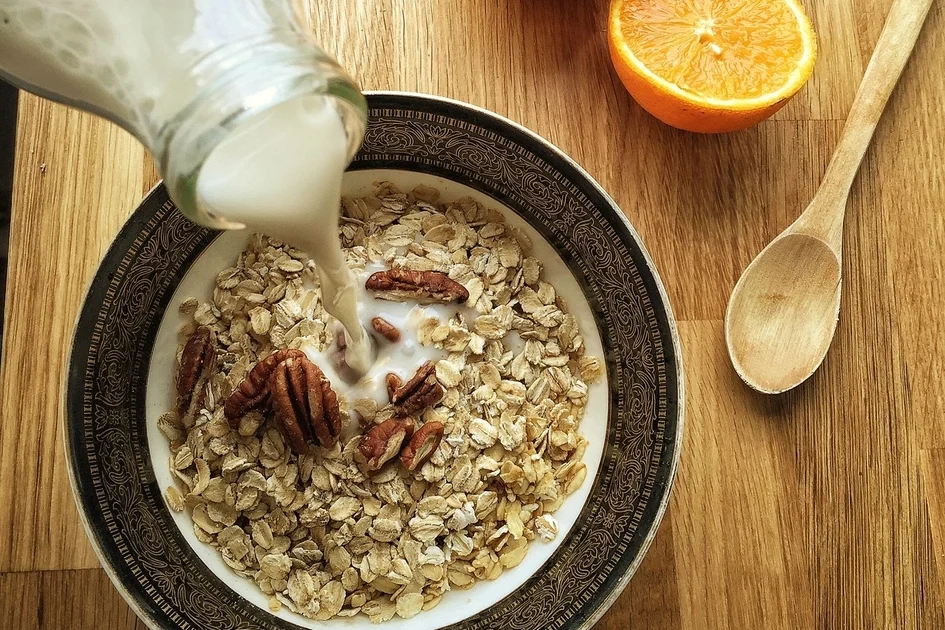
The plant-based milk aisle has grown so large that choosing one can feel like a research project. Almond, oat, soy, and pea protein milks all get marketed as healthy swaps for dairy, but a common mistake is assuming they’re nutritionally interchangeable just because they all pour like milk. In reality, their protein, sugar, and micronutrient profiles vary substantially.
Understanding these differences matters most for people relying on plant milk as a primary calcium or protein source, such as those following a vegan diet or managing a dairy allergy. The right choice depends heavily on what you’re actually using the milk for — coffee, cereal, smoothies, or as a genuine nutritional replacement for cow’s milk.
Protein: The Biggest Differentiator
Protein content is where these milks diverge the most dramatically. Soy milk is the closest match to dairy milk’s protein content, typically delivering around 7-8 grams per cup, similar to the roughly 8 grams found in cow’s milk. Pea protein milk can match or even exceed that, often providing 8 grams per cup as well, since it’s specifically formulated around isolated pea protein.
Almond milk and oat milk, by contrast, are considerably lower in protein. Standard almond milk often contains just 1 gram per cup, while oat milk typically ranges from 2-4 grams, depending on the brand and formulation. For anyone using plant milk to help meet general protein targets — commonly cited as roughly 1.2-2.0 g per kg of body weight for active adults — soy or pea milk will contribute meaningfully more than almond or oat varieties.
- Soy milk: ~7-8g protein per cup
- Pea protein milk: ~8g protein per cup
- Oat milk: ~2-4g protein per cup
- Almond milk: ~1g protein per cup
Sugar Content and Added Sweeteners
Unsweetened versions of all four milks generally contain minimal naturally occurring sugar. However, many people default to the “original” or flavored versions on store shelves, which often contain added sugar — sometimes 6-8 grams or more per cup.
The American Heart Association advises limiting added sugar to about 25 grams per day for women and 36 grams per day for men, meaning a single sweetened plant-milk serving in your morning coffee or cereal can represent a meaningful chunk of that daily allowance before you’ve eaten anything else. Choosing unsweetened varieties is one of the simplest ways to control this, regardless of which base you prefer.
Calcium, Vitamin D, and Fortification
Most commercial plant milks are fortified to match or approach dairy milk’s calcium content, typically around 300-450 mg per cup, along with added vitamin D. This fortification is important because the naturally occurring calcium in almonds, oats, soy, and peas is far lower than what’s added during processing.
It’s worth checking labels specifically, since fortification levels vary by brand and some minimally processed or “barista” style versions contain less added calcium than standard retail cartons. Shaking the carton before pouring also matters, since fortified minerals can settle at the bottom over time.
Environmental and Allergy Considerations
Beyond nutrition, practical factors often drive the final decision. Almond milk requires substantial water resources to produce almonds, a consideration some environmentally conscious consumers weigh against oat milk’s generally lower water footprint. Soy remains one of the top allergens tracked by major food safety guidance, making it unsuitable for those with soy allergies, while tree nut allergies rule out almond milk specifically.
- Soy allergy: avoid soy milk, consider oat, pea, or a fortified oat-pea blend
- Tree nut allergy: avoid almond milk, most other plant milks are safe
- Gluten sensitivity: check that oat milk is certified gluten-free, since cross-contamination during oat processing is common
Taste and Culinary Performance
Oat milk has become popular in coffee shops largely because it froths well and has a naturally creamy texture that mimics dairy milk’s mouthfeel more closely than almond milk. Almond milk tends to be thinner and can curdle in acidic coffee or tea if not specifically formulated as a “barista” blend. Soy milk froths reasonably well and has a more neutral-to-nutty flavor, while pea protein milk sits closer to soy in texture but can have a slightly more distinct flavor that some people notice more in plain drinking applications.
For baking and cooking, soy and pea milk’s higher protein content can behave more like dairy milk in recipes that rely on protein for structure, such as custards or certain baked goods.
How to Choose: A Practical Decision Guide
Rather than searching for a single “best” option, match the milk to your actual use case and nutritional priorities.
- If protein matters most (for example, you’re relying on plant milk as part of a higher-protein diet), choose soy or pea protein milk over almond or oat.
- If you’re mainly using it in coffee and want a creamy, froth-friendly texture, oat milk or a barista-blend almond milk tend to perform best.
- If you have a soy or tree nut allergy, let that restriction guide your choice first, then optimize for taste and fortification within what remains safe for you.
- Always check the nutrition label for added sugar and calcium fortification, since these vary significantly between brands even within the same milk type.
- If you drink plant milk daily as a primary beverage, rotate between fortified options or pair with other calcium sources (leafy greens, tofu set with calcium, fortified foods) to avoid relying on a single source.
Individual nutritional needs vary, and anyone with specific dietary restrictions or medical conditions affecting nutrient absorption should discuss plant milk choices with a registered dietitian or healthcare provider.
Is oat milk healthier than almond milk?
“Healthier” depends on your goal. Oat milk generally has more protein and fiber, while almond milk is typically lower in calories. Neither is definitively superior; the better choice depends on what nutrients you’re prioritizing.
Can plant milk fully replace dairy milk nutritionally?
Fortified plant milks can approximate dairy milk’s calcium and vitamin D content, but protein varies widely by type. Soy and pea milk come closest to matching dairy’s overall nutrition profile; almond and oat milk generally need to be paired with other protein sources.
Why does my oat milk say it’s not gluten-free?
Oats are often processed in facilities that also handle wheat, barley, or rye, leading to cross-contamination. If gluten is a concern, look specifically for oat milk labeled “certified gluten-free.”
Do plant milks contain the same vitamin B12 as dairy milk?
Not naturally — B12 is primarily found in animal products. Many fortified plant milks add B12 during processing, so checking the label is important if you rely on plant milk as a B12 source, particularly on a vegan diet.
Related reading
Affiliate & medical disclosure: This review is independent and for information only, not medical advice. Some links may be affiliate links; we may earn a commission at no cost to you, which never affects our score. Consult a licensed provider before starting any product.