Selenium: The Overlooked Antioxidant Mineral Your Diet Might Be Missing
Ask most people to name important minerals in their diet and you’ll hear calcium, iron, maybe magnesium. Selenium rarely makes the list, even though it’s essential for thyroid function, immune health, and antioxidant defense. It’s a common mistake to assume that if a nutrient isn’t widely discussed, it isn’t important — selenium is a clear exception.
Unlike some nutrients that are genuinely hard to get enough of, selenium deficiency is uncommon in most well-nourished populations, but the mineral’s role in the body is significant enough that understanding it can help you make more informed choices about food variety, particularly if you eat a restricted diet or live in a region with selenium-poor soil.
What Selenium Actually Does in the Body
Selenium is a trace mineral incorporated into selenoproteins, a family of enzymes involved in antioxidant defense, DNA synthesis, and thyroid hormone metabolism. The thyroid gland contains more selenium per gram of tissue than any other organ, and selenium-dependent enzymes are required to convert thyroid hormone into its active form.
Selenium also works alongside vitamin E as part of the body’s antioxidant network, helping neutralize free radicals that can damage cells over time. Because of this, selenium status has been studied in relation to immune function, with research consistently showing that adequate selenium intake supports normal immune response, while deficiency is associated with impaired immunity.
How Much Selenium You Actually Need
The recommended dietary allowance for most adults is 55 micrograms per day, according to general nutrition guidance used across the US and similar frameworks internationally, with slightly higher amounts recommended during pregnancy and breastfeeding. Unlike many minerals, the gap between an adequate intake and an excessive one is relatively narrow for selenium, which makes food sources generally preferable to high-dose supplements unless a deficiency has been specifically identified.
- The tolerable upper intake level for adults is generally set around 400 micrograms per day
- Chronic excessive intake (selenosis) can cause hair loss, nail brittleness, gastrointestinal upset, and nerve damage in severe cases
- Most people eating a varied diet meet their selenium needs without supplementation
- Soil selenium content varies significantly by region, which affects the selenium content of crops grown there
Best Food Sources of Selenium
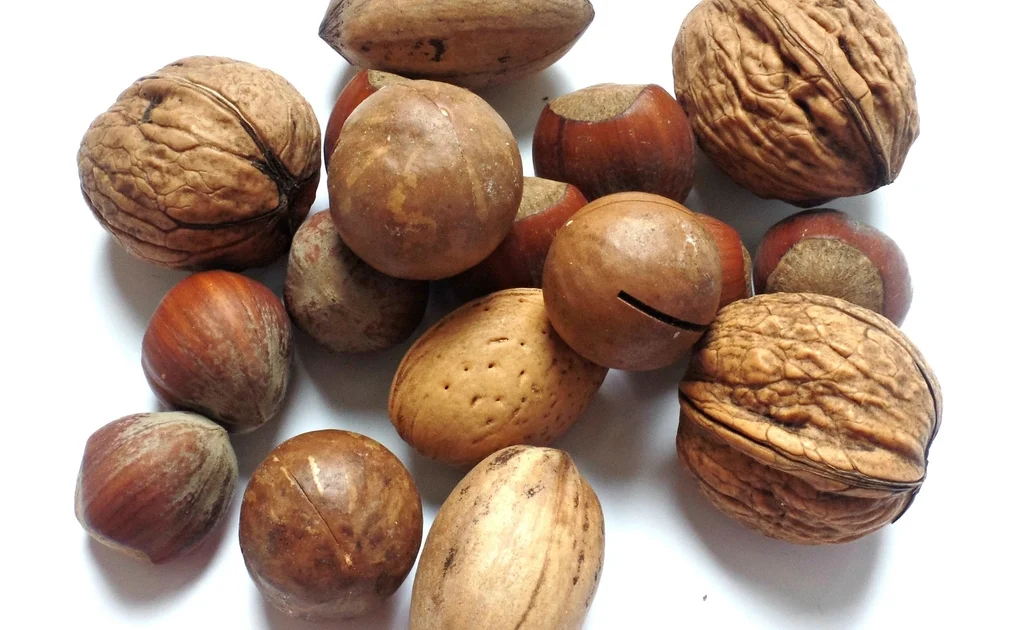
Brazil nuts are famously the most concentrated food source of selenium by a wide margin — a single Brazil nut can contain anywhere from about 70 to over 90 micrograms, meaning just one or two nuts can meet or exceed the daily recommendation. Because of this concentration, Brazil nuts are one of the few whole foods where overconsumption is a realistic concern.
- Brazil nuts (1-2 nuts can meet or exceed daily needs)
- Seafood, including tuna, sardines, and shrimp
- Organ meats and poultry
- Eggs
- Whole grains and sunflower seeds, though content varies with soil selenium levels
Who Might Be at Risk of Low Selenium
Selenium deficiency is rare in the US and other countries with varied food supplies, but certain groups are more at risk: people living in regions with selenium-depleted soil (parts of China and areas of Europe are commonly cited examples), people on very restrictive diets, people with digestive conditions that impair nutrient absorption (such as Crohn’s disease), and those on long-term dialysis. The Academy of Nutrition and Dietetics recommends that people in these higher-risk groups discuss nutrient status, including selenium, with a registered dietitian or physician rather than self-supplementing.
Selenium Compared to Other Antioxidant Nutrients
Selenium often gets grouped with vitamin C, vitamin E, and beta-carotene as an “antioxidant nutrient,” but its mechanism is different — rather than directly neutralizing free radicals itself, selenium is a required building block for antioxidant enzymes like glutathione peroxidase, which then carry out that neutralizing work. This is one reason selenium deficiency, even when mild, can blunt the effectiveness of the body’s broader antioxidant system regardless of how much vitamin C or E someone consumes.
This also explains why selenium and vitamin E are frequently discussed together in nutrition research — the two nutrients appear to support overlapping antioxidant pathways, and low status in one may partly offset adequate intake of the other. Eating a varied diet with multiple antioxidant-supporting nutrients, rather than focusing on any single one, remains the more evidence-backed approach.
How to Apply This: Getting Enough Without Overdoing It
For most people, meeting selenium needs doesn’t require tracking or supplements — it comes down to eating a varied diet that includes a few selenium-rich foods regularly.
- Eat 1-2 Brazil nuts a few times a week rather than a handful daily, given how concentrated their selenium content is
- Include seafood or poultry a couple of times a week if your diet allows
- If you eat a fully plant-based diet, whole grains and seeds provide some selenium, though amounts vary with soil content — a varied diet and, if needed, a conversation with a dietitian can help confirm adequate intake
- Avoid high-dose selenium supplements unless recommended by a healthcare provider after testing, since the safety margin is narrower than for many other minerals
Selenium and Thyroid Health: What’s Actually Established
Selenium’s role in thyroid hormone metabolism has led to interest in selenium supplementation for thyroid conditions, particularly autoimmune thyroid disease. Some research suggests potential benefits in specific contexts, but this is an area where self-supplementing without medical guidance isn’t advisable — thyroid conditions require individualized management, and more isn’t automatically better when it comes to this mineral. Anyone with a diagnosed thyroid condition should discuss selenium and other nutrient considerations directly with their healthcare provider.
Can I get too much selenium from food alone?
It’s possible if you eat many Brazil nuts regularly, since they’re so concentrated, but it’s difficult to reach excessive levels from a normal varied diet without nuts or supplements pushing intake high.
Do I need a selenium supplement?
Most people don’t. Supplementation is generally more relevant for specific deficiency risk groups and should ideally be guided by testing and a healthcare provider rather than taken preventively.
What are the signs of selenium deficiency?
Signs can include fatigue, weakened immune function, and thyroid abnormalities, though deficiency is uncommon in people eating a varied diet in most parts of the world.
Is selenium the same as sulfur or silicon?
No — these are entirely different elements. Selenium is a distinct trace mineral with its own specific biological roles, unrelated to sulfur or silicon despite the similar-sounding names.
Related reading
Affiliate & medical disclosure: This review is independent and for information only, not medical advice. Some links may be affiliate links; we may earn a commission at no cost to you, which never affects our score. Consult a licensed provider before starting any product.