Aspen Green vs Non-Organic CBD: What the USDA Seal Is Actually Worth
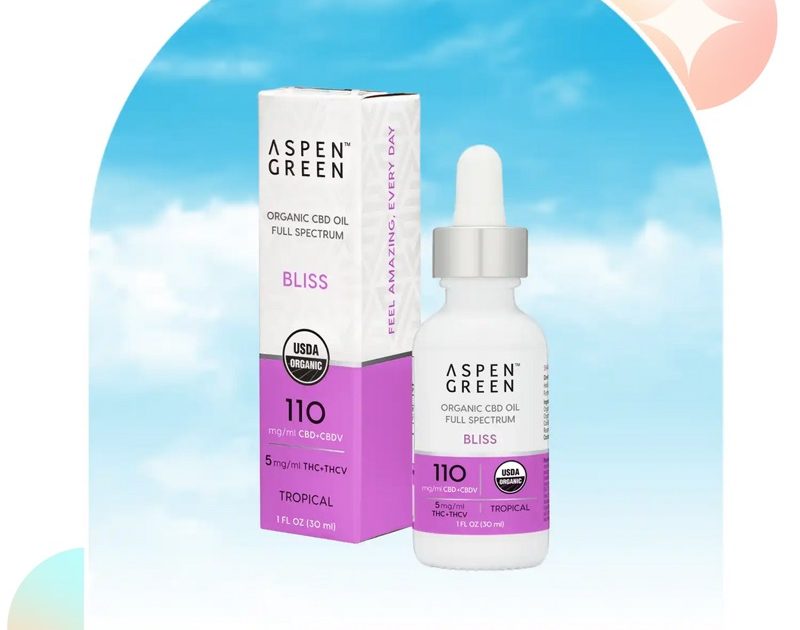
The USDA Organic seal appears on roughly every other product in a grocery store — and on almost nothing in the CBD aisle. Aspen Green is one of the rare hemp brands to have earned it, and it charges accordingly: $59.99 to $89.99 for gummies, $139.99 for its flagship 110mg/mL Bliss oil, $89.99 for a 1,000mg cooling cream. Plenty of non-organic competitors will sell you a similar-looking milligram count for less.
So this comparison asks the only question that matters at checkout: what does the organic premium actually buy, in verifiable terms — and for which buyers is it worth real money? We will price the seal, weigh it against what standard third-party testing already covers, and finish with scenario verdicts, because the honest answer is not the same for everyone.
The Contenders: A Seal vs a Discount
On one side, Aspen Green: USDA Certified Organic full-spectrum CBD and THC products, physician formulated, third-party tested, with functional add-ins like ashwagandha, magnesium and L-theanine, and press coverage from Healthline and Forbes Health. On the other side, the non-organic mainstream: competent, often US Hemp Authority-certified brands whose hemp is conventionally grown, and whose comparable products typically undercut Aspen Green by meaningful margins.
The key fact framing the matchup: both sides publish certificates of analysis. Third-party COAs verify what ended up in the bottle — cannabinoid content, and screens for pesticides, heavy metals and solvents. The USDA seal certifies something different: how the plant was grown and handled, under a federal program with annual on-site inspections, approved-substance lists and supply-chain audits. One is a snapshot of the finished product; the other is surveillance of the entire process.
Round 1: What the Seal Verifies That a COA Does Not
Hemp is a bioaccumulator — the plant is so good at pulling substances out of soil that it is literally used to clean contaminated land. That makes cultivation practices matter more for hemp than for most crops, and it is the strongest scientific argument for organic sourcing in this category specifically. A COA tests a sample against detection thresholds after the fact; USDA certification prohibits synthetic pesticides and fertilizers from ever entering the field, verified by inspection rather than by spot-check.
There is also an accountability difference. COA programs are voluntary and brand-administered — a brand chooses its lab and decides what to publish. The National Organic Program is federal law: misusing the seal carries civil penalties north of $10,000 per violation, which is why so few CBD companies print it casually. When Aspen Green puts the seal on a jar, a federal paper trail stands behind it.
Round verdict: clear win for the seal on verification depth. This is the substance behind the premium — the question of whether you need that depth comes later.
Round 2: Pricing the Premium
Here is the matchup in dollars, using Aspen Green’s list prices against what comparable non-organic products typically run in the mainstream market:
| Product class | Aspen Green | Typical non-organic equivalent | Approx. premium |
|---|---|---|---|
| Entry gummies (25mg CBD / 2.5mg THC) | Calm — $59.99 | $35–$50 | ~20–70% |
| High-potency gummies (100mg+ per serving) | Bliss — $89.99 | $60–$80 | ~15–50% |
| High-strength oil (110mg/mL) | Bliss oil — $139.99 | $90–$120 | ~20–55% |
| 1,000mg topical | Relief Cooling Cream — $89.99 | $50–$70 | ~30–80% |
| Trial size | Sample packs — $11.99 | Rarely offered | Aspen Green advantage |
Two things soften the sticker shock. First, Aspen Green’s potencies run high — 100mg CBD plus minor cannabinoids per Bliss serving is not a typical market serving, so naive bottle-price comparisons overstate the gap; per milligram, the premium shrinks considerably. Second, the $11.99 sample packs are a genuinely unusual escape hatch: you can audition a premium product for the price of a sandwich before committing to a $90 jar, which is more consumer-friendly than most discount brands manage.
Round verdict: the organic premium is real — budget roughly 20–50% over mainstream equivalents once potency is normalized. The sample packs make testing that premium nearly free, which partially defuses it.
Round 3: Where the Premium Does Not Help
Honesty round. The USDA seal does not make CBD more effective, and it does not change the regulatory reality that the FDA has not evaluated CBD products for treating any condition. It also does not change the drug-test math: Aspen Green’s products are full spectrum with real THC — legal under the 2018 Farm Bill’s 0.3% delta-9 limit, but fully capable of producing a positive urine screen, and the THC drinks are strictly 21+. An organic positive drug test is still a positive drug test.
Nor is the seal the only quality signal that matters. A well-run non-organic brand with rigorous published COAs is not selling contaminated products — modern testing catches the failures that matter most. What the seal adds is preventive assurance and federal accountability on top of that testing, not a rescue from an otherwise dangerous market.
Round verdict: the non-organic mainstream takes this round. If your only criterion is “clean enough, cheap as possible,” strong COAs already get you most of the way.
Which Side Should You Pick?
Pick Aspen Green if: you use CBD daily — cumulative exposure is where cultivation practices logically matter most; you already buy organic food for the same reasons; you want high-potency full-spectrum formulas with functional add-ins; or you simply want the category’s strongest verifiable quality claim and can absorb the premium.
Pick a quality non-organic brand if: you are an occasional user, you are still experimenting with whether CBD works for you at all, or your budget makes a 20–50% premium decisive. Insist on published, current COAs — that is the non-negotiable floor.
Either way, start small: Aspen Green’s $11.99 sample packs mean you never have to price the premium blind. Try before you commit; the math only matters for products you will actually reorder.
FAQs
Is USDA Organic certification actually rare in CBD? Yes. Certifying hemp requires organic cultivation, certified handling at every processing step, and annual inspections — a bar few CBD supply chains clear, which is why the seal is scarce in this aisle while common in groceries.
Does organic mean THC-free? No — the opposite here. Aspen Green is a full-spectrum brand whose products contain real THC within the federal 0.3% delta-9 limit. Organic describes farming, not cannabinoid content.
Will these products pass a drug test? Assume no. Full-spectrum THC accumulates with regular use and can trigger urine screens. Tested users should look at THC-free product classes, which Aspen Green deliberately does not focus on.
Is the premium ever the cheaper option? Occasionally, yes — because Aspen Green’s servings are unusually potent, heavy users may find its per-milligram cost competitive with mid-market brands despite the higher jar price.
Final Verdict
The USDA seal is worth exactly what verification is worth to you. It is not marketing garnish — it is a federally enforced, inspection-based standard that addresses hemp’s specific weakness as a soil-scrubbing crop, and Aspen Green is one of very few brands that has done the work to earn it. For daily users and organic-first households, a 20–50% premium for process-level assurance, physician-formulated potency and Healthline-vetted credibility is a defensible spend, and the $11.99 sample packs remove any excuse for guessing wrong. For casual experimenters, a well-tested conventional brand remains the sensible starting line. Know which buyer you are, and the seal prices itself.
Related reading
Affiliate & medical disclosure: This review is independent and for information only, not medical advice. Some links may be affiliate links; we may earn a commission at no cost to you, which never affects our score. Consult a licensed provider before starting any product.