Dark Chocolate and Cacao Flavanols: What the Evidence Says About Heart Health
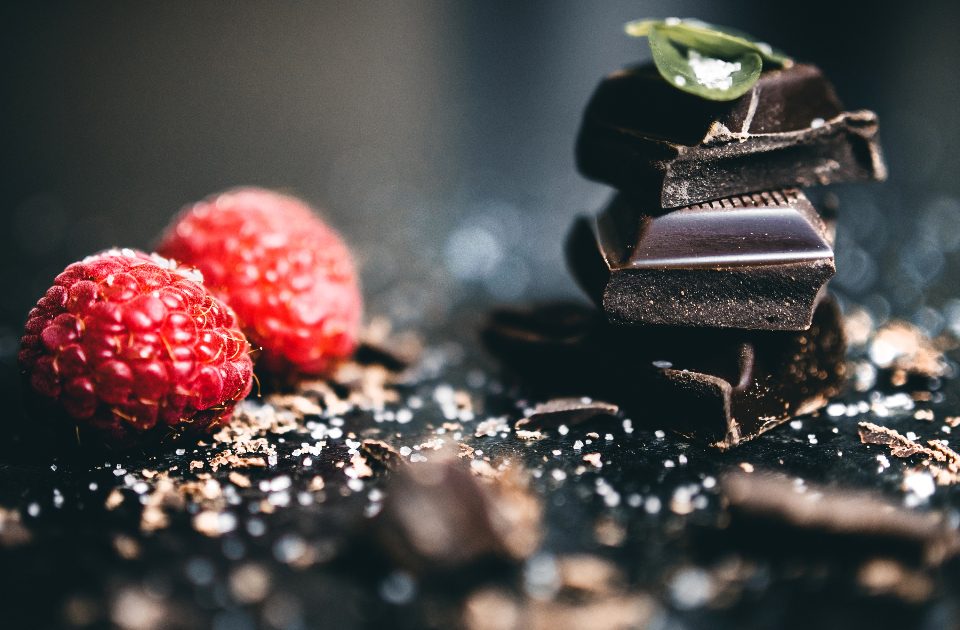
Dark chocolate has one of the strangest reputations in nutrition: it’s simultaneously marketed as a “health food” and dismissed as candy in disguise. The truth sits somewhere in between, and it depends heavily on which chocolate you’re actually eating, because the compounds responsible for any real benefit vary enormously between a quality dark chocolate bar and a mass-market milk chocolate one.
This guide looks at what cacao flavanols actually are, what the evidence realistically supports for heart health, and how to choose and use dark chocolate if you want to capture whatever benefit it offers without overdoing the sugar and calories.
What Are Cacao Flavanols?
Flavanols are a subgroup of polyphenols, plant compounds with antioxidant properties, found in unusually high concentrations in raw cacao. During chocolate processing, however, much of the flavanol content is lost — fermentation, roasting, and alkalization (a process called “Dutching” that mellows flavor and darkens color) can each strip away a significant share of the original flavanol content depending on how aggressively they’re applied.
This is why cacao percentage on a label isn’t a perfectly reliable guide to flavanol content. A high-percentage dark chocolate that’s been heavily processed can contain fewer active flavanols than a lower-percentage bar processed more gently. Manufacturers rarely disclose flavanol content directly, which makes this genuinely hard for consumers to assess from packaging alone.
What the Evidence Says About Heart Health
Research consistently shows that cacao flavanols can modestly improve several cardiovascular markers, including flow-mediated dilation (a measure of how well blood vessels relax and expand) and, in some studies, modest reductions in blood pressure. The proposed mechanism involves flavanols supporting nitric oxide production, which helps blood vessels function more flexibly.
The AHA has acknowledged this body of research while cautioning that most supportive studies used concentrated cacao flavanol extracts or very high-flavanol chocolate, not the typical candy-aisle dark chocolate bar most people buy. Meta-analyses suggest the effect size in real-world chocolate consumption is modest at best, and dark chocolate should be viewed as a possible small contributor to heart health within an already healthy diet, not a standalone intervention.
The Sugar and Calorie Trade-Off
Here’s the tension at the center of the dark chocolate conversation: the compounds linked to potential benefits come from cacao itself, but most dark chocolate bars also contain meaningful amounts of added sugar and fat, which is where the “health food” framing breaks down if consumed in large amounts. The AHA advises limiting added sugar to roughly 25 grams per day for women and 36 grams for men, and a couple of squares of dark chocolate can use up a meaningful share of that allowance depending on the brand.
- Higher cacao percentage (70% or above) generally means less added sugar per serving
- Portion matters: a reasonable serving is about 1-1.5 ounces, not a full bar
- Milk chocolate contains meaningfully less cacao and correspondingly fewer flavanols per serving
How Dark Chocolate Compares to Other Flavanol Sources
Cacao isn’t the only source of dietary flavanols. Tea, berries, apples, and red wine also contain meaningful amounts, and for people who don’t enjoy dark chocolate or want to avoid the added sugar and calories that often come with it, these alternatives can provide a similar category of beneficial plant compounds without the trade-offs. A varied diet rich in colorful plant foods will generally supply a broader range of polyphenols than relying on chocolate as a primary source.
That said, there’s nothing wrong with enjoying dark chocolate specifically for its own sake, in moderation, as part of an already balanced diet rather than as a supplement substitute.
How to Apply This: Choosing and Enjoying Dark Chocolate Well
If you want to include dark chocolate as a small, evidence-informed part of your diet, these practical steps help:
- Choose 70% cacao or higher as a general guide to lower added sugar content, though check the nutrition label directly rather than relying on percentage alone
- Check the ingredient list — shorter lists with cacao, cocoa butter, and minimal added sugar tend to indicate less processing
- Stick to a modest serving, around 1-1.5 ounces (roughly one to two standard squares), a few times per week rather than daily large amounts
- Pair it thoughtfully — enjoying a small piece after a balanced meal is more sustainable than using it as a stress-relief habit throughout the day
Who Should Be Cautious With Dark Chocolate
Dark chocolate contains caffeine and related stimulant compounds, which can affect sleep if eaten late in the day, and it’s calorie-dense enough that it’s worth accounting for within an overall eating pattern for anyone managing weight or blood sugar. People with migraines sometimes report chocolate as a personal trigger, though the evidence on this is mixed and highly individual. As always, anyone with specific health conditions, including diabetes or cardiovascular disease, should discuss dietary changes with a healthcare provider rather than relying on chocolate as a treatment.
Reading Labels Beyond the Cacao Percentage
Since cacao percentage alone doesn’t guarantee flavanol content, it helps to look at the full nutrition panel rather than the front-of-package number. Compare grams of added sugar per serving across a few brands — you’ll often find meaningful differences even among bars with identical cacao percentages. Also check serving size definitions carefully, since some brands list nutrition per small square while others use a larger portion, which can make sugar and calorie comparisons misleading at a glance.
Terms like “single-origin,” “bean-to-bar,” or “minimally processed” don’t have strict regulatory definitions in most markets, so they’re worth treating as marketing language rather than a guarantee of higher flavanol retention, even though gentler processing methods genuinely can preserve more of these compounds in some cases.
Does all dark chocolate have the same health benefits?
No. Flavanol content varies significantly based on cacao source and processing methods, which aren’t disclosed on standard labels, so benefits can vary considerably between brands even at similar cacao percentages.
Is dark chocolate better for you than milk chocolate?
Generally yes, since it typically contains more cacao, more flavanols, and less added sugar per serving, though “better” still means “in moderation” rather than a health food to eat freely.
How much dark chocolate should I eat per day for heart health?
There’s no official target, but most research reflects that meaningful benefit requires far more concentrated flavanol intake than a typical daily square or two provides. A modest daily or near-daily serving of 70%+ dark chocolate, within your overall sugar allowance, is a reasonable, low-risk approach.
Can chocolate replace fruits and vegetables as a source of antioxidants?
No. Fruits and vegetables offer a broader range of beneficial compounds along with fiber, vitamins, and minerals that chocolate doesn’t provide. Dark chocolate can complement a healthy diet but shouldn’t replace core sources of plant nutrients.
Related reading
Affiliate & medical disclosure: This review is independent and for information only, not medical advice. Some links may be affiliate links; we may earn a commission at no cost to you, which never affects our score. Consult a licensed provider before starting any product.