Wearable Fitness Trackers: How Accurate Are Heart Rate and Calorie Estimates?
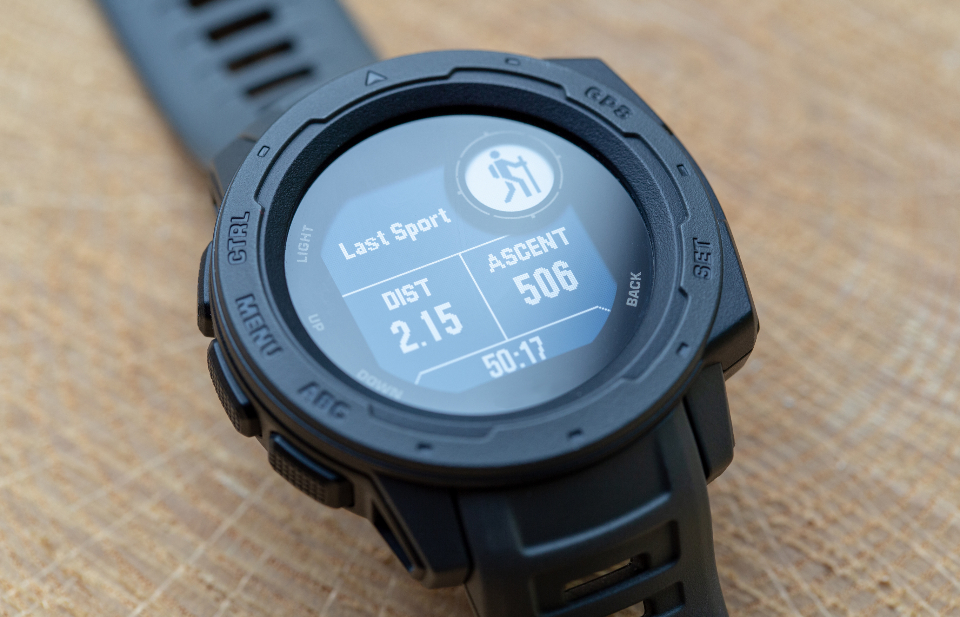
A wearable fitness tracker tells you that you burned 487 calories on your run, and it feels like solid, scientific data — down to the last digit. That precision is misleading. The common mistake is treating wrist-worn calorie and heart rate numbers as exact measurements rather than estimates, some of which can be off by a meaningful margin depending on the activity and the metric.
This article breaks down what wearables actually measure, where they tend to be accurate, where they fall short, and how to use the data usefully despite its imperfections.
How Wearables Actually Measure Heart Rate and Activity
Most consumer wearables estimate heart rate using a technology called photoplethysmography (PPG), which shines light into the skin and measures changes in blood volume as it flows through capillaries with each heartbeat. This is different from the electrical-signal method used by chest-strap heart rate monitors or clinical ECG devices.
Calorie estimates are calculated indirectly, combining heart rate data with your age, sex, weight, and height in a formula, rather than directly measuring energy expenditure. This is an important distinction: the device isn’t measuring calories burned, it’s estimating them from other data points using a model.
- PPG sensors generally perform well during steady, low-motion activities like walking or resting.
- Chest-strap monitors, which read the heart’s electrical activity directly, are generally considered more accurate than wrist-based optical sensors, especially during high-intensity or high-motion activity.
- Calorie estimates from any consumer wearable are inherently modeled figures, not directly measured values, regardless of how precise the displayed number appears.
What the Evidence Shows About Accuracy
Research comparing consumer wearables to laboratory-grade equipment has found a fairly consistent pattern: heart rate tracking tends to be reasonably accurate during steady-state activities like walking or running, but accuracy tends to decline during activities with a lot of wrist movement, such as weightlifting, boxing, or interval training, where motion can interfere with the optical sensor’s readings.
Calorie estimates show more consistent discrepancies. Multiple independent studies evaluating popular consumer wearables have found that calorie burn estimates can vary meaningfully from measured energy expenditure, sometimes substantially over- or under-estimating actual calories burned, with the degree of error varying by device, activity type, and individual factors like body composition.
- Research consistently shows wrist-based optical heart rate sensors are less reliable during high-intensity interval or resistance training compared to steady cardio.
- Calorie-burn accuracy has been found in independent testing to vary considerably between different brands and models, so accuracy shouldn’t be assumed to be consistent across all wearables.
- Individual factors — including skin tone, wrist fit, tattoos over the sensor area, and body composition — can all influence the accuracy of optical sensor readings.
Where Wearables Are Genuinely Useful
Despite the accuracy limitations, wearables aren’t useless — they’re just better suited to some purposes than others.
- Tracking trends over time: even if the absolute numbers aren’t perfectly accurate, a consistent device tends to be internally consistent, making week-to-week or month-to-month trends more meaningful than any single day’s number.
- Step counting: step counts are generally one of the more reliable metrics wearables provide, useful for tracking overall movement relative to general activity guidelines.
- Resting heart rate tracking: measured during stillness, this tends to be one of the more accurate metrics wearables offer, and can be a useful indicator of recovery and general cardiovascular fitness trends.
- Sleep duration tracking: generally reasonable for estimating total sleep time, though sleep stage breakdowns (light, deep, REM) are less reliable than duration alone.
- Motivation and awareness: for many people, simply having visible, ongoing feedback increases physical activity, which has real value independent of measurement precision.
How to Apply This: Getting Useful Data From Your Wearable
You don’t need to abandon your wearable — you just need realistic expectations about what its numbers mean.
- Treat calorie estimates as rough guides, not precise figures — use them to compare your own effort over time rather than for exact calorie-counting purposes.
- Use a chest strap for high-intensity or resistance training if you specifically need more accurate heart rate data during those activities.
- Wear the device snugly and correctly, since a loose fit is one of the most common, easily fixable causes of poor optical sensor accuracy.
- Focus on trends, not daily precision — a week-over-week increase in average step count or a declining resting heart rate trend is more informative than any single day’s numbers.
- Don’t let calorie estimates dictate food intake precisely — combining an imprecise calorie-burned estimate with imprecise calorie-intake tracking can compound errors in either direction.
Common Mistakes to Avoid
Most wearable-related frustration comes from expecting more precision than the technology is currently capable of providing.
- Using calorie-burned estimates to precisely calculate a daily calorie deficit for weight loss.
- Assuming heart rate readings during weightlifting or boxing are as reliable as those during steady walking or running.
- Comparing your numbers directly to a friend’s if you use different device brands, since accuracy and algorithms vary between manufacturers.
- Abandoning a wearable entirely because of accuracy concerns, rather than using it appropriately for the metrics it handles reasonably well, like step counts and trends.
Which is more accurate: a wrist-based tracker or a chest strap?
Chest straps, which measure the heart’s electrical activity directly, are generally considered more accurate than wrist-based optical sensors, particularly during high-motion or high-intensity activity. For steady, low-motion activity, the gap between the two narrows considerably.
Can I trust my tracker’s calorie burn number for weight loss?
Treat it as a rough estimate rather than an exact figure. Because both calorie-burned estimates and calorie-intake tracking carry their own margins of error, using both together for precise weight management can compound inaccuracy — trends and consistency matter more than any single number.
Do fitness trackers work as well for everyone?
Not equally. Factors like skin tone, tattoos over the sensor, wrist fit, and even the specific activity being tracked can all affect accuracy, which is part of why researchers caution against treating any single wearable’s output as a universal standard.
Is it worth buying an expensive fitness tracker for better accuracy?
Higher-end devices sometimes perform better in independent accuracy testing, but price doesn’t guarantee accuracy, and even premium wearables share the same fundamental limitations of optical, indirect measurement. Consider your primary use case — trend tracking, motivation, or specific metrics like resting heart rate — when deciding how much to spend.
Related reading
Affiliate & medical disclosure: This review is independent and for information only, not medical advice. Some links may be affiliate links; we may earn a commission at no cost to you, which never affects our score. Consult a licensed provider before starting any product.