Paddle Sports for Fitness: The Full-Body Cardio Benefits of Kayaking and Paddleboarding
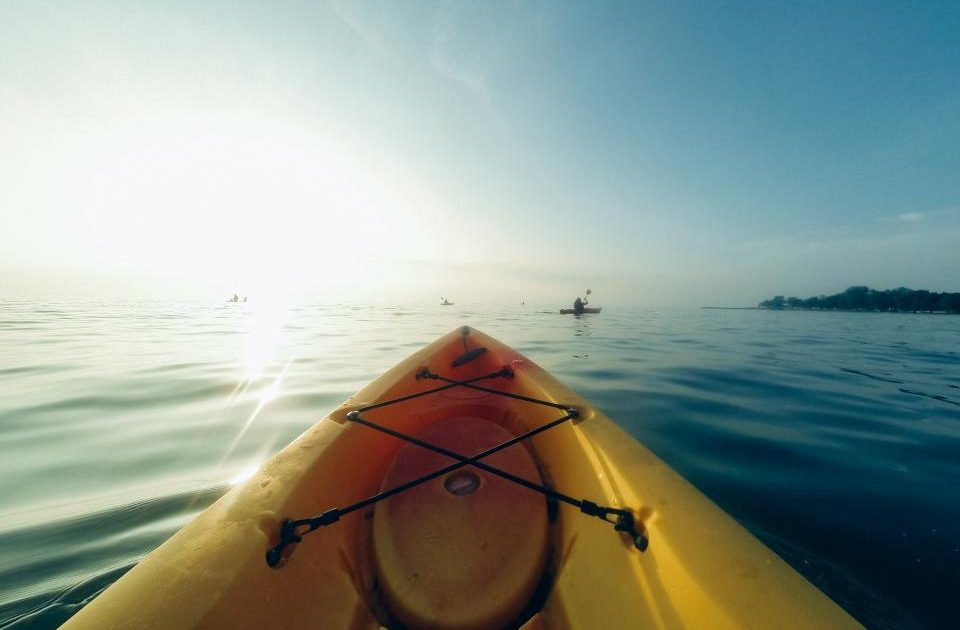
When people plan a cardio routine, kayaking and paddleboarding rarely make the list — running, cycling, and swimming get all the attention. That’s a shame, because paddle sports quietly deliver one of the more balanced full-body workouts available, combining cardiovascular endurance, core strength, and upper-body conditioning in a low-impact package that’s easy on the joints.
This guide covers what makes paddle sports an effective fitness tool, what the evidence says about their benefits, and how to get started safely, whether you’re near a calm lake or planning your first ocean paddle session.
Why Paddle Sports Work the Whole Body
Unlike many cardio activities that primarily engage the lower body, paddling recruits the shoulders, back, arms, and — perhaps most importantly — the core, which stabilizes the torso with every stroke. A proper paddling stroke actually originates from torso rotation rather than arm strength alone, meaning the obliques and deep core muscles work continuously throughout a session to transfer power efficiently from the trunk to the paddle.
This full-body engagement is part of why paddle sports can feel deceptively demanding even at a moderate pace. A 45-minute recreational kayaking or paddleboarding session can burn a comparable number of calories to a similarly paced jog, while placing dramatically less repetitive stress on the knees, hips, and ankles.
Cardiovascular and Endurance Benefits
Sustained paddling at a moderate pace qualifies as moderate-intensity aerobic activity, which counts toward the WHO’s recommendation of at least 150 minutes of moderate activity per week. Faster-paced paddling, sprint intervals, or paddling against wind and current can push effort into the vigorous category, offering a more intense cardiovascular stimulus in less time.
Research consistently shows that regular aerobic activity, including non-traditional forms like paddling, supports heart health, healthy blood pressure, and improved cardiovascular endurance over time. Because paddle sports are enjoyable and scenic for many people, they can also improve long-term exercise adherence — arguably one of the most underrated variables in whether a fitness routine actually sticks.
Balance, Core Strength, and Stability
Paddleboarding in particular demands continuous micro-adjustments in balance, since you’re standing on an unstable surface for the duration of the session. This makes it an effective, low-impact way to train proprioception and core stability — the same qualities that support better posture and reduced fall risk as people age. Kayaking, while seated, still requires significant core engagement to maintain a stable, efficient paddling position, especially in choppier water.
- Paddleboarding: greater balance and stability demand, standing position
- Kayaking: greater upper-body and rotational core demand, seated position
- Both: low-impact on joints, scalable to almost any fitness level
Low-Impact Doesn’t Mean Low-Effort
A common misconception is that low-impact automatically means easy. Paddle sports can be as challenging as you want them to be — racing paddleboards, whitewater kayaking, and long-distance touring all demand serious fitness — while still being accessible to complete beginners at a relaxed pace. This scalability makes paddle sports a rare activity that works for rehabilitation-focused, joint-conscious exercisers and competitive athletes alike.
For people managing joint pain, arthritis, or recovering from certain lower-body injuries, the buoyancy of water removes much of the impact stress associated with land-based cardio, while still providing genuine cardiovascular and strength benefits.
How to Apply This: Getting Started Safely
If you’re new to paddle sports, a sensible progression looks like this:
- Start on calm, flat water — a lake, slow river, or protected bay — rather than open ocean or fast-moving water
- Take a beginner lesson or rental orientation, since proper stroke technique reduces shoulder strain and improves efficiency significantly
- Always wear a properly fitted life jacket, even if you’re a confident swimmer, and check local weather and water conditions before heading out
- Build duration gradually, starting with 20-30 minute sessions and increasing as your shoulders and core adapt to the new demand
- Warm up your shoulders and upper back with dynamic stretches before paddling, since this area is common site of overuse strain for beginners
Common Mistakes and How to Avoid Them
The most frequent beginner mistake is paddling with the arms alone rather than engaging torso rotation, which fatigues the shoulders quickly and increases injury risk over repeated sessions. Another common issue is skipping a proper warm-up, since cold shoulder and back muscles are more susceptible to strain during the repetitive paddling motion. Finally, many beginners underestimate weather and water conditions; wind and current can change quickly and make a return trip far more demanding than the outbound leg, so always paddle with a safety margin and, when possible, a companion.
Mental Health and Outdoor Benefits
Paddle sports also carry the added benefit of time spent outdoors on open water, which research consistently links to lower stress and improved mood compared to indoor exercise settings. Combining moderate physical activity with natural surroundings appears to compound the stress-reducing effect beyond either factor alone, a pattern also seen in research on activities like hiking and forest walking.
For many people, the mental break of being on the water, away from screens and daily distractions, becomes as valuable as the physical training effect. This is part of why paddle sports tend to have better long-term adherence than some gym-based cardio alternatives — enjoyment is a legitimate factor in building a sustainable fitness habit, not just a nice-to-have.
Do I need to be a strong swimmer to try paddle sports?
Basic swimming competence and a properly fitted life jacket are the key safety requirements. You don’t need to be an elite swimmer, but you should be comfortable in water and aware of local conditions before heading out.
Is kayaking or paddleboarding better for weight loss?
Both can contribute to a calorie deficit when combined with an appropriate diet, and calorie burn is fairly similar between the two at a matched intensity. Choose whichever you enjoy more, since consistency matters more than which specific activity you pick.
Can paddle sports help with back pain?
For many people with mild, non-specific back pain, the core-strengthening and low-impact nature of paddling can be beneficial, but anyone with an existing back condition should consult a healthcare provider before starting, since technique and posture matter significantly.
How often should I paddle to see fitness benefits?
Two to three sessions per week of 30-45 minutes, combined with other forms of activity, is a reasonable approach to build meaningful cardiovascular and strength benefits over several weeks to months.
Related reading
Affiliate & medical disclosure: This review is independent and for information only, not medical advice. Some links may be affiliate links; we may earn a commission at no cost to you, which never affects our score. Consult a licensed provider before starting any product.