Barefoot and Minimalist Shoes: What the Evidence Says About Running Form
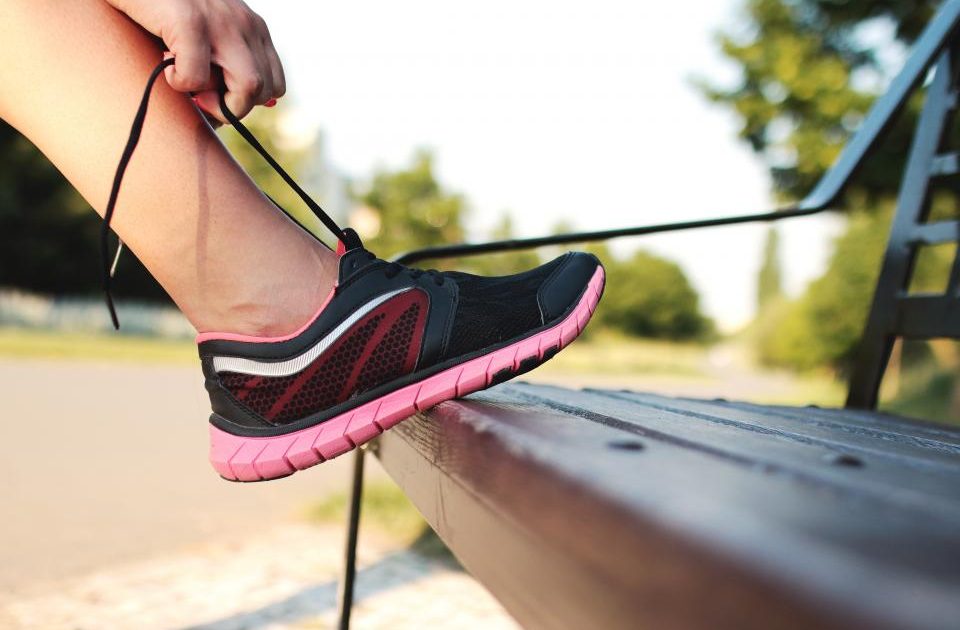
Walk past any running specialty store and you’ll see two very different philosophies on shelves side by side: thick, cushioned “maximalist” trainers promising shock absorption, and thin, flexible “barefoot” or minimalist shoes promising a return to natural movement. Both categories claim to reduce injury and improve form — they can’t both be fully right, so what does the evidence actually say?
The honest answer is more nuanced than either camp’s marketing suggests. Barefoot and minimalist running can offer real benefits for some runners, but the transition matters enormously, and going in without a plan is one of the most common ways people get hurt trying to get healthier.
What “Barefoot” and “Minimalist” Actually Mean
True barefoot running means exactly that — no footwear at all. Minimalist shoes are a more practical middle ground: thin-soled, flexible shoes with little to no cushioning or heel-to-toe height difference (often called “zero drop”), designed to let the foot move more naturally while still offering some protection from the ground.
This is distinct from standard running shoes, which typically feature significant cushioning, arch support, and an elevated heel relative to the forefoot — features designed to absorb impact and control foot motion, based on running shoe design philosophy that dominated the market for decades.
The Theory Behind Minimalist Running
The core argument for minimalist footwear centers on running form. Heavily cushioned shoes tend to encourage a heel-strike pattern, where the heel hits the ground first, often ahead of the body’s center of mass. Minimalist shoes, lacking that cushioning, tend to naturally encourage a midfoot or forefoot strike, since heel-striking without cushioning is uncomfortable.
Proponents argue that a midfoot or forefoot strike pattern reduces the sharp impact forces associated with heel-striking and engages the foot and calf muscles more actively, potentially strengthening the foot’s intrinsic muscles and arch over time — muscles that cushioned shoes may allow to become comparatively underused.
What the Research Actually Shows
The evidence here is genuinely mixed, and that nuance matters more than the strong opinions on either side suggest. Some studies have found that transitioning to minimalist shoes can increase strength in foot and lower-leg muscles over time, and can shift strike pattern toward midfoot or forefoot striking, which does reduce certain impact-related forces at the moment of heel contact.
However, research has not consistently shown that minimalist running reduces overall injury rates compared with cushioned shoes. Some studies have actually found an increased short-term risk of certain injuries — particularly stress fractures in the foot and calf strains — during the transition period, when runners increase minimalist mileage faster than their tissues can adapt.
The consensus among sports medicine researchers is that footwear alone doesn’t determine injury risk as much as training load, transition pace, and individual biomechanics. A poorly managed transition to minimalist shoes appears to carry meaningfully more risk than a well-managed one, which is a critical distinction lost in a lot of marketing.
Who Might Benefit, and Who Should Be Cautious
Minimalist and barefoot-style training may offer benefits for runners looking to build foot and ankle strength, address a strong overstriding heel-strike pattern, or supplement their training with drills rather than full mileage conversion. Some runners also simply report the ground-feel and lighter weight feel better for their individual running style.
Caution is warranted for people with a history of stress fractures, plantar fasciitis, Achilles tendon issues, or significant existing biomechanical concerns — the increased demand on the foot and calf during a transition can aggravate these conditions if not approached carefully. Runners who are new to running altogether are often better served starting with more cushioned, supportive shoes while building a base, then considering minimalist options later if interested.
How to Apply This: Transitioning Safely
If you’re interested in trying minimalist or barefoot-style running, the transition period is where almost all the risk lives — and where almost all the injury-prevention research points its attention.
- Start with very short distances. Begin with 5-10 minutes of minimalist running, 2-3 times per week, rather than replacing your regular mileage immediately.
- Increase volume gradually — no more than roughly 10% additional minimalist mileage per week, giving your foot and calf muscles time to adapt to the new demand.
- Run on forgiving surfaces first, like grass or a track, before progressing to pavement or trails.
- Pay attention to calf and foot soreness. Some new muscle soreness is expected initially, but sharp, localized pain (especially in the foot bones) is a signal to back off immediately.
- Consider drills over full conversion. Many runners get the strength and form benefits by using minimalist shoes for short strides or drills, while keeping cushioned shoes for longer mileage.
- Be patient. A full transition, if you choose to pursue one, often takes several months of gradual adaptation rather than weeks.
Cushioned Shoes Aren’t the Villain Either
It’s worth pushing back on the idea that cushioned shoes are inherently harmful. Large-scale running injury research has not established that standard cushioned running shoes cause meaningfully higher injury rates than minimalist alternatives across the general running population. Individual biomechanics, training load, running volume increases, and recovery all play at least as large a role as shoe category.
The most evidence-supported takeaway is less about which shoe category is objectively superior, and more about matching footwear to your individual running mechanics, injury history, and how gradually you introduce any new type of shoe — cushioned or minimal.
Do minimalist shoes actually strengthen your feet?
Some research supports increased intrinsic foot and lower-leg muscle strength with minimalist shoe use over time, since these muscles work harder without the support of a structured, cushioned shoe. The effect appears real, though it doesn’t automatically translate into fewer overall injuries.
How long does it take to transition to barefoot running?
Most sports medicine guidance suggests a gradual transition over 3-6 months, starting with short distances a few times a week and increasing slowly, rather than switching over in a few weeks. Rushing this process is the most common cause of transition-related injuries.
Are minimalist shoes better for sprinting than distance running?
Some runners find minimalist shoes better suited to short, fast efforts like sprint drills, where the reduced weight and increased ground feedback can be advantageous, while reserving more cushioned shoes for higher-mileage endurance training. This isn’t a universal rule, though — it depends on individual preference and biomechanics.
Should beginners avoid minimalist shoes entirely?
Not necessarily, but new runners are often better served building a general running base and fitness level in supportive shoes first, then exploring minimalist options gradually if interested, rather than starting a new activity and a significant footwear change at the same time.
Related reading
Affiliate & medical disclosure: This review is independent and for information only, not medical advice. Some links may be affiliate links; we may earn a commission at no cost to you, which never affects our score. Consult a licensed provider before starting any product.