Swimming for Fitness: The Low-Impact Cardio Workout for Every Body
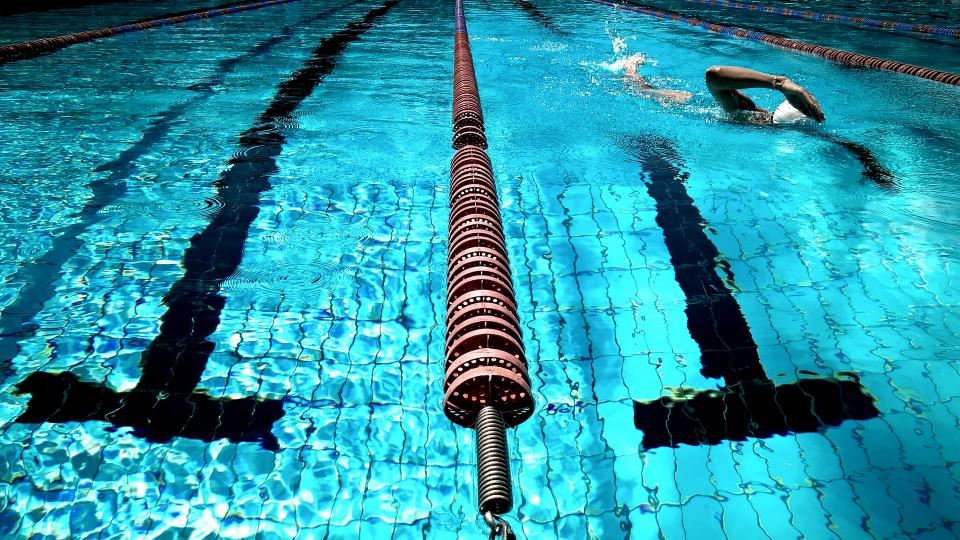
Runners talk about their knees the way accountants talk about tax season — with a certain weary resignation. Swimming rarely comes up in the same conversation, and that’s part of the problem: it’s one of the most complete cardiovascular workouts available, yet it’s often treated as a summer activity rather than a serious year-round training tool. The buoyancy of water supports roughly 90% of body weight, which dramatically reduces the joint impact that makes other cardio harder to sustain over decades.
Swimming also happens to be one of the few activities that trains the entire body in a single session, combining cardiovascular conditioning with resistance from water itself. For people managing joint pain, recovering from certain injuries, carrying extra body weight, or simply looking for a workout that feels less punishing than running, swimming deserves a much bigger role in the conversation. Here’s what the evidence says and how to build a swimming routine that actually improves fitness.
Why Swimming Is Uniquely Gentle on the Body
Water’s buoyancy offsets a large portion of body weight, which is why swimming is frequently recommended for people with arthritis, chronic joint pain, or those in the early stages of returning from injury. Unlike running or jumping-based exercise, swimming eliminates the repetitive ground-impact forces that contribute to overuse injuries over time.
This doesn’t mean swimming is a “lesser” workout — quite the opposite. Water is roughly 800 times denser than air, meaning every stroke requires the body to move against significant resistance. That resistance is what makes swimming simultaneously a cardiovascular and a strength-endurance activity, engaging the shoulders, back, core, and legs depending on the stroke used.
What the Evidence Shows About Swimming and Fitness
Swimming is recognized by major health bodies as a full aerobic exercise option that counts toward general activity guidelines. The World Health Organization recommends adults get at least 150 to 300 minutes of moderate-intensity aerobic activity, or 75 to 150 minutes of vigorous activity, per week, and swimming can satisfy either category depending on pace and stroke intensity.
Research consistently shows that regular swimming improves cardiovascular fitness markers, including resting heart rate and cardiorespiratory endurance, comparably to other forms of aerobic exercise like cycling or running. Because swimming also requires controlled, rhythmic breathing against water resistance, some research suggests it may offer respiratory conditioning benefits beyond what’s seen in land-based cardio, though more research is needed to fully characterize this effect across different populations.
The Main Strokes and What They Train
Different strokes emphasize different muscle groups, which is part of why mixing strokes within a session can create a more balanced, full-body workout.
- Freestyle (front crawl): The most efficient stroke for distance and speed, emphasizing shoulders, lats, and core rotation.
- Backstroke: Similar muscle engagement to freestyle but reduces strain on the neck and is often more comfortable for people with shoulder issues.
- Breaststroke: Emphasizes the chest, inner thighs, and hip flexors, with a more moderate pace that’s beginner-friendly.
- Butterfly: The most demanding stroke, requiring significant core and shoulder strength; typically reserved for more experienced swimmers.
Getting Started as a Beginner
New swimmers often overestimate how much distance they should cover in early sessions and end up discouraged when fatigue sets in quickly — swimming uses muscles differently than land-based cardio, so early fatigue doesn’t necessarily reflect overall fitness level. Building comfort with breathing technique before focusing on speed or distance tends to produce better long-term results.
A reasonable beginner approach is to alternate laps of swimming with short rest intervals, gradually reducing rest time as endurance builds. Taking a few lessons to refine technique, particularly breathing mechanics, can make a significant difference in how sustainable and enjoyable the sport feels early on.
Common Mistakes That Slow Progress
Holding the breath rather than exhaling underwater is one of the most common beginner errors, often leading to a rushed, panicked feeling when surfacing for air. Practicing rhythmic exhalation underwater, even during casual pool time, builds the breathing pattern needed for sustained swimming.
Another common mistake is neglecting kick technique, relying almost entirely on the arms for propulsion. A balanced kick contributes meaningfully to speed and helps keep the body properly positioned in the water, which in turn reduces drag and conserves energy over longer distances.
How to Apply This: A 4-Week Beginner Swim Plan
This sample plan assumes access to a pool and basic stroke comfort; complete beginners should consider a few lessons first.
- Week 1: 2-3 sessions of 15-20 minutes, alternating 2 laps of easy swimming with 30-60 seconds of rest.
- Week 2: 2-3 sessions of 20-25 minutes, reducing rest slightly and introducing a second stroke for variety.
- Week 3: 3 sessions of 25-30 minutes, adding one or two short faster-paced intervals within the session.
- Week 4: 3 sessions of 30 minutes, aiming for more continuous swimming with shorter, purposeful rest breaks.
Progress should be based on how the body responds rather than rigid adherence to the schedule — those managing joint conditions, recovering from surgery, or new to structured exercise should check with a healthcare provider before starting a new routine.
Who Benefits Most From Swimming
Swimming is particularly valuable for people with arthritis or joint pain, pregnant individuals (with medical clearance), people recovering from certain injuries, and those managing higher body weight who find high-impact cardio uncomfortable. It’s also a strong cross-training option for runners and other athletes, offering cardiovascular benefits while allowing joints a break from repetitive impact.
That said, swimming builds bone density less effectively than weight-bearing exercise, since the water reduces gravitational load on the skeleton. People focused on bone health may want to pair swimming with some land-based resistance or weight-bearing activity for a more complete routine.
Is swimming enough exercise on its own?
For cardiovascular fitness, yes — swimming can fully satisfy aerobic activity guidelines. For comprehensive fitness, especially bone health, pairing it with some land-based resistance training is generally recommended.
How many times a week should I swim?
Two to three sessions per week is a reasonable starting point for beginners, with experienced swimmers often training more frequently depending on goals and recovery capacity.
Can swimming help with weight management?
Swimming burns a meaningful number of calories, particularly at higher intensities, and can support weight management as part of an overall plan that includes appropriate nutrition. Like any single exercise, results depend on consistency and overall lifestyle factors.
Is swimming safe during pregnancy?
Swimming is often recommended as a comfortable, low-impact option during pregnancy due to reduced joint stress, but anyone who is pregnant should get individualized clearance and guidance from their obstetric care provider before starting or continuing a swim routine.
Related reading
Affiliate & medical disclosure: This review is independent and for information only, not medical advice. Some links may be affiliate links; we may earn a commission at no cost to you, which never affects our score. Consult a licensed provider before starting any product.