Hand Placement and Grip Width: How Bar Position Changes Muscle Activation
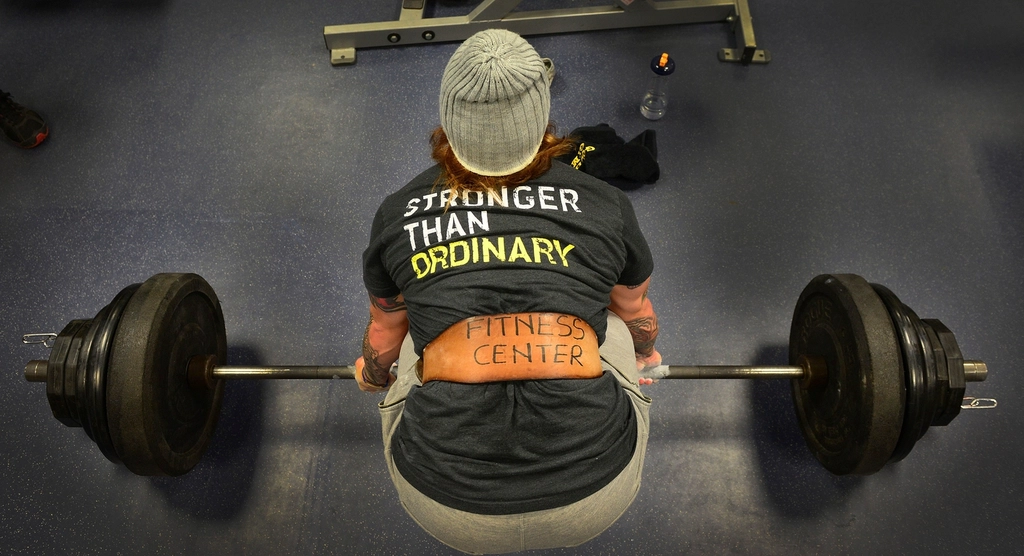
Two people can do the exact same exercise — say, a bench press or a lat pulldown — with completely different results simply because of where their hands sit on the bar. Grip width and hand orientation are among the most overlooked variables in strength training, quietly changing which muscles do the most work, how much joint stress a lift creates, and whether an exercise feels comfortable or aggravating to an old shoulder or wrist issue.
Most lifters default to whatever grip width feels familiar or matches the markings on a barbell, without realizing that small adjustments can shift an exercise’s emphasis meaningfully — sometimes turning a chest-dominant press into more of a shoulder or triceps movement, or vice versa.
Why Grip Width Changes Muscle Activation
Changing hand position alters the joint angles at the shoulder, elbow, and wrist throughout a lift, which in turn changes which muscles are best positioned to generate force. A wider grip on a bench press, for example, shortens the range of motion and shifts more emphasis onto the chest, while a narrower grip lengthens the range of motion and increases triceps involvement.
Research consistently shows that grip width measurably affects muscle activation patterns in pressing and pulling exercises, even when the overall movement looks similar on the surface. This is one reason two lifters training “the same exercise” can develop noticeably different muscle emphasis over time.
Grip Width on Pressing Movements
- Wide grip bench press: Emphasizes the chest more, shortens the range of motion, but increases stress on the shoulder joint — a consideration for anyone with existing shoulder issues.
- Narrow grip bench press: Increases triceps involvement and range of motion, generally reducing shoulder joint stress compared to a wide grip.
- Standard/medium grip: Offers a balance between chest and triceps involvement and is generally the safest default for most lifters.
Overhead pressing follows a similar pattern — grip width affects shoulder joint positioning, and many coaches recommend a slightly narrower-than-shoulder-width grip for overhead pressing to reduce unnecessary shoulder strain.
Grip Width and Orientation on Pulling Movements
Pulling exercises like rows and pulldowns show similar effects. A wide grip pulldown tends to emphasize the upper lats and rear shoulder muscles, while a closer, underhand grip shifts more work to the lower lats and biceps.
- Overhand (pronated) grip: Generally emphasizes the back muscles more directly and reduces bicep involvement.
- Underhand (supinated) grip: Increases biceps involvement and can feel more comfortable for some lifters’ wrists and elbows.
- Neutral grip (palms facing each other): Often the most joint-friendly option, reducing strain on the wrists and shoulders during pulling movements.
Grip Width and Injury Considerations
Grip and hand position aren’t just about muscle targeting — they play a real role in joint comfort and injury risk. Extremely wide grips on pressing movements, for instance, place the shoulder in a more vulnerable position at the bottom of the movement, which is why some strength coaches recommend moderate grip widths for most lifters, reserving very wide or very narrow grips for advanced lifters with specific goals.
People with a history of shoulder impingement, wrist pain, or elbow tendinitis often find that adjusting grip width or switching to a neutral grip variation (like a neutral-grip dumbbell press or pull-up handles) reduces discomfort without necessarily giving up the exercise entirely. This is a reasonable first adjustment to try before assuming an exercise simply isn’t compatible with your body.
Finding Your Optimal Grip: A Practical Approach
There’s no single “correct” grip width for everyone, because individual joint structure, mobility, and injury history all play a role. What works well for one lifter’s shoulders may cause discomfort for another.
- Start with a standard, shoulder-width-ish grip as a baseline for most pressing and pulling movements.
- Make small adjustments — an inch or two at a time — rather than dramatic changes, to isolate what feels different.
- Pay attention to joint comfort, not just muscle “feel,” especially in the shoulders and wrists.
- Consider rotating grip variations across a training week to develop more balanced muscle activation and reduce repetitive strain on any single joint angle.
How to Apply This: Adjusting Grip in Your Current Program
You don’t need to redesign your entire program to make use of this — small, deliberate changes are often enough.
- Identify one or two lifts where you’ve never varied your grip (commonly the bench press, lat pulldown, or overhead press).
- Try a slightly different grip width for a few weeks, keeping other variables like weight and reps consistent, and note how it feels.
- If a lift consistently causes joint discomfort, try a neutral or narrower grip variation before abandoning the exercise.
- Rotate grip variations periodically (for example, alternating wide and close grip pulldowns across weeks) to build more balanced muscular development.
- If pain persists regardless of grip adjustments, consult a physical therapist, since grip changes address biomechanics, not underlying injuries.
As with most training variables, individual anatomy plays a large role, and what feels ideal for one lifter may need adjustment for another. Shoulder socket depth, arm length, and even wrist flexibility all vary between individuals, which is part of why two experienced lifters can swear by completely different grip setups for the same exercise and both be right for their own bodies. Keeping a simple training log noting grip width alongside how a joint felt afterward can make it much easier to spot patterns over several weeks rather than relying on memory alone.
Does grip width affect how much weight I can lift?
Often, yes. A wider grip on the bench press typically allows slightly heavier loads due to the shorter range of motion, though this doesn’t necessarily mean more muscle growth, since range of motion also matters for hypertrophy.
Is a neutral grip always safer than an overhand or underhand grip?
Not universally, but many lifters find neutral grips more comfortable for the wrists and shoulders, particularly during pressing movements, making it a reasonable option for those managing joint discomfort.
Should beginners worry about grip width right away?
Not immediately. Beginners generally benefit more from learning solid technique with a standard grip before experimenting with width variations to fine-tune muscle emphasis.
Can changing grip width fix shoulder pain during pressing?
It may reduce discomfort for some people, but persistent shoulder pain should be evaluated by a healthcare provider or physical therapist rather than addressed through grip adjustments alone.
Related reading
Affiliate & medical disclosure: This review is independent and for information only, not medical advice. Some links may be affiliate links; we may earn a commission at no cost to you, which never affects our score. Consult a licensed provider before starting any product.