Endoca vs Mainstream CBD: Does the Organic, Seed-to-Shelf Model Pay Off?
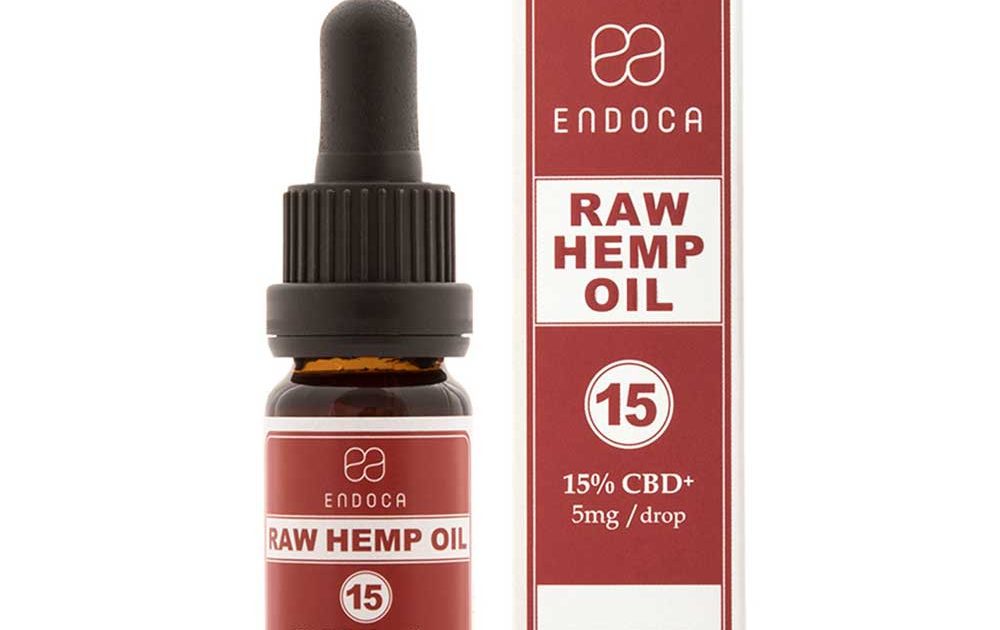
Twist the cap off an Endoca RAW oil and the first thing you notice is that it looks wrong. It’s dark, almost muddy green-brown, with visible plant waxes clouding the bottle. Most CBD oils are clear gold, so a first-timer’s instinct is to assume this one’s gone off. It hasn’t. That murk is kind of the whole point of Endoca, and whether it’s worth paying more for is the question I kept circling while comparing it to the clean, mainstream stuff that fills most shelves.
Endoca is a Danish brand built on a claim that’s easy to say and hard to actually do: they control the whole chain, from the hemp seed in European soil to the bottle that lands on your doorstep. Seed-to-shelf, own farms, organic certification, CO2 extraction. Plenty of brands rent every step of that. Endoca says it owns it. So does the difference show up in the bottle, or just the price tag?
What “seed-to-shelf” actually buys you
The mainstream CBD model usually looks like this: a company buys bulk hemp extract from a third-party processor, blends it with a carrier oil, slaps on a label, and ships it. Nothing inherently wrong with that, and it keeps prices low. But you’re trusting a supply chain you can’t see.
Endoca’s pitch is that it grows its own organic hemp, extracts with CO2 rather than harsh solvents, and offers a RAW line that skips the heating step. That last bit matters more than it sounds. Heating (decarboxylation) converts CBDa into CBD. Endoca’s RAW oils keep the CBDa intact, so the label reads “CBD+CBDa,” and you’re getting the acidic precursor cannabinoid that most heated oils have cooked away. Their heated capsules and oils exist too, for people who want plain CBD. Choice, basically.
Endoca strengths and what they cost
The oil range is organized by percentage. The 3% oil carries 300mg CBD+CBDa, the 15% carries 1500mg (about 5mg per drop, 300 drops a bottle), and the 30% extract carries 3000mg in a thick paste or syringe format for people who want the strongest concentration. Capsules come in a 10mg raw version (30 caps = 300mg) and a 50mg version (30 caps = 1500mg).
The 15% RAW oil runs around $97 for the bottle. Do the math and that’s roughly 6.5 cents per milligram of CBD+CBDa. Here’s the honest read: that’s not cheap. Budget mainstream oils regularly land at 4 to 6 cents per milligram, and some undercut even that. Endoca sits at the higher end, and the premium is the organic, own-farm, RAW story. Whether that story is worth 20 to 40 percent more than a competent mainstream oil depends entirely on how much you care about sourcing.
| Factor | Endoca RAW | Typical mainstream CBD oil |
|---|---|---|
| Hemp source | Own organic farms (Europe) | Third-party bulk extract |
| Extraction | CO2 | CO2 or solvent (varies) |
| Signature product | RAW CBD+CBDa (unheated) | Heated CBD, clear oil |
| 15% / 1500mg price | ~$97 (~$0.065/mg) | ~$45–$80 (~$0.04–$0.06/mg) |
| Appearance | Dark, cloudy, waxy | Clear golden |
The other thing the model is supposed to buy is traceability, and this is where I’ll give Endoca real credit. Retailers list the brand as organic-certified, GMP-produced, and triple-lab tested, and when a company grows the plant itself, a bad batch has nowhere to hide behind an anonymous supplier. That doesn’t automatically make the oil “better” for you, but it does mean the story you’re paying for is one they can actually stand behind. Still, don’t take the marketing on faith. Pull up the certificate of analysis for the batch you’re buying and check that the CBD and CBDa numbers match the label and that contaminant screening passed. A brand can own every farm in Denmark and you should still read the COA.
The honest downside
My gripe with Endoca isn’t the price, it’s the taste. RAW full-spectrum oil is intense. Earthy, bitter, a little like chewing a handful of grass, and the unfiltered waxes give it a texture some people can’t stand. There are no dessert flavors to hide behind here, which is on-brand for a purist product but a genuine barrier for beginners. If your first CBD experience is a dropper of Endoca RAW held under your tongue, you might swear off the whole category. The capsules sidestep this completely, so that’s where I’d point a newcomer who still wants the Endoca sourcing.
A few boundaries worth stating flat out. Full-spectrum hemp products legally contain up to 0.3% THC, the threshold the 2018 Farm Bill uses to define hemp, so Endoca RAW can potentially trigger a positive drug test. The FDA has not evaluated or approved these products to diagnose, treat, cure, or prevent any disease. CBD and CBDa are supplements, not medicine, whatever the wellness marketing implies.
So does the organic model pay off?
For the right buyer, yes. If you specifically want RAW CBDa, you care about where your hemp is grown, and you’d rather buy from a brand that can point to its own fields than one that quietly sources from wherever’s cheapest, Endoca earns the premium. If you just want affordable, pleasant-tasting CBD to see whether it does anything for you, a mainstream broad-spectrum oil will get you there for less money and less of a taste ordeal. Both answers are valid. They’re just answers to different questions.
FAQs
Why is Endoca RAW oil dark and cloudy?
Because it’s unfiltered and unheated. The oil keeps natural plant waxes, chlorophyll, and CBDa that filtered, heated oils remove. The murky look is normal for this product, not a sign it’s spoiled.
What’s the difference between Endoca RAW and heated products?
RAW products retain CBDa, the acidic precursor to CBD. Heated products are decarboxylated, converting CBDa into CBD. Endoca sells both so you can pick the cannabinoid profile you want.
Is Endoca worth the higher price?
It costs more per milligram than many mainstream oils. The premium buys organic, own-farm sourcing and RAW CBDa. Worth it if those things matter to you; skippable if you mainly want low cost per dose.
Can Endoca show up on a drug test?
Potentially. Full-spectrum products contain trace THC up to the legal 0.3% limit, which can accumulate and produce a positive result. If you’re tested, a THC-free isolate from another brand is the safer route.
Related reading
Affiliate & medical disclosure: This review is independent and for information only, not medical advice. Some links may be affiliate links; we may earn a commission at no cost to you, which never affects our score. Consult a licensed provider before starting any product.