Hemp THC Drinks in 2026: How They Work and Which Ones Are Worth Trying
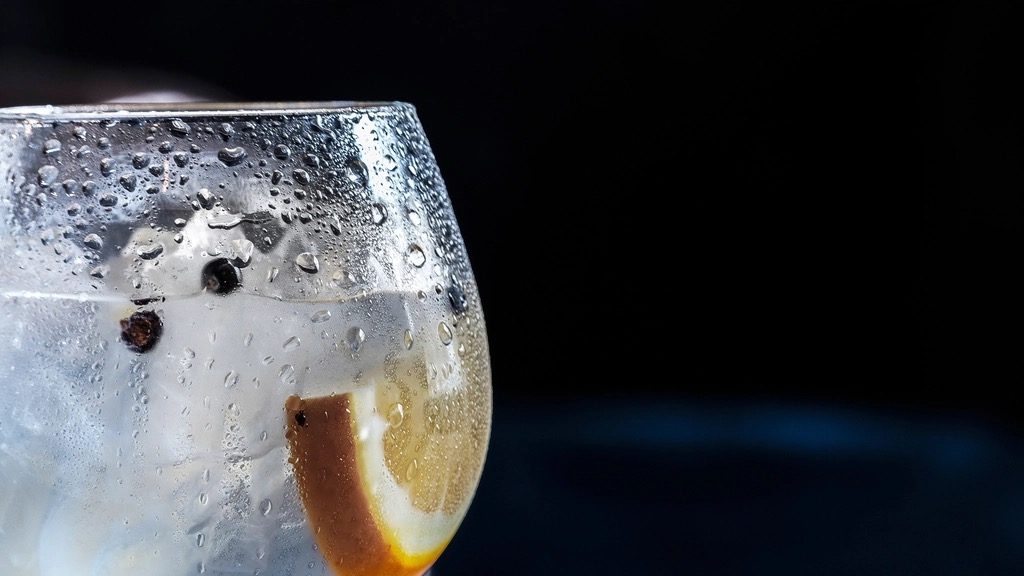
There’s a cooler at my local bottle shop that didn’t exist two years ago: a full shelf of hemp THC drinks sitting right next to the craft IPAs, cans priced like fancy seltzer and dosed like a mild edible. A year ago the category was two or three brands. Now every gas station cooler and online cart carries a dozen, and the marketing has landed on the same pitch — the buzz without the beer, roughly 50 calories instead of 250, no Saturday-morning headache. Some of that pitch is true. Some of it needs an asterisk the can doesn’t print. This guide covers how these drinks are legal at all, how the high differs from a gummy, how to dose without ruining an evening, and which ones we’ve actually reviewed in depth.
How hemp THC drinks are legal (the Farm Bill loophole that isn’t quite a loophole)
The whole category stands on the 2018 Farm Bill, which legalized hemp and hemp-derived products containing no more than 0.3% delta-9 THC by dry weight. That percentage sounds tiny, but it’s measured against the product’s weight — and a 12-ounce can weighs a lot. A drink can carry 5mg or 10mg of real delta-9 THC, stay under the 0.3% threshold, and ship legally in much of the country. Same molecule as a dispensary edible. Different regulatory lane.
Three caveats before anything else, because they outrank taste and price. First, these are 21+ products, full stop. Second, state law is a patchwork — a number of states have moved to restrict or ban hemp-derived THC beverages, and rules keep shifting, so check your state before ordering. Third, the FDA has not evaluated or approved hemp THC drinks for any use. Legal to sell is not the same as evaluated for safety, and it’s definitely not the same as consequence-free if your job drug-tests you — THC from a “legal” can shows up on a screen exactly like THC from anywhere else.
Drinks vs edibles: why the can hits faster
Traditional edibles are hard to plan around because onset wanders between 30 and 90 minutes — long enough that impatient people take a second dose right before the first one lands. Drinks behave differently. Most serious beverage brands use emulsification technology that breaks THC into fast-absorbing droplets, so effects tend to arrive noticeably sooner and build as you sip rather than ambushing you an hour later. Melo Seltzer built its reputation partly on that consistency — a 5mg can behaving like 5mg every time is what makes alcohol-style pacing possible. The effect also tapers sooner than a heavy edible, which for a weeknight is a feature.
Still: give any THC drink a full 45 to 90 minutes before deciding you don’t feel it. Treating a 10mg can like a LaCroix is how people have a bad night.
Dosing: what 2.5mg, 5mg, and 10mg actually feel like
| Dose tier | Practical intensity | Best for | Examples we’ve reviewed |
|---|---|---|---|
| 2–2.5mg (microdose) | Barely-there social sipper; you can have a couple | THC-curious, mixed company, “mocktail plus” | Low-dose seltzers, often paired with CBD |
| 5mg (standard start) | Comparable to the social ease of a glass of wine | First-timers, weeknights, low tolerance | Melo 5mg line; Aspen Green BOLO 5mg |
| 10mg (full session) | A strong cocktail and a half; noticeable body effect | Experienced users replacing multi-drink nights | Melo 10mg line; BOLO 10mg |
The universal guidance for hemp beverages is start low — 5mg is the industry’s consensus starting dose, and 2.5mg is the cautious entry if you’ve never tried THC in any form. One can, one evening, no alcohol alongside, and see how you respond before buying a case. Never drive after any of these tiers. Experienced users tend to migrate to 10mg cans for the economics: one 10mg can costs meaningfully less than two 5mg cans for the same total dose.
The alcohol-replacement math, and the brands worth a look
The substitution pitch holds up better on numbers than most wellness trends. A bar cocktail averages $14, so two drinks a night out is $28 before tip; eight cocktail occasions a month runs $112. The CDC puts a standard beer around 150 calories, cocktails frequently north of 250, while a Melo Grapefruit 5mg sits near 50 calories with zero alcohol. Nobody has to quit drinking philosophically — the honest version is just admitting that several drinking occasions a month are habit rather than celebration, and those are the ones worth swapping first.
Melo Seltzer is the benchmark for the full-effect camp — a lineup built entirely around 5mg and 10mg cans in flavors like Grapefruit, Strawberry Mango, and the lemonade-iced-tea Half & Half. Our Melo Seltzer buyer’s guide breaks down which dose tier to order first, and our Melo vs other THC drinks comparison puts it against the crowded cooler on taste and value. The short version: doses you can actually feel, flavors that read as solid seltzer rather than craft mocktail.
Aspen Green BOLO comes at the category from the premium-organic end — adaptogen-infused THC cans at 5mg and 10mg, $44.99 to $49.99 per pack, from a brand whose whole identity is USDA-certified organic hemp and published batch lab results. You’re paying the certification premium; our Aspen Green review covers whether that paperwork is worth it to you.
If drinks turn out not to be your format, the same Farm Bill lane covers delta-9 gummies, which trade the fast onset for longer duration and lower cost per milligram. Multi-category shops sell both — our Yumz Lab buyer’s guide maps that kind of catalog, from budget delta-9 gummies to THCA flower, and how to order without wasting $100 discovering a format you don’t enjoy.
My gripe with the category: the packaging works too well. These cans look exactly like the innocent seltzer next to them — same fonts, same fruit art, same pastel palette — and the dose information is often the smallest text on the label. That’s great for shelf appeal and terrible for the person who grabs one from a friend’s cooler without reading. If you keep these at home around housemates or guests, treat them like alcohol, not soda, and keep them away from anyone under 21 and from pets.
Frequently asked questions
Are hemp THC drinks legal in my state?
Federally they’re legal under the 2018 Farm Bill when they stay at or below 0.3% delta-9 THC by dry weight, but states get the final word and several restrict or ban hemp-derived THC beverages outright. Check your state’s current rules before ordering — this is one category where the law genuinely changes year to year.
How long does a THC drink take to kick in compared with an edible?
Faster, generally. Emulsified THC in a beverage tends to arrive well before a traditional edible’s 30-to-90-minute window, and the effect builds as you sip. Still, wait 45 to 90 minutes before judging a can, and never stack a second one because “nothing’s happening” at minute twenty.
Will a 5mg THC seltzer show up on a drug test?
Yes, it can. Drug tests detect THC metabolites regardless of whether the THC came from a legal hemp beverage or anything else. If you’re tested for work, sport, or custody reasons, this whole category is off the table — no exceptions for “it was Farm Bill compliant.”
Can I drink alcohol with a THC seltzer?
Don’t. Mixing THC and alcohol amplifies impairment unpredictably, and it defeats the main reason most people buy these — replacing drinks, not stacking on top of them. Same rule as every tier of this category: no driving, start low, and treat the can like the adult product it is.
Related reading
Affiliate & medical disclosure: This review is independent and for information only, not medical advice. Some links may be affiliate links; we may earn a commission at no cost to you, which never affects our score. Consult a licensed provider before starting any product.