Antioxidants Explained: What They Do and Which Foods Have the Most
“Antioxidant-rich” has become one of the most overused phrases on food packaging, slapped onto everything from chocolate bars to bottled juices. But most people who reach for these products couldn’t explain what an antioxidant actually does in the body, which makes it easy for marketing claims to outrun the real science.
A common misconception is that antioxidants work like a switch — consume enough and you’re instantly protected from disease. The reality is more nuanced: antioxidants play a supporting role in a much larger picture of overall dietary pattern, not a standalone solution.
What Antioxidants Actually Do
Antioxidants are compounds that help neutralize free radicals — unstable molecules produced naturally through metabolism and increased by factors like UV exposure, pollution, and smoking. Left unchecked, free radicals can contribute to oxidative stress, which has been linked to aging and the development of certain chronic diseases.
Common dietary antioxidants include vitamin C, vitamin E, beta-carotene, selenium, and a wide range of plant compounds called polyphenols and flavonoids, found abundantly in colorful fruits and vegetables.
Which Foods Actually Deliver
Rather than chasing a single “superfood,” a varied diet rich in different colored produce tends to provide the broadest range of antioxidant compounds, since different pigments correspond to different protective compounds.
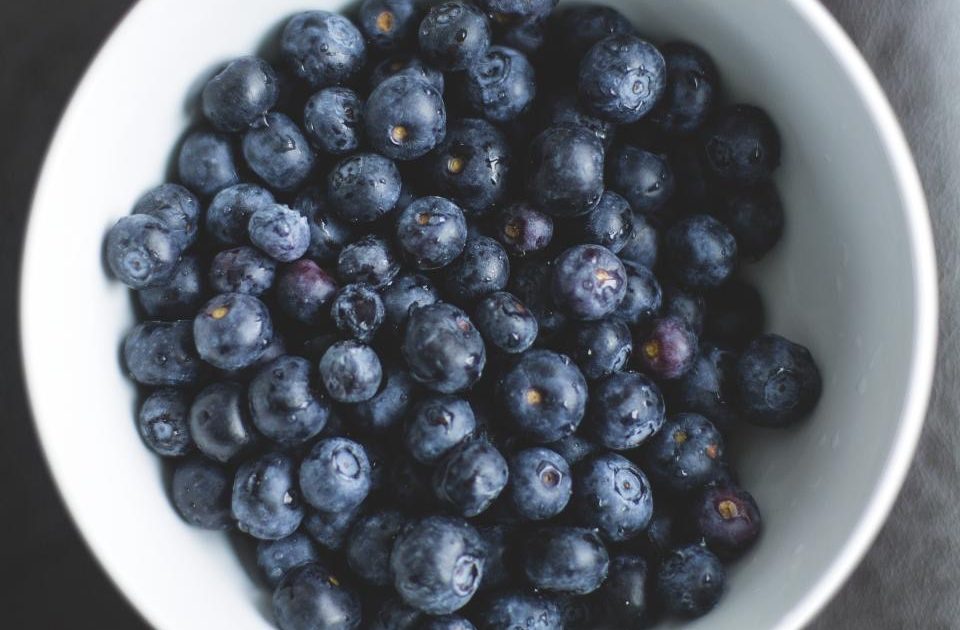
- Berries (blueberries, blackberries, strawberries) are consistently among the highest antioxidant-density fruits, largely due to their anthocyanin content.
- Leafy greens like spinach and kale provide vitamin C, beta-carotene, and various flavonoids.
- Nuts and seeds, particularly walnuts and sunflower seeds, contribute vitamin E and healthy fats alongside antioxidant compounds.
- Dark chocolate (70% cocoa or higher) contains flavanols, though portion size matters given its calorie and sugar content in many commercial products.
- Colorful vegetables like bell peppers, tomatoes, and beets each bring distinct antioxidant profiles.
What the Evidence Does and Doesn’t Support
The Academy of Nutrition and Dietetics recommends getting antioxidants primarily from whole foods rather than high-dose supplements, since food sources provide a complex mix of nutrients that work together, and some large supplement trials have shown neutral or even concerning results with isolated high-dose antioxidant pills.
The NIH’s Office of Dietary Supplements notes that while diets rich in fruits and vegetables are consistently associated with lower risk of several chronic diseases, it hasn’t been conclusively established that antioxidants alone are the reason for this benefit, since these foods also contain fiber, water, and other beneficial compounds working together.
Common Mistakes People Make
Relying on antioxidant supplements instead of food is one of the most common errors, especially since some research has raised concerns about high-dose beta-carotene supplements potentially increasing lung cancer risk in smokers, a finding that underscores why “more is better” doesn’t always apply to isolated nutrients.
Another mistake is assuming that expensive antioxidant powders or exotic “superfoods” are necessary. Familiar, affordable foods like blueberries, spinach, and beans provide substantial antioxidant value without a premium price tag.
Cooking Methods and Antioxidant Content
How food is prepared can meaningfully affect its antioxidant content. Some antioxidants, like vitamin C, are heat-sensitive and degrade with prolonged cooking, which is why raw or lightly steamed vegetables sometimes retain more of certain antioxidants than heavily boiled ones. Boiling can also cause water-soluble antioxidants to leach into cooking water that’s later discarded.
On the other hand, some antioxidants actually become more bioavailable after cooking — the lycopene in tomatoes, for example, is generally more easily absorbed by the body after cooking than when eaten raw. This is a useful reminder that there’s no single “correct” way to prepare produce for maximum antioxidant benefit; variety in both foods and preparation methods is generally more useful than optimizing any single dish.
Antioxidants and Exercise Recovery
Exercise temporarily increases oxidative stress in the body, which has led to interest in whether antioxidant-rich foods or supplements can speed up recovery after tough workouts. The evidence here is nuanced — while whole-food sources of antioxidants fit well into a generally healthy athlete’s diet, some research suggests that very high-dose antioxidant supplementation around workouts might actually blunt some of the beneficial training adaptations the body would otherwise make in response to that oxidative stress.
This is a good example of why whole foods and isolated high-dose supplements aren’t interchangeable, even when they technically contain the same nutrient. For most active people, continuing to eat a varied, colorful diet rather than adding concentrated antioxidant supplements around training remains the more evidence-supported approach.
How to Apply This: Building an Antioxidant-Rich Day
Here’s a simple way to naturally increase antioxidant variety without overhauling your diet:
- Breakfast: Add a handful of berries to oatmeal or yogurt.
- Lunch: Include a colorful salad with spinach, bell peppers, and a small handful of walnuts.
- Snack: Choose a piece of fruit or a small square of dark chocolate instead of processed snack foods.
- Dinner: Fill at least half your plate with a mix of colorful vegetables.
Aim for the general “5 a day” pattern of fruits and vegetables recommended by many public health bodies as a practical target, adjusting based on individual calorie needs and any medical guidance you’ve received.
Do antioxidant supplements work as well as food?
Generally, no — most major health organizations recommend getting antioxidants from whole foods, since isolated high-dose supplements haven’t shown the same consistent benefits and in some cases have raised safety concerns.
What are the best antioxidant foods?
Berries, leafy greens, nuts, colorful vegetables, and moderate amounts of dark chocolate are among the most reliable whole-food sources.
Can eating too many antioxidant foods be harmful?
Whole food sources are generally very safe in normal dietary amounts. Concerns mainly apply to concentrated, high-dose supplement forms rather than food.
Do antioxidants prevent cancer?
Diets rich in fruits and vegetables are associated with lower risk of some chronic diseases, but no food or nutrient can be said to reliably “prevent” cancer on its own. It’s one part of an overall healthy lifestyle.
Is fresh produce better than frozen for antioxidant content?
Not necessarily. Frozen fruits and vegetables are typically flash-frozen shortly after harvest, which can preserve nutrient content, including some antioxidants, comparably well to fresh produce, and frozen options can be a practical, budget-friendly way to maintain variety year-round.
Related reading
Affiliate & medical disclosure: This review is independent and for information only, not medical advice. Some links may be affiliate links; we may earn a commission at no cost to you, which never affects our score. Consult a licensed provider before starting any product.