Freeze-Dried and Dehydrated Foods: Nutrition Trade-offs of Preserved Produce
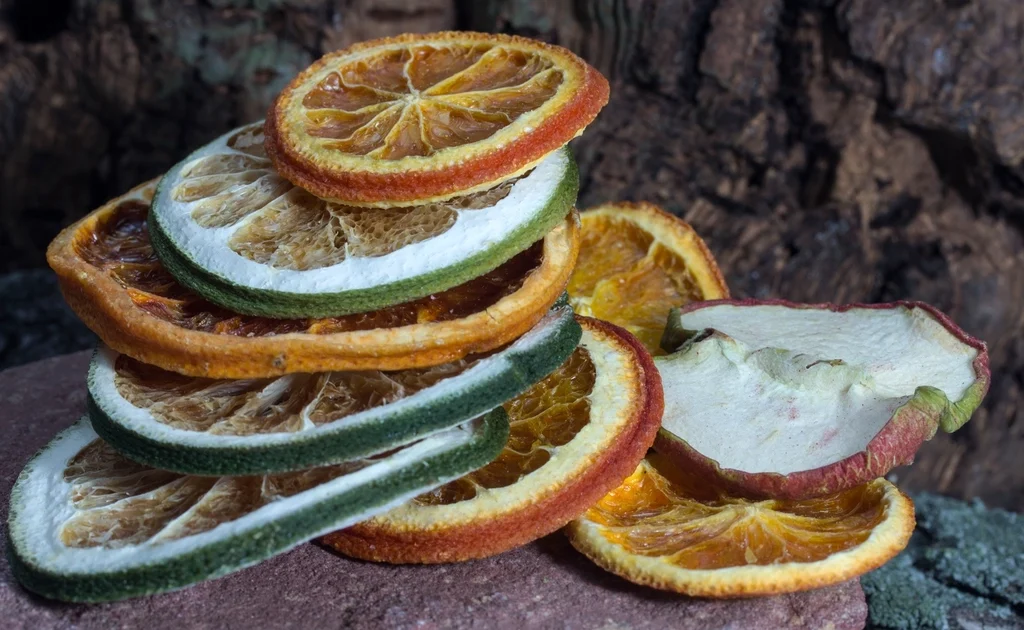
A bag of freeze-dried strawberries and a bag of sun-dried strawberries look similar on a shelf, but nutritionally, how produce is preserved can matter almost as much as what produce it is. As dehydrated and freeze-dried snacks have exploded in popularity — marketed as convenient, shelf-stable, “just as good as fresh” — it’s worth understanding what preservation actually does to nutrient content, and where the trade-offs really lie.
The short answer is that preservation methods vary widely in how much nutrition they retain, and “dried” is not one single category. Freeze-drying, dehydrating, and sun-drying each affect vitamins, sugar concentration, and texture differently.
How Freeze-Drying Works
Freeze-drying removes water from food by first freezing it, then using a vacuum process to convert the ice directly into vapor, skipping the liquid phase entirely. Because this process uses low temperatures rather than prolonged heat, it tends to preserve more of the water-soluble vitamins, like vitamin C and several B vitamins, than heat-based drying methods.
Research consistently shows that freeze-dried fruits and vegetables retain more of their original nutrient profile compared to conventional dehydration, largely because the process avoids the heat exposure that degrades sensitive vitamins. This is one reason freeze-dried produce tends to be pricier — the equipment and process are more resource-intensive than simple heat-based drying.
How Traditional Dehydrating Works
Dehydrating uses warm, circulated air over an extended period to evaporate moisture from food. It’s a much older, more accessible method — home dehydrators and sun-drying both fall into this category — but the heat involved does come with some nutrient cost, particularly to heat-sensitive vitamin C, which can degrade significantly during the drying process.
- Dehydrating typically involves temperatures between 95-165°F over several hours.
- Longer exposure to heat generally means greater vitamin C and B vitamin loss.
- Minerals and fiber are largely heat-stable and are well-preserved by dehydrating.
The Sugar Concentration Trap
One of the most overlooked aspects of dried fruit — whether freeze-dried or dehydrated — is that removing water concentrates the sugar per bite. A cup of fresh grapes and a much smaller handful of raisins can contain a similar amount of natural sugar, but it’s far easier to eat that same amount of sugar quickly in dried form because the volume is so much smaller and the fiber-to-sugar ratio feels less filling.
The Academy of Nutrition and Dietetics has noted that while dried fruit can be a nutritious snack in moderation, portion awareness matters more than with fresh fruit, since it’s easy to eat several servings’ worth of sugar without the same sense of fullness that fresh, water-rich fruit provides.
- Check labels for added sugar — many commercial dried fruits have sugar added beyond what’s naturally present.
- Treat a small handful (roughly a quarter cup) as a standard serving of most dried fruits.
- Pair dried fruit with a protein or fat source to slow sugar absorption and improve satiety.
What Preservation Doesn’t Change
Fiber content is largely unaffected by drying, whether freeze-dried or dehydrated, since fiber is heat-stable and doesn’t dissolve away like water-soluble vitamins. Minerals like potassium, calcium, and iron are also generally well-preserved through both processes, making dried fruits and vegetables a genuinely useful source of these nutrients, particularly when fresh produce isn’t available or affordable.
This is part of why dried and freeze-dried produce can be a reasonable addition to a diet, especially in situations where fresh produce access is limited — it isn’t nutritionally worthless, it simply has a different nutrient profile than the fresh version, with some trade-offs and some genuine advantages like shelf stability and portability.
Vegetables vs Fruits: Does the Category Matter?
Dried vegetables, like freeze-dried peas or dehydrated tomatoes, generally don’t carry the same sugar-concentration concern as fruit, since vegetables are naturally lower in sugar to begin with. This makes freeze-dried vegetables a reasonably strong option nutritionally — often used in backpacking meals and emergency food supplies specifically because they retain useful nutrition in a lightweight, shelf-stable form.
Vitamin retention in dried vegetables follows the same general pattern as fruit: freeze-dried versions tend to retain more heat-sensitive vitamins than dehydrated versions, though both retain minerals and fiber well.
How to Apply This: Choosing and Using Dried Produce Wisely
Dried and freeze-dried produce can fit into a healthy diet with a few practical guidelines in mind:
- Choose unsweetened, no-sugar-added versions whenever available, since many commercial dried fruits add sugar on top of what’s naturally present.
- Treat dried fruit servings as smaller than you’d instinctively assume — a small handful, not a full bag.
- Lean on freeze-dried or dehydrated vegetables for convenience in soups, trail mixes, or when fresh produce isn’t accessible, since they don’t carry the same sugar-concentration concern.
- Don’t rely on dried produce as your only source of fruits and vegetables — fresh and frozen produce generally offer a more complete and satiating nutritional package.
- Rehydrate dried vegetables in soups or stews when possible, which can help restore some texture and make portions feel more substantial.
As with most food choices, context matters — an occasional handful of dried mango is very different from replacing whole categories of fresh produce with dried versions long-term.
Is freeze-dried food as healthy as fresh food?
It’s close for many nutrients, particularly minerals and fiber, but fresh produce generally still retains more heat-sensitive vitamins and offers more volume and water content for the same calorie count, which affects fullness.
Why is dried fruit so much higher in calories per serving than fresh fruit?
Removing water concentrates the sugar and calories into a much smaller volume, so a small handful of dried fruit can have a similar calorie count to a much larger serving of fresh fruit.
Are freeze-dried vegetables good for emergency food storage?
Yes, they’re commonly used for this purpose because they retain nutrition well, are lightweight, and have a long shelf life compared to fresh produce.
Does freeze-drying remove all the water from food?
Freeze-drying typically removes the vast majority of water content, often over 98%, which is part of why freeze-dried foods have such a long shelf life compared to fresh or even conventionally dehydrated foods.
Related reading
Affiliate & medical disclosure: This review is independent and for information only, not medical advice. Some links may be affiliate links; we may earn a commission at no cost to you, which never affects our score. Consult a licensed provider before starting any product.