Third Places and Social Wellbeing: Why Spaces Outside Work and Home Matter for Mental Health
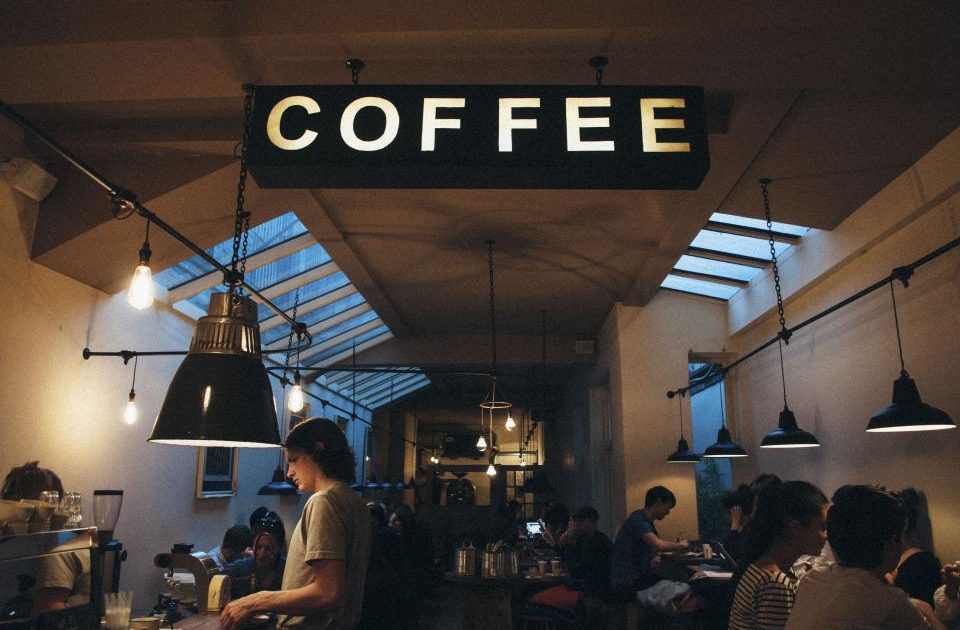
For a lot of adults, daily life shrinks down to two locations: home and work, with little else in between. It is easy to treat this as simply an efficient modern schedule, but sociologists have long argued it is a mistake with real consequences for mental health: humans also need “third places,” informal community spaces separate from home and work, where casual, low-pressure social connection happens naturally.
Coffee shops, gyms, places of worship, community centers, and local parks have historically filled this role. As many of these spaces have declined or become harder to access regularly, researchers have pointed to their loss as one contributor to the broader trend of increasing loneliness and weaker social ties. This article looks at what the research says about third places and practical ways to rebuild them into a busy life.
What Exactly Is a “Third Place”?
The term “third place” was popularized by sociologist Ray Oldenburg to describe informal public gathering spots, distinct from the “first place” (home) and “second place” (work), where people can show up regularly without an agenda and interact casually with familiar faces. Classic examples include neighborhood cafes, barbershops, pubs, libraries, and community centers, spaces characterized by easy accessibility, low or no cost of entry, and a welcoming, conversation-friendly atmosphere.
What distinguishes a third place from simply running errands is the repeated, low-stakes social contact it enables. Seeing the same barista, gym regulars, or dog park neighbors repeatedly over time builds a layer of what sociologists call “weak ties,” casual acquaintances who are not close friends but who nonetheless contribute meaningfully to a sense of community and belonging.
Why Weak Ties Matter More Than People Assume
It is tempting to think only close friendships and family relationships matter for wellbeing, but research on social connection suggests casual, everyday interactions play an underappreciated role too. Studies on social wellbeing have found that brief, friendly interactions with acquaintances and even strangers, sometimes called “weak tie” interactions, are associated with measurable boosts in daily mood and a sense of belonging, distinct from the benefits provided by close relationships.
This matters because weak ties are exactly the kind of connection third places are built to generate. Unlike close friendships, which require significant time investment to build and maintain, weak ties can form simply through consistent, casual presence in a shared space, making them a more accessible source of social benefit for busy adults who may struggle to maintain a large circle of close friends.
- Weak ties (acquaintances, regulars) provide measurable daily mood benefits
- Third places generate weak ties through repeated, low-pressure exposure
- These benefits are distinct from, and additive to, close friendships and family bonds
The Decline of Third Places and Its Public Health Relevance
Researchers and public health officials have increasingly framed loneliness and weak social connection as a serious public health concern, comparable in impact to other well-established risk factors for poor health outcomes. Several structural changes in recent decades, longer commutes, more remote and hybrid work, declining religious attendance, and the closure of many traditional community gathering spots, have reduced the number of accessible third places for many people.
Research consistently shows that social isolation and loneliness are associated with worse mental health outcomes and increased risk for a range of physical health issues over time. While third places are not a complete solution to loneliness on their own, rebuilding accessible, low-pressure community spaces is frequently cited by researchers as one practical piece of addressing this broader trend.
What Counts as a Third Place Today
Third places do not have to be traditional or historic; they simply need to meet the core criteria of accessibility, low cost, and a welcoming environment for casual repeated interaction. Modern examples that still fulfill this role include:
- Local coffee shops with regular customers and staff who recognize you
- Gyms, fitness studios, or recreational sports leagues with consistent attendees
- Community gardens, parks, or dog parks with a regular crowd
- Public libraries, which increasingly host community events and shared study spaces
- Volunteer organizations or hobby groups that meet on a regular schedule
The specific venue matters less than the pattern of consistent, repeated presence, since it is familiarity built over time, not a single visit, that generates the sense of belonging associated with third places.
How to Apply This: Building More Third Places Into Your Life
Rebuilding third-place habits does not require dramatic life changes, just intentional, repeated small choices:
- Pick one recurring activity, a class, a coffee shop visit, a recreational league, and attend it consistently at the same time each week rather than sporadically.
- Choose venues within easy reach of home or work, since accessibility is one of the defining features that makes a space function as a true third place.
- Be open to small talk with regulars rather than treating each visit as purely transactional; these brief interactions are where the weak-tie benefit accumulates.
- If your current routine lacks any such space, start with something low-commitment, like a weekly walk in the same park at the same time, to begin building familiarity.
- Give it time: the sense of belonging associated with third places tends to build gradually over weeks and months of repeated presence, not immediately.
A Note on Individual Variation and Introversion
Not everyone needs or wants the same amount of casual social contact, and introverted individuals may prefer third places with a quieter, more low-key social atmosphere, like a library or a small specialty shop, over louder, more socially demanding environments. The goal is not to maximize social interaction for its own sake, but to build at least some low-pressure, recurring social contact into daily life, calibrated to individual preference and capacity.
People experiencing significant social anxiety or depression may find even low-pressure social settings challenging, and working with a mental health professional alongside any lifestyle changes can provide additional support tailored to individual circumstances.
Do online communities count as third places?
Some researchers argue online communities can partially fulfill a similar role, particularly for people with mobility or access limitations, but most agree that in-person third places provide additional benefits, such as physical presence and unplanned interaction, that are harder to replicate digitally.
How often do I need to visit a third place to get the benefit?
There is no official threshold, but consistency matters more than frequency. Visiting the same place weekly, even briefly, is likely to build more familiarity and belonging than occasional, irregular visits to different places.
Can a workplace ever function as a third place?
Generally no, since work carries its own obligations, hierarchies, and pressures that differ from the low-stakes, voluntary nature of a true third place, though some workplace social spaces can occasionally take on similar qualities.
Is it too late to build new third places as an adult?
No. While it may feel more natural in childhood or school settings, adults can and do build meaningful third-place habits at any life stage, particularly by choosing recurring, low-commitment activities and staying consistent with them over time.
Related reading
Affiliate & medical disclosure: This review is independent and for information only, not medical advice. Some links may be affiliate links; we may earn a commission at no cost to you, which never affects our score. Consult a licensed provider before starting any product.