Social Media and Mental Health: Managing Comparison, FOMO, and Screen Habits
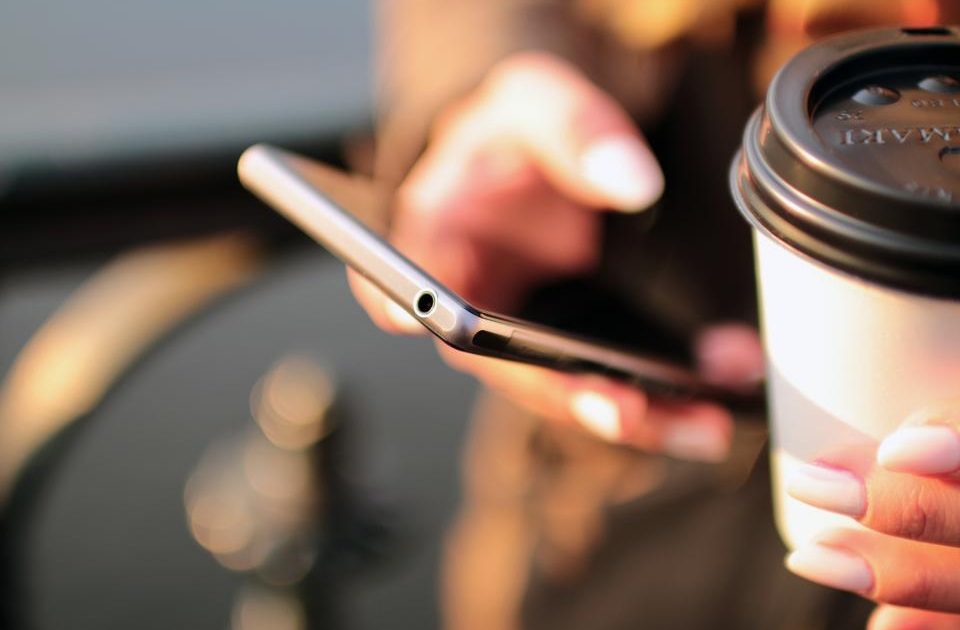
You open an app to check one notification and look up twenty minutes later, having scrolled through a dozen strangers’ vacations, workouts, and highlight reels. That gap between intention and outcome is at the center of most conversations about social media and mental health, and it’s more nuanced than either “social media is destroying a generation” or “it’s just a moral panic” headlines suggest.
The honest, evidence-based picture is that social media itself isn’t uniformly harmful, but specific patterns of use, passive scrolling, social comparison, and use that displaces sleep, are consistently linked to worse mental health outcomes. This article covers what the research actually shows, and practical ways to keep the parts of social media that add value while dialing back the parts that don’t.
What the Research Actually Shows
Research on social media and wellbeing is more mixed than headlines suggest, and much of that nuance comes down to how it’s used rather than whether it’s used at all. Studies distinguish between “active use” (messaging friends, posting, engaging meaningfully) and “passive use” (endless scrolling without interaction), and research consistently shows passive use is more strongly associated with lower mood and increased feelings of loneliness, while active, connection-oriented use shows a much weaker or even neutral relationship with wellbeing.
Time spent matters too, but perhaps less than most people assume. Several studies point to a pattern where moderate use isn’t clearly linked to harm, but very high daily use, commonly cited in research as upwards of 3 hours per day of recreational social media use, is more consistently associated with higher rates of anxiety and depressive symptoms, particularly among adolescents and young adults, according to reviews summarized by public health researchers.
Social Comparison: The Core Mechanism
Much of social media’s psychological cost seems to run through social comparison, the natural human tendency to measure ourselves against others, amplified by a feed that’s algorithmically curated toward the most polished, aspirational content people choose to post. Unlike comparing yourself to a handful of people in your actual daily life, social media exposes you to curated highlight reels from hundreds or thousands of people simultaneously, which research suggests can distort a realistic sense of how “normal” people’s lives, bodies, and achievements actually look.
This effect appears particularly pronounced around appearance and lifestyle content, and researchers have specifically flagged image-heavy platforms as carrying a stronger association with body image concerns compared to text-based platforms, likely because visual comparison is a more direct and immediate trigger than comparing written updates.
FOMO and the Compulsion Loop
Fear of missing out, commonly shortened to FOMO, describes the anxious pull to keep checking a feed in case something important is happening without you. Social media platforms are, by design, built around variable reward mechanics, similar to the unpredictability that makes slot machines compelling, which is part of why “just check quickly” so often turns into an extended scroll. Recognizing this as a designed mechanism, not a personal willpower failure, can make it easier to build boundaries without excessive self-blame.
Sleep: The Most Underrated Factor
One of the most consistently supported harms of heavy social media use isn’t the content itself, it’s what it displaces: sleep. The National Sleep Foundation recommends 7-9 hours of sleep per night for most adults, and screen use, particularly scrolling in bed, is strongly associated with delayed bedtimes and reduced total sleep time. Since poor sleep independently worsens mood, focus, and stress resilience, some of what gets attributed directly to “social media harming mental health” may actually run partly through its effect on sleep displacement.
How to Apply This: A Practical Social Media Reset
- Audit your use for a few days using your phone’s built-in screen time tracker before changing anything, so you have an honest baseline rather than a guess.
- Shift toward active use: prioritize messaging and engaging with close contacts over passively scrolling public feeds.
- Set a phone-free buffer before bed, ideally 30-60 minutes, to protect sleep onset and quality.
- Unfollow or mute accounts that consistently trigger comparison or negative mood, even if there’s no personal conflict involved; you’re allowed to curate for your own wellbeing.
- Use app timers for the specific apps where you notice the most mindless scrolling, rather than trying to cut all social media at once.
- Replace, don’t just remove: plan an alternative activity, a short walk, a call with a friend, reading, for the time slots you’re trying to reclaim, since an empty gap tends to get refilled with the same habit.
- Notice your mood before and after scrolling sessions for a week; this kind of self-awareness often does more to change behavior than a rigid rule.
Who Should Pay Extra Attention
Adolescents and young adults, whose identity and social comparison processes are still developing, appear to show a stronger link between heavy passive use and mental health symptoms in the research base, which is why many pediatric and public health organizations recommend extra parental attention to usage patterns, not necessarily outright bans, in this age group. Anyone already managing anxiety, depression, or an eating disorder should also be particularly mindful of image-heavy or comparison-driven content, since it may specifically interact with their existing symptoms, and discussing social media habits with a therapist can be a useful part of broader treatment.
Is social media inherently bad for mental health?
No, the evidence points to a more nuanced picture: passive scrolling and heavy comparison-driven use are consistently linked to worse outcomes, while active, connection-focused use shows a much weaker association, and for many people can even support wellbeing through maintained relationships.
How much social media use is considered “too much”?
There’s no universal cutoff, but research has commonly flagged upwards of roughly 3 hours per day of recreational use as a threshold where negative associations become more consistent, particularly for younger users. The pattern of use matters as much as the total time.
Does deleting social media apps actually improve mood?
Some studies on short-term social media breaks have found modest improvements in mood and life satisfaction, though effects vary by individual and tend to be more pronounced for people who were using it heavily and passively beforehand.
Can social media ever be good for mental health?
Yes. Maintaining relationships with distant friends and family, finding supportive communities around shared interests or health conditions, and active, two-way engagement are all associated with neutral or even positive effects, which is why blanket “quit everything” advice misses the more useful distinction between active and passive use.
Related reading
- Natural Stacks Value Review: Does Full Label Disclosure Justify the Price?
- Morning Routines and Mental Health: What the Evidence Says About Starting Your Day Right
- Panthenol (Vitamin B5) in Skincare: The Soothing Ingredient Explained
- Self-Tanner 101: How Sunless Tanning Works and How to Apply It Without Streaks
Affiliate & medical disclosure: This review is independent and for information only, not medical advice. Some links may be affiliate links; we may earn a commission at no cost to you, which never affects our score. Consult a licensed provider before starting any product.