The Satiety Index: Foods That Keep You Full Per Calorie
In 1995, a research team at the University of Sydney led by Susanna Holt fed volunteers 240-calorie portions of 38 different foods, then tracked two things for the next two hours: how full people felt, and how much they ate at a buffet afterward. White bread was set as the baseline — a score of 100 — and everything else was ranked against it. The result, published in the European Journal of Clinical Nutrition, became known as the Satiety Index, and it remains one of the most quietly useful documents in nutrition.
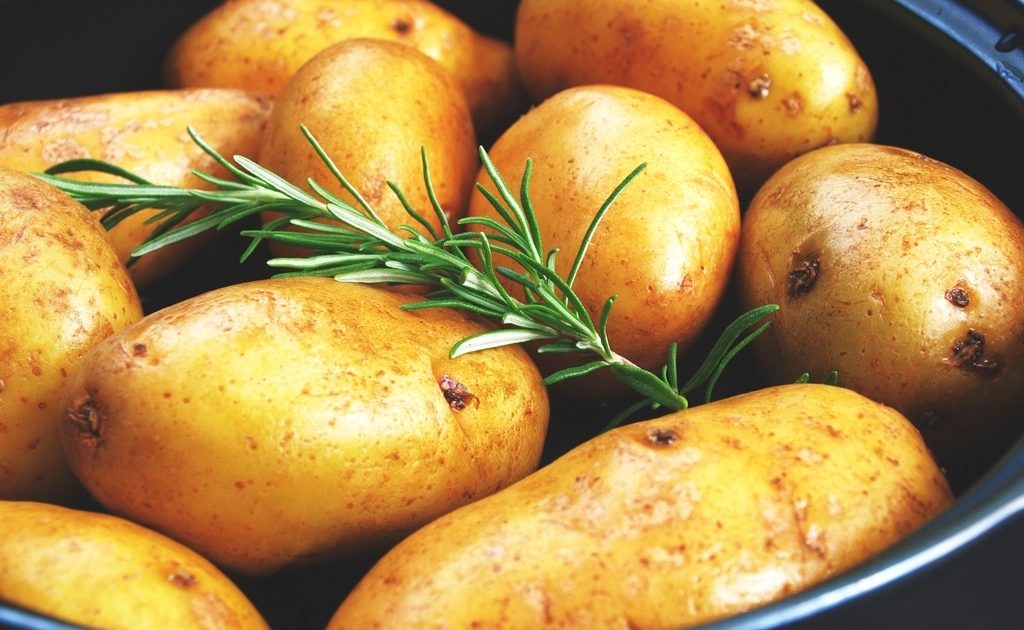
Quietly, because the winner embarrassed everyone. It wasn’t chicken breast, or oatmeal, or anything wearing a health halo. It was the boiled potato — scoring 323, more than three times as filling as white bread, the highest number ever recorded on the index. The food an entire generation of low-carb dieting taught people to fear turned out to be the single best hunger-killer per calorie ever tested.
How the rankings shook out
Some notable scores from Holt’s data, all per 240 calories:
- Boiled potatoes — 323. Untouchable first place.
- Oatmeal (porridge) — 209. Best breakfast performer.
- Oranges — 202 and apples — 197. Whole fruit, not juice.
- Beef — 176, baked beans — 168, eggs — 150, cheese — 146.
- White rice — 138, lentils — 133.
- White bread — 100. The baseline, and a low bar it turns out.
- Ice cream — 96, potato chips — 91, donuts — 68, cake — 65, croissants — 47. The bottom of the table reads like a bakery window.
Notice the pattern at the bottom: the least filling foods per calorie are the most calorie-dense, most processed, and — not coincidentally — the most engineered to be eaten in quantity.
What makes a food filling
Holt’s team found satiety tracked a few measurable properties, and later research has confirmed the mechanics:
- Weight and volume. The single strongest predictor. Foods heavy with water and fiber physically stretch the stomach, and stretch receptors are a primary “stop eating” signal. A pound of boiled potato and a croissant can carry similar calories; only one of them registers as an event in your gut.
- Protein. The most satiating macronutrient calorie-for-calorie — research consistently shows high-protein meals suppress hunger hormones and reduce intake at the next meal. This is why eggs and beef outperform their modest volume.
- Fiber. Slows gastric emptying and digestion, extending the fullness window. The Academy of Nutrition and Dietetics’ fiber recommendation — 25 to 38 grams daily — doubles as satiety advice, since most Americans eat about half that.
- Low energy density. Fewer calories per gram means more food per calorie. USDA data puts most vegetables and fruits under 1 calorie per gram; croissants run about 4, chips about 5.
Why this matters more than willpower
The practical insight is almost subversive: hunger on a diet is partly a food-selection problem, not a character problem. Two people eating identical calorie totals can have wildly different experiences — one grazing croissants and feeling starved by 3 p.m., the other eating potatoes, oats, and eggs and wondering what the fuss is about. Controlled studies on energy density back this up: people served lower-density meals eat fewer calories while reporting equal fullness. The satiety-per-calorie frame quietly explains a lot of diet success stories that get attributed to discipline.
A fair caveat before anyone builds a religion on a 38-food study from 1995: the index measured two hours of fullness in small groups eating single foods in isolation — not mixed meals, not all-day appetite, not weight loss over months. It’s a compass, not a map. But its rankings line up neatly with everything the larger satiety literature has found since, which is why it’s aged so well.
Building meals that defend themselves
- Rehabilitate the potato. Boiled or baked, skin on — not fried, and not drowned in the toppings that turn a 323 into a 96. Cooked-then-cooled potatoes even add resistant starch, a bonus for fullness and gut health.
- Front-load protein. 25–30 grams at each meal — eggs, Greek yogurt, chicken, beans — puts the strongest macronutrient to work at every sitting.
- Start with volume. A broth soup, a salad, or fruit before the main course occupies stomach real estate cheaply. The apple-before-lunch trick is the satiety index applied.
- Eat your calories, don’t drink them. Liquid calories barely register on satiety measures — juice scores far below the fruit it came from. Whole food wherever possible.
- Save the bottom-of-the-table foods for chosen moments. Croissants exist to be enjoyed, not to be breakfast infrastructure. Eat them on purpose, not on autopilot.
FAQ
Are potatoes really diet food? They’re pure carbs.
A plain medium boiled potato is about 160 calories, packed with water, potassium, and enough bulk to top the satiety charts. The trouble was never the potato — it’s the fryer oil, butter, sour cream, and bacon that arrive with it. Preparation decides which end of the index it lands on.
Does the satiety index work for weight gain too — should hardgainers avoid filling foods?
Actually yes, in reverse. People struggling to eat enough calories do better with energy-dense, lower-satiety foods — nuts, oils, smoothies, granola — precisely because they slide under the fullness radar. The index cuts both ways.
Why do sugary foods score so low when they spike energy?
Fast-digesting refined carbs empty quickly, provide little bulk or protein, and in some people trigger a glucose dip an hour or two later that reads as fresh hunger. High reward, low registration — the exact combination that makes overeating effortless.
Is feeling hungry on a diet ever just normal?
Some hunger in a calorie deficit is expected — you’re spending stored energy on purpose. But constant, intrusive hunger usually signals a fixable meal design: too little protein, too little fiber, too many liquid or refined calories. If redesigning meals around high-satiety foods doesn’t help, or appetite feels disordered in either direction, that’s worth a conversation with a registered dietitian or your doctor.
Related reading
Affiliate & medical disclosure: This review is independent and for information only, not medical advice. Some links may be affiliate links; we may earn a commission at no cost to you, which never affects our score. Consult a licensed provider before starting any product.