Strongman-Style Training for Everyday Fitness: Carries, Pulls, and Functional Strength
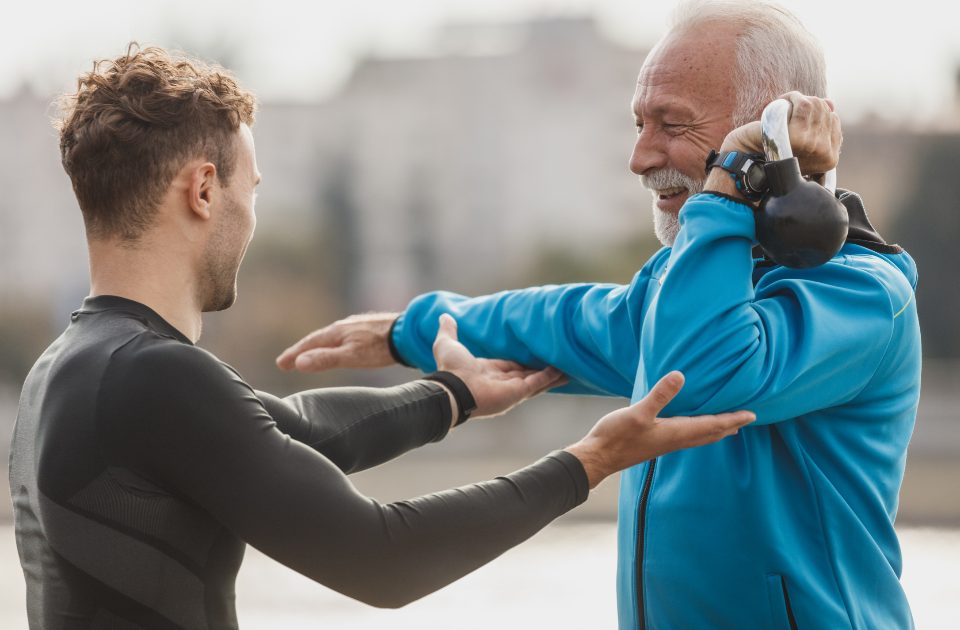
Picture a strongman competitor loading an awkward stone onto a platform, or dragging a loaded sled across a parking lot. It looks like a niche spectacle sport, nothing to do with the average gym-goer. But strip away the competition and what’s left, carrying heavy loads, pushing and pulling odd objects, lifting things off the ground, is arguably closer to how your body actually moves in real life than a seated leg extension machine ever will be.
Strongman-style training has quietly become one of the most respected accessory methods in strength and conditioning, used by athletes and general fitness enthusiasts alike. Here’s what it actually involves, what the evidence says about its benefits, and how to try it without needing a competition-grade gym.
What Counts as Strongman-Style Training
Strongman training centers on a handful of core movement patterns rather than specific exercises: carrying, dragging, pushing, pulling, and lifting odd or awkward loads. Common exercises include farmer’s carries (walking while holding heavy weights at your sides), sled pushes and pulls, tire flips, sandbag or stone lifts, and yoke walks (carrying a heavy frame across your shoulders). What separates these from traditional barbell training isn’t just the equipment, it’s that the loads are often unbalanced, unstable, or awkwardly shaped, forcing your whole body, especially your core and stabilizing muscles, to work harder to control the movement.
What the Evidence Says About Functional Strength
Research on loaded carries and odd-object training consistently shows meaningful improvements in grip strength, core stability, and total-body work capacity, benefits that translate well beyond the gym into everyday tasks like carrying groceries or moving furniture. This carries particular relevance for older adults: research consistently shows that grip strength specifically is one of the more reliable markers correlated with overall functional health and longevity in aging populations, which is part of why loaded carries have become a staple recommendation in strength programs for older adults.
The Academy of Nutrition and Dietetics and most exercise physiology guidance emphasize that varied, full-body strength training, which strongman-style movements deliver by nature, supports the kind of functional capacity that keeps people independent later in life, distinct from purely aesthetic or isolated muscle-building goals. The general strength-training guidance most exercise organizations echo, at least two total-body strength sessions per week, aligns well with incorporating one or two strongman-style sessions rather than needing an entirely separate training block.
Core Strongman Movements for Beginners
- Farmer’s carries: hold a heavy dumbbell or kettlebell in each hand and walk a set distance, keeping your shoulders back and core braced.
- Sled push or drag: push or pull a weighted sled across a set distance, which builds leg drive and cardiovascular capacity with minimal joint impact.
- Sandbag carries or lifts: the shifting, unstable weight of a sandbag forces your core and stabilizers to work harder than a fixed barbell load.
- Tire flips: a full-body, hip-hinge-driven movement that builds explosive power through the legs, hips, and upper body.
- Zercher carries: holding a weight in the crook of your elbows while walking, which heavily challenges the core and upper back.
How to Apply This: A Beginner Strongman-Style Session
You don’t need a strongman gym or competition equipment to get the benefits; many of these movements can be approximated with dumbbells, kettlebells, sandbags, or resistance sleds available at most commercial gyms.
- Warm up (5-10 minutes): light cardio plus dynamic mobility for hips, shoulders, and thoracic spine.
- Farmer’s carries: 3-4 rounds of 30-40 meters, resting 60-90 seconds between rounds.
- Sled push or drag: 3-4 rounds of 20-30 meters at a challenging but controlled pace.
- Sandbag carry or bear hug carry: 3 rounds of 20-30 meters, focusing on a tight core and steady breathing.
- Zercher or suitcase carry (single-side load): 2-3 rounds per side, 20-30 meters.
- Cool down: a few minutes of walking plus light stretching for the grip, forearms, and hips, since these tend to feel the most fatigued after loaded carry work.
Start with loads that let you maintain good posture and controlled breathing throughout; strongman-style training rewards consistency and gradually increasing load far more than it rewards ego lifting with poor form, especially since many of these movements put real demand on the lower back and grip if rushed.
Who Should Be Cautious
Because many strongman movements load the spine under an upright or hinged position, anyone with an existing lower-back injury, hernia, or significant cardiovascular condition should get clearance from a healthcare provider before starting, and ideally learn the movement patterns from a qualified coach first. Pregnant individuals and anyone recovering from recent surgery should also check with their provider, since heavy carries and sled work involve sustained intra-abdominal pressure that isn’t appropriate for every situation.
Why This Style of Training Has Staying Power
Unlike many fitness trends that fade once the novelty wears off, strongman-style training keeps showing up in serious strength programs because it directly trains qualities, grip endurance, core bracing under load, and total-body coordination, that don’t get much attention from machine-based training. It’s also refreshingly simple to scale: the same farmer’s carry pattern works for a 70-year-old using light dumbbells and a competitive athlete using several hundred pounds, just at different loads.
Do I need special equipment to try strongman-style training?
No. Farmer’s carries, sandbag work, and Zercher carries can all be done with dumbbells, kettlebells, or a duffel bag loaded with sand or books. A sled is the one piece of equipment that’s harder to improvise, but most commercial gyms now have one.
Is strongman training safe for beginners?
Yes, when loads are kept manageable and form is prioritized over weight. Starting with lighter loads and focusing on posture, bracing, and breathing is the safest entry point, ideally with some initial coaching on the specific movement patterns.
How often should I do strongman-style training?
One to two sessions per week is enough to see meaningful benefits in grip strength and total-body conditioning, either as a standalone session or added onto an existing strength program.
Will strongman training make me bulky?
Not inherently. Muscle growth depends primarily on overall training volume, calorie intake, and genetics, not the specific style of exercise. Strongman-style movements tend to build functional strength and work capacity rather than the isolated muscle size associated with bodybuilding-style training.
Related reading
Affiliate & medical disclosure: This review is independent and for information only, not medical advice. Some links may be affiliate links; we may earn a commission at no cost to you, which never affects our score. Consult a licensed provider before starting any product.