EMOM Workouts: Structure for People Who Hate Deciding
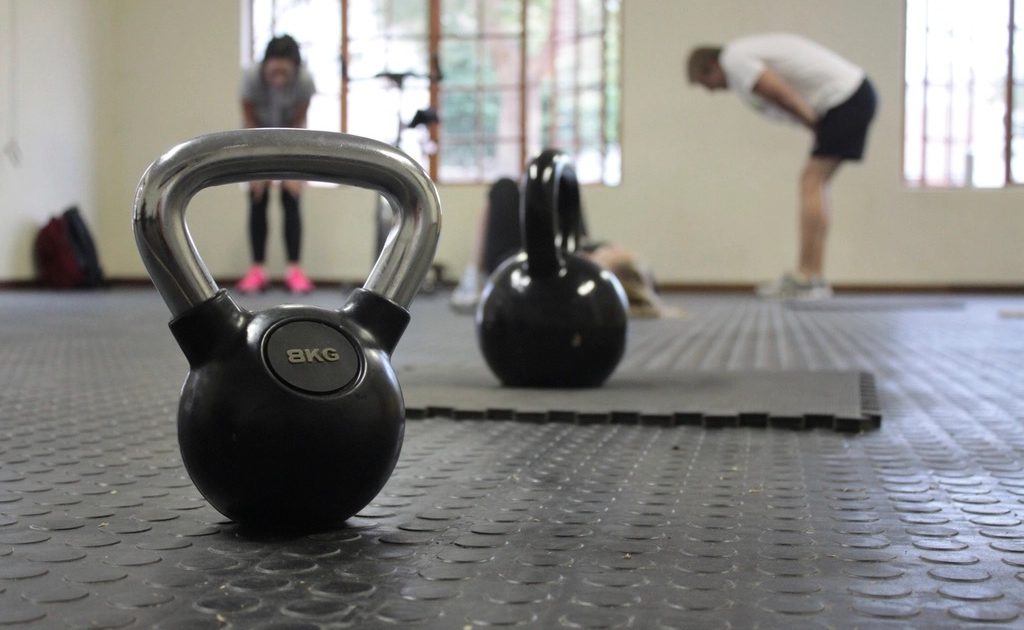
The hardest part of most workouts isn’t the squats. It’s the forty tiny decisions between them — how long do I rest, should I do another set, is twelve minutes on this bench enough, what’s next? Decision fatigue kills more gym sessions than sore legs ever did. Some people thrive on freestyle training. The rest of us stand between machines, scrolling.
EMOM — every minute on the minute — deletes the decisions. A clock runs. At the top of each minute you do a prescribed bit of work; whatever’s left of that minute is your rest; when the next minute starts, so do you. For twenty minutes, the only choice you make is “keep going.” For a certain kind of brain, that’s not a gimmick. It’s the whole solution.
How EMOM actually works
Say the workout is “20-minute EMOM: 10 kettlebell swings.” Minute one starts, you do 10 swings in about 25 seconds, then rest for the remaining 35. Minute two begins — swing again. Twenty rounds later you’ve done 200 swings with built-in, self-adjusting rest.
That self-adjustment is the clever part. Move fast and you earn longer rest. Slow down as fatigue builds and your rest shrinks — the workout automatically gets harder exactly when you’re flagging, which keeps intensity honest without a coach yelling at anyone.
Common formats:
- Single-move EMOM: one exercise, every minute. Brutally simple conditioning.
- Alternating EMOM: odd minutes one exercise, even minutes another — say, rows and push-ups. Each muscle group rests two minutes while you stay moving.
- Rolling 3- or 4-minute blocks: minute 1 squats, minute 2 presses, minute 3 carries, repeat. Basically circuit training with a metronome.
- Strength EMOM: 2-3 heavy reps at the top of each minute for 8-10 minutes. A surprisingly effective way to accumulate quality volume with short rests.
Why the structure works on humans, not just muscles
There’s decent psychology under the stopwatch. Research on exercise adherence consistently shows that reducing friction — fewer choices, clearer plans, shorter perceived commitments — predicts whether people keep showing up better than motivation does. A workout that says “survive the next minute, twenty times” chunks the suffering into pieces your brain can accept.
It also solves the accidental-slacking problem. Left alone, most people rest far longer than they think — one glance at a phone and ninety seconds evaporates. The minute boundary caps that drift. On the flip side, chronic under-resters (you know who you are) get forced recovery windows instead of sloppy, panting reps.
And it’s time-capped by design. A 20-minute EMOM takes exactly 20 minutes. For meeting the CDC’s baseline — 150 minutes of moderate-to-vigorous activity per week plus muscle-strengthening work on two or more days — a format with a guaranteed end time removes the “I don’t have an hour” excuse that interval-training researchers have long flagged as the most-cited barrier to exercise. Time efficiency is the main reason high-intensity interval formats keep ranking near the top of the American College of Sports Medicine’s annual worldwide fitness trends survey.
Setting the dose so you don’t blow up
The classic EMOM mistake is programming minute one for the person you are at minute one, forgetting you’ll meet minute fifteen later. The work interval should take 30 to 40 seconds when fresh — no more. If 10 burpees takes you 45 seconds fresh, it’ll take 55 by minute twelve, your rest disappears, and the workout collapses into ugly continuous cardio with worse form.
A sane starter template, three days a week:
- Day 1 — 16-minute alternating EMOM: odd minutes 8-12 goblet squats, even minutes 6-10 push-ups (incline if needed).
- Day 2 — 12-minute EMOM: 10-12 kettlebell swings or 8 dumbbell rows per side, alternating.
- Day 3 — 20-minute rolling block: minute 1: 40 seconds brisk step-ups or bike; minute 2: 8 lunges per leg; minute 3: 30-second plank; minute 4: rest. Repeat five times.
Pick rep counts that leave you at least 15 seconds of rest in the final round. Finished every round on time for two sessions straight? Add a rep, not five.
The fine print nobody puts in the Instagram caption
My gripe with EMOM culture: the format gets sold as universally superior, when it’s really a scheduling technology. The minute doesn’t care about your form — and when the clock says go but your lower back says wait, the clock tends to win the argument. That’s how tired, rushed reps happen. Heavy technical lifts (deadlifts especially) under a countdown are where EMOMs earn their injury stories. Keep the complex stuff early, light, or out of the format entirely.
EMOMs are also mediocre for pure strength peaks — maximal lifting wants 3 to 5 minutes of rest, which meta-analyses on rest intervals suggest genuinely matters for top-end strength, and no minute contains that. And beginners with no baseline should build two or three weeks of untimed practice first; adding a clock to movements you haven’t learned is just chaos with a beep. Anyone with heart conditions or joint issues should get a provider’s sign-off before high-intensity intervals, same as any vigorous program.
Is EMOM cardio or strength training?
It’s a container, not a category. Fill the minutes with swings and burpees and it’s conditioning; fill them with heavy doubles and long rests and it’s strength work. Most people land in the middle — muscular endurance with a cardio tax — which is honestly what most general-fitness folks need anyway.
How many days a week can I do EMOMs?
Three hard EMOM sessions a week with a day between is plenty for most people. The format’s intensity is sneaky — the forced pace accumulates fatigue faster than casual training — so treat it like interval work, not like a daily walk.
What if I can’t finish the reps within the minute?
That’s the workout telling you the dose was wrong, not that you failed. Cut the reps by 20 percent next round, or scale the movement (knees-down push-ups, lighter bell). An EMOM you complete beats a fantasy EMOM you abandon in round nine.
Do I need equipment?
No. Push-ups, squats, lunges, planks, mountain climbers, and stair runs cover months of programming. One kettlebell or a pair of dumbbells roughly doubles the menu. The clock — any phone timer with interval beeps — is the only non-negotiable gear.
Related reading
Affiliate & medical disclosure: This review is independent and for information only, not medical advice. Some links may be affiliate links; we may earn a commission at no cost to you, which never affects our score. Consult a licensed provider before starting any product.