Seasonal Eating: Aligning Your Diet With What’s Actually in Season
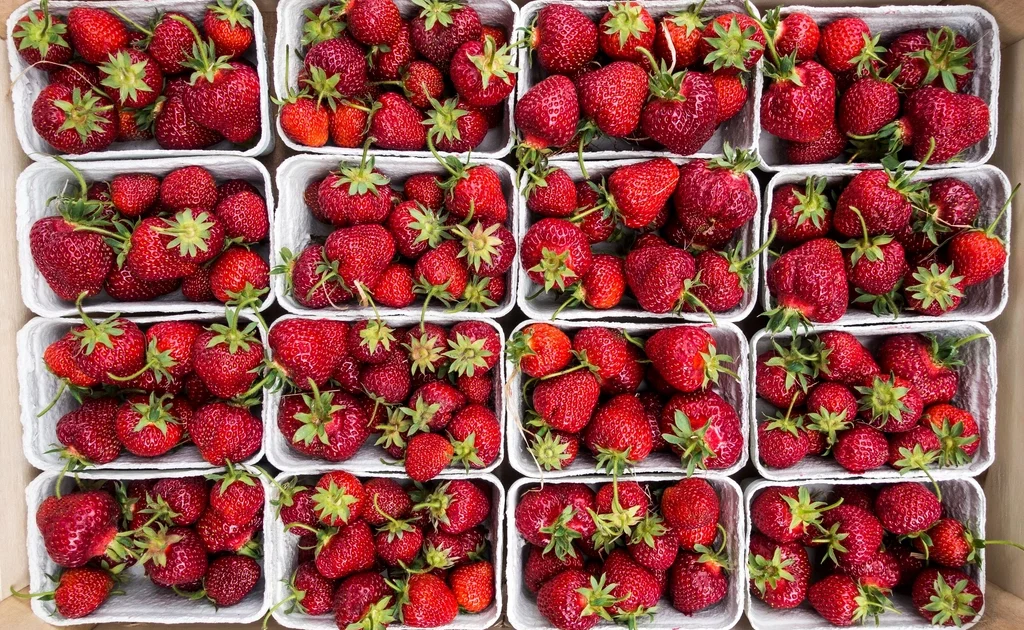
A tomato bought in January and a tomato bought in August can taste like two completely different foods — one pale, mealy, and picked weeks before it was ripe for a long trip across the globe; the other deep red, sweet, and harvested days ago from a farm nearby. The difference isn’t really about “eating clean” or any wellness buzzword. It’s about produce being allowed to ripen naturally and reaching your plate while it’s still fresh.
Seasonal eating means building meals around what’s actually being harvested locally at a given time of year, rather than relying on the year-round global supply chain that’s made nearly every fruit and vegetable available in every season, regardless of climate. It’s a simple shift in shopping habits with real benefits for flavor, nutrition, and often your grocery bill.
What “Seasonal Eating” Actually Means
Modern grocery stores stock strawberries in December and squash in June, made possible by global shipping, greenhouse growing, and long-term cold storage. Seasonal eating pushes back against that default by prioritizing produce that’s naturally being harvested in your region during the current time of year — asparagus and peas in spring, tomatoes and berries in summer, squash and apples in fall, and hardy greens and root vegetables in winter.
This doesn’t require an all-or-nothing approach. Even shifting a portion of your produce choices toward what’s in season, most of the time, captures much of the benefit without requiring a complete overhaul of how you shop or cook.
Why Seasonal Produce Often Tastes Better
Flavor is one of the most noticeable differences, and there’s a practical reason for it. Produce picked at peak ripeness and eaten soon after has more time to develop natural sugars and aromatic compounds than produce picked early to survive a long shipping journey. Out-of-season produce is frequently harvested before full ripeness specifically so it can withstand transport, which is part of why an off-season tomato or peach can taste noticeably blander than the same fruit in its natural season.
This is also where nutrition and flavor overlap. Research consistently shows that produce nutrient content, particularly vitamin C and certain antioxidants, can decline measurably during prolonged storage and transport, meaning fresher, in-season produce often delivers more of its original nutritional value by the time it reaches your plate.
The Nutritional Case for Eating in Season
Beyond flavor, timing affects nutrient density in measurable ways. Fruits and vegetables typically reach their peak vitamin and mineral content when allowed to fully ripen before harvest, a process more common with in-season, locally available produce than with items picked early for long-distance shipping.
- Vitamin retention: Nutrients like vitamin C are sensitive to time and storage conditions, and levels can drop the longer produce sits between harvest and consumption.
- Fiber intake: Seasonal eating often naturally increases variety across the year, which supports a broader range of fiber sources — useful given that the Academy of Nutrition and Dietetics notes most adults fall short of the recommended 25-38 grams of fiber per day.
- Antioxidant content: Many antioxidant compounds in fruits and vegetables are highest at peak ripeness, another reason freshly harvested, in-season produce tends to test higher than out-of-season alternatives picked early.
Practical and Budget Benefits
Seasonal produce is also frequently less expensive, for a straightforward supply-and-demand reason: when a crop is in peak local season, supply is abundant and transport distances are shorter, both of which tend to lower prices compared to sourcing the same item from a distant region or greenhouse during its off-season. Buying what’s currently overflowing at a local farmers market or grocery produce section is often one of the simplest ways to stretch a food budget without sacrificing quality.
How to Start Eating Seasonally: A Practical Plan
You don’t need to memorize a regional harvest calendar to get started. A simple, sustainable approach looks like this:
- Start at the produce section, not the recipe. Instead of shopping from a fixed recipe list, walk through the produce aisle or farmers market first and build meals around what looks freshest and best priced that week.
- Check for seasonal signals. Abundant supply, lower prices, and better appearance are all practical cues that something is in season, even without checking a calendar.
- Visit a local farmers market when possible. Farmers markets are typically stocked almost entirely with in-season, locally grown produce, making seasonal choices easy by default.
- Keep a short list of year-round staples. Some produce, like carrots or onions, stores well and is available affordably most of the year — there’s no need to treat seasonal eating as an all-or-nothing rule.
- Learn 2-3 go-to preparations per season. Having a handful of simple recipes for whatever’s in season (a roasted fall vegetable medley, a summer tomato salad) makes the habit easier to sustain long-term.
A Sample Week of Seasonal Swaps
To make this concrete, here’s how a typical swap might look depending on the season: in summer, favor tomatoes, corn, zucchini, peaches, and berries; in fall, shift toward squash, apples, pears, and root vegetables; in winter, lean on citrus, hardy greens like kale, and stored staples like potatoes and cabbage; in spring, prioritize asparagus, peas, spinach, and early strawberries. None of this requires giving up other produce entirely — it’s simply about making seasonal options the default choice more often than not.
Does seasonal produce really have more nutrients than out-of-season produce?
Often, yes, though the difference varies by food and storage conditions. Research consistently shows that time between harvest and consumption affects nutrient retention, particularly for vitamin C, so freshly harvested, in-season produce generally has an edge over produce that traveled long distances or sat in storage.
Is frozen produce a good alternative when something isn’t in season?
Yes. Frozen fruits and vegetables are typically flash-frozen at peak ripeness shortly after harvest, which often preserves nutrients better than fresh produce that’s been shipped long distances out of season and sat on shelves for days.
Do I need to shop only at farmers markets to eat seasonally?
No. Regular grocery stores usually mark down or feature in-season produce due to abundant supply and lower cost, so seasonal eating is achievable at a standard supermarket with a bit of attention to what’s featured and reasonably priced.
Is seasonal eating more expensive than regular grocery shopping?
Generally it’s less expensive, not more, since in-season produce tends to be more abundant and cost less to transport, which usually translates into lower prices compared to out-of-season alternatives.
Related reading
Affiliate & medical disclosure: This review is independent and for information only, not medical advice. Some links may be affiliate links; we may earn a commission at no cost to you, which never affects our score. Consult a licensed provider before starting any product.