Beyond Canned Tuna: A Shopper’s Guide to Mackerel, Sardines, and Tinned Salmon
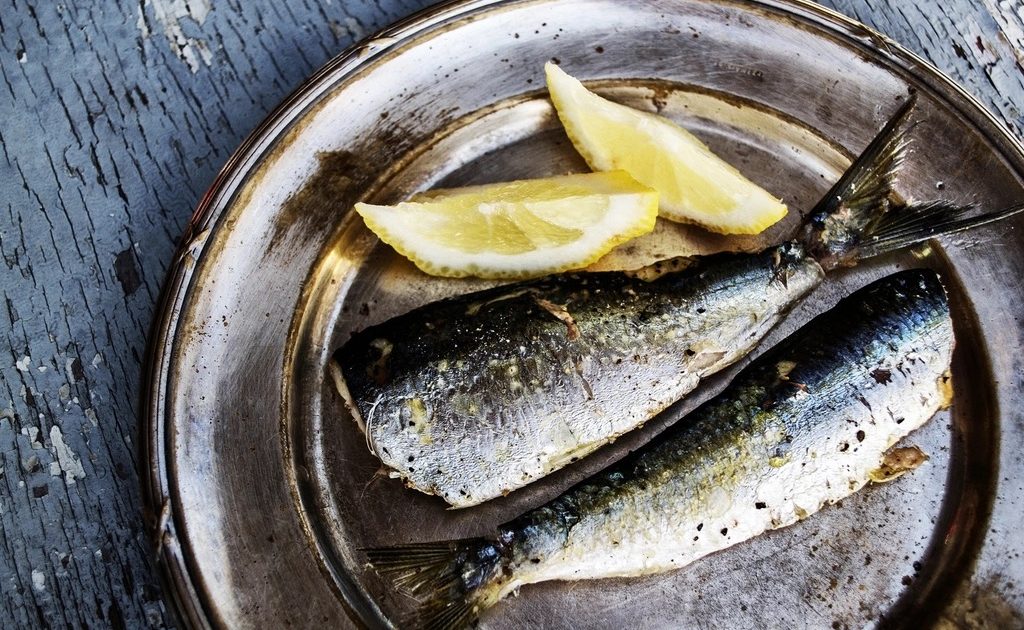
Most Americans’ relationship with canned fish begins and ends with tuna — the beige workhorse of desk lunches. Meanwhile, one shelf down, the mackerel, sardines, and tinned salmon sit ignored, quietly offering more omega-3s, less mercury worry, and often a lower price per actual gram of protein. Europe figured this out generations ago; walk into a Spanish or Portuguese grocery and tinned fish has its own proud aisle, sometimes its own restaurants.
If you already know sardines are “good for you,” this isn’t that article. This is the practical one: which tin to buy for which job, what the labels mean, where the mercury actually hides, and how to eat the stuff if fish-from-a-can makes you nervous.
The lineup, compared honestly
- Sardines — the small, whole fish. Around 20 grams of protein per typical can, among the richest common sources of EPA and DHA omega-3s, and because they’re low on the food chain, among the lowest in mercury. Soft edible bones (you won’t notice them, promise) supply meaningful calcium. Strongest flavor of the group — the honest cost of the best nutrition-per-dollar tin on the shelf.
- Mackerel — the crucial nuance fish. Canned Atlantic or chub mackerel is oily, rich, milder than sardines, and low in mercury; the FDA lists Atlantic mackerel among its “Best Choices.” King mackerel, by contrast, sits on the FDA’s short avoid list for mercury alongside shark and swordfish. Same word, very different fish — read the tin.
- Canned salmon — mostly wild-caught Alaskan pink or sockeye, often cheaper per serving than fresh salmon by a wide margin. Mild, familiar, family-friendly. “With bones” versions add calcium; boneless-skinless trades that away for convenience.
- Tuna, for reference — fine protein, but light on omega-3s compared with the oily trio above, and albacore carries roughly three times the mercury of skipjack “light” tuna, which is why the FDA suggests limiting albacore to about one serving a week for pregnant women.
- The fancy fringe — smoked trout, anchovies, tinned octopus. Anchovies deserve rehabilitation as a seasoning: one melted fillet makes tomato sauce taste expensive and adds no detectable fishiness.
Why bother swapping any of this in
The nutrition case is short and solid. The American Heart Association recommends two servings of fish weekly, preferably oily fish, based on cardiovascular outcome data; the FDA and EPA’s joint guidance says 2 to 3 servings from their Best Choices list. Most Americans don’t get close — average intake runs well under the recommended amount — and cost plus prep friction are the usual reasons. Canned solves both: no smell in the kitchen, no skill required, twelve-month shelf life, and the oily species in tins deliver the same EPA and DHA as their fresh versions. Research consistently shows canning preserves omega-3 content well; these aren’t the nutritional consolation prize.
The budget math is where tins really flex. Compare cost per 20 grams of protein and sardines or store-brand mackerel routinely beat chicken breast, and demolish fresh salmon. For anyone trying to eat more protein on a grocery budget that keeps shrinking, the tinned aisle is quietly one of the best deals in the store.
Reading the tin like you mean it
- Packed in what? Olive oil tastes best and suits salads; water keeps calories lowest; “soybean oil” is the cheap default. Drain any of them and the difference shrinks.
- Salt check. Sodium ranges wildly — 200 to 500-plus milligrams per can. “No salt added” versions exist for sardines and salmon and season perfectly well at home.
- Which mackerel? Atlantic or chub: buy freely. King: skip, per FDA mercury guidance. Most cheap canned mackerel is the safe kind, but the label settles it.
- Bones or boneless? With sardines and salmon, bones-in means calcium — several hundred milligrams per serving in bone-in salmon. The bones are soft, edible, and invisible once mashed.
- Skip the flavor-sauce tins at first. Tomato- and mustard-sauced sardines are polarizing; learn your baseline preference in olive oil before gambling.
Getting them into actual meals
The gateway strategy, ranked by training-wheels level:
- Level 1 — hidden: canned salmon anywhere tuna went: salmon salad sandwiches, patties with egg and breadcrumbs, pasta salad. Nobody blinks.
- Level 2 — mashed: sardines mashed on buttered toast with lemon, black pepper, and hot sauce. The classic for a reason; the lemon does heavy lifting.
- Level 3 — visible: mackerel flaked over rice with soy sauce, scallions, and sesame oil, or into a grain bowl with cucumbers and yogurt sauce.
- Level 4 — European: good tinned fish, crusty bread, olives, a tomato — dinner, no cooking, faintly glamorous.
My gripe, since honesty was promised: the recent “tinned fish is chic” wave has spawned $12 designer sardine tins with beautiful typography and the same fish as the $2 can. The wrapper is lovely; the omega-3s cannot read. Buy the cheap tin, spend the difference on good bread. Also, canned fish ceilings out on texture — a sardine will never be a seared fillet, and pretending otherwise sets people up to quit. It’s a different food that happens to share a species.
One genuine caution: people on blood thinners, pregnant, or managing gout should route fish-frequency questions through their provider — oily fish is broadly encouraged in pregnancy via the low-mercury choices, but individual medical context matters.
Is canned fish as healthy as fresh?
For the oily species, essentially yes on the measures that matter — omega-3 content survives canning well, protein is identical, and bone-in versions actually add calcium fresh fillets lack. Sodium is the one column where fresh wins by default; low-salt tins close the gap.
How many cans a week is reasonable?
Built from low-mercury species — sardines, Atlantic mackerel, salmon, skipjack tuna — two to four servings weekly sits comfortably within FDA/EPA guidance for adults. The mercury-driven limits are mostly about the big predators, not the small oily fish.
What about the BPA-in-cans worry?
Much of the industry has moved to non-BPA linings, and many brands state it on the label. If it concerns you, choose those tins — the fish inside is the same. Regulators including the FDA currently hold that dietary BPA exposure at typical levels is safe, but the labeled option makes the question easy to sidestep.
I genuinely can’t handle the fishiness. Any hope?
Start with canned salmon (mildest), lean on acid and fat — lemon, vinegar, mayo, butter — which neutralize fishy notes, and try the fish warm on toast rather than cold from the tin. If sardines still lose you, mackerel in olive oil is the softest step down the oily-fish ladder.
Related reading
Affiliate & medical disclosure: This review is independent and for information only, not medical advice. Some links may be affiliate links; we may earn a commission at no cost to you, which never affects our score. Consult a licensed provider before starting any product.