Redeem Therapeutics vs Standard CBD: Is the Water-Soluble Tech Worth It?
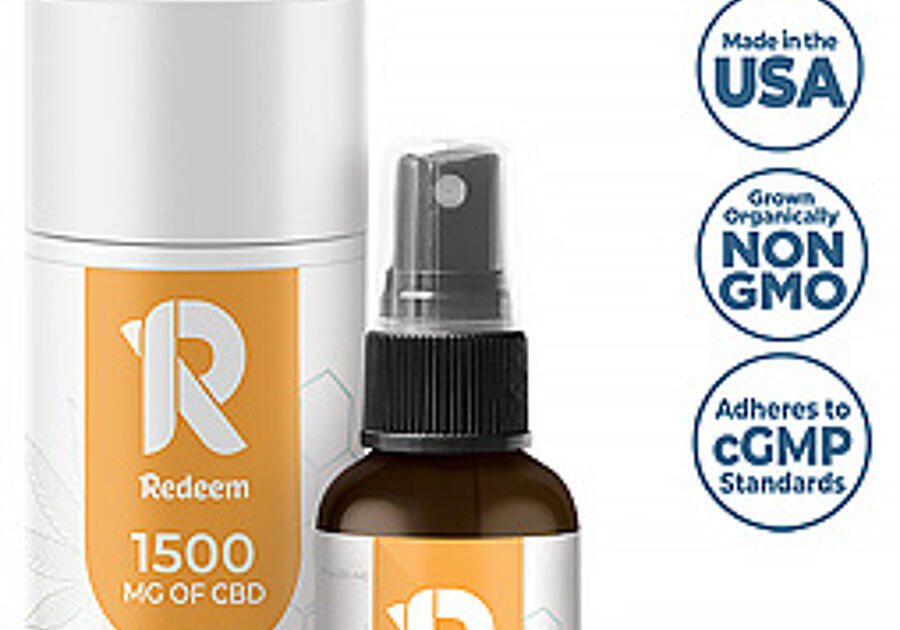
Most CBD tinctures come with a dropper. Redeem Therapeutics hands you a spray bottle instead, and that little design choice is really the whole pitch. The brand leans hard on the idea that its water-soluble, emulsified hemp extract gets more CBD into your bloodstream than the oil sitting in a competitor’s amber bottle. So the honest question for anyone weighing Redeem Therapeutics vs standard CBD is simple: does the water-soluble tech actually earn the price, or is it clever packaging?
I dug through Redeem’s own product pages, its emulsification explainer, and independent lab-report listings to sort the marketing from the mechanism. Here’s what holds up.
Redeem Therapeutics vs standard CBD: what “water-soluble” really means
CBD is fat-loving. Drop plain CBD oil into your stomach and a big chunk never makes it into circulation, because oil and blood don’t mix and the liver chews up a lot of what does get absorbed. That’s the “first-pass” problem, and it’s why bioavailability estimates for swallowed CBD oil are often quoted in the low double digits or worse.
Emulsification is the workaround. Break the oil into tiny droplets, wrap them so they disperse in water, and the theory says your body grabs more of the cannabinoid, faster. Redeem builds its products around this — a spray delivery you mist into the mouth for that thinner-tissue, under-the-tongue route, plus a line of nano-emulsified fast-acting items. The brand’s own framing is that emulsified products “deliver faster, stronger results.” That mechanism is legitimate chemistry. Nanoemulsions do improve absorption in lab and animal work, and sublingual delivery genuinely sidesteps some of the gut-and-liver losses.
My gripe: nobody selling you nano-CBD, Redeem included, publishes a head-to-head human trial showing exactly how many milligrams end up in your blood versus a standard oil. “Maximum bioavailability” is a claim, not a number you can check on the label. Treat the faster onset as plausible and the exact multiplier as unproven.
What Redeem actually sells, and what it costs
Redeem’s catalog is tighter than the mega-brands, which I actually like. The core is the spray tincture in full- and broad-spectrum, backed by gummies, a pain cream, and pet drops. Everything is certified-organic hemp from the Carolinas, made in a cGMP-standard facility, and third-party tested. Some quick cost-per-mg math, because that’s the number that matters:
| Product | CBD | Price | Cost / mg | Notes |
|---|---|---|---|---|
| 750mg Full-Spectrum Spray | 750mg | $44.99 | ~$0.060 | Starter size, spray delivery |
| 1500mg Full/Broad Spray | 1500mg | $69.99 | ~$0.047 | The flagship 50mg/ml |
| 3000mg Broad Spray (THC-free) | 3000mg | $89.99 | ~$0.030 | Best value per mg |
| Sleep Gummies (+CBN, melatonin) | 1500mg | $39.99 | ~$0.027 | 25mg each, goal-specific |
| Typical “standard” bulk CBD oil | 1000mg | ~$25–35 | ~$0.025–0.035 | Dropper, no emulsification |
See the pattern? Redeem’s low-strength spray runs about double the cost per mg of a no-frills 1000mg oil. Scale up to the 3000mg bottle and the gap nearly closes. So the “water-soluble premium” is real at small sizes and mostly evaporates at the big one. If you’re going to buy Redeem, buy up.
One practical quirk of the spray worth flagging: it’s harder to dose precisely than a marked dropper. Each bottle lists 50mg per ml, but counting pumps to hit an exact milligram target takes some trial and error the first week. Not a dealbreaker, just a thing droppers do better. On the transparency side, Redeem does the stuff I want to see — certified-organic sourcing, a cGMP facility, and independent lab reports that confirm the labeled potency and screen for contaminants. The brand also runs a “Hero Program” discount for military, first responders, medical staff and teachers, which quietly knocks that cost-per-mg down for the people who qualify. That’s a genuine value lever, not just a badge.
The spectrum choice matters too. Full-spectrum keeps trace THC — legal hemp stays at or under 0.3% delta-9 THC by dry weight under the 2018 Farm Bill — and some people prefer that “entourage” blend. Broad-spectrum and the THC-free 3000mg strip the THC out, which is the safer pick if you get drug tested. Worth saying plainly: even trace-THC full-spectrum products have flagged drug tests for some users, and the FDA notes CBD can show up on screenings. Redeem posts lab reports, so match the batch COA to the bottle before you commit.
Who the water-soluble tech is actually for
If your main frustration with CBD is that it takes forever to feel anything, the spray and nano formats have a fair shot at helping — faster onset is the one benefit emulsification most reliably delivers. Same if you hate the greasy dropper routine or you’re chasing a specific goal like sleep, where the CBN-and-melatonin gummy is a sensible formula.
Skip it if you just want the cheapest milligrams on the shelf, or if you’re a “swallow a capsule and forget it” person who doesn’t care about onset speed. For you, a plain, well-tested standard oil does the job for less. And a reminder that applies to every brand here, Redeem included: none of this is FDA-approved to treat, cure, or prevent anything, CBD can interact with medications (grapefruit-warning drugs are the classic red flag), and you should loop in your doctor if you take prescriptions.
Frequently asked questions
Is Redeem Therapeutics’ water-soluble CBD really better absorbed than regular oil?
The mechanism is sound — emulsified, sprayed CBD should absorb faster and more efficiently than oil you swallow. What’s missing is brand-specific human data proving a precise bioavailability number. Expect quicker onset; don’t expect a lab-verified multiple.
Does a CBD spray work differently from a dropper tincture?
Mostly it’s about coverage and habit. A spray mists extract across the mouth and under the tongue, where thin tissue absorbs some cannabinoids before they hit the gut. A dropper can do the same if you hold it under your tongue. The spray just makes that easier to do consistently.
Is Redeem’s full-spectrum spray safe if I get drug tested?
Risky. Full-spectrum contains trace THC that can accumulate and trip a screening. If testing is a concern, go with the broad-spectrum or the THC-free 3000mg bottle instead, and still check the batch lab report.
Is Redeem worth the higher price versus standard CBD?
At the small 750mg size, you’re paying a clear premium for the tech and the organic, cGMP sourcing. At the 3000mg size the cost per mg lands close to ordinary oil, which is where Redeem makes the most sense. Buy the bigger bottle and the “worth it” math tilts in your favor.
Related reading
Affiliate & medical disclosure: This review is independent and for information only, not medical advice. Some links may be affiliate links; we may earn a commission at no cost to you, which never affects our score. Consult a licensed provider before starting any product.