Koi Kratom Gummies vs Other Kratom Gummy Brands in 2026
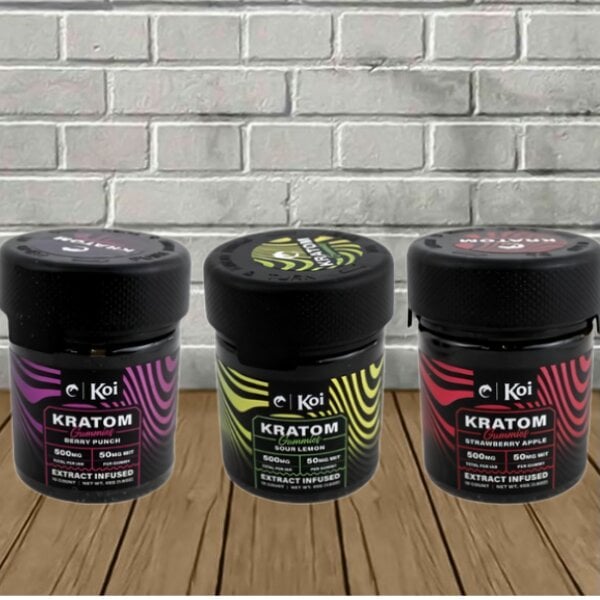
Walk into any smoke shop and ask for kratom gummies, and you’ll get handed something that might contain 5mg of mitragynine or 50mg, with nothing on the front to tell them apart. That gap is the whole problem with shopping this category. Koi Kratom gummies sit at the loud end of it: 50mg of mitragynine per piece, 500mg in a 10-count jar, printed right on the label. This is a comparison of how those gummies stack up against the other kratom gummy brands you’ll actually run into, and where Koi wins, ties, or asks you to pay for a name.
First, the housekeeping, because it matters more with kratom than almost anything else on a wellness shelf. Kratom is not approved by the FDA for any use, and the agency has repeatedly flagged safety concerns, including reports of dependence with regular use. It’s banned outright in a handful of states and some counties, so a jar that ships to your neighbor may not ship to you. Nobody should be driving or operating anything heavy after taking it, you have to be 21+ to buy it in most places that allow it at all, and if you take prescription meds, that’s a conversation for a doctor first. Start low. Every honest kratom write-up says the same thing, and I’m not going to pretend otherwise to sell a gummy.
What makes Koi Kratom gummies different from the pack
The 50mg number is the headline. A lot of the kratom gummies floating around the market land somewhere between 5mg and 15mg of mitragynine per piece, which is fine for someone easing in but means a “serving” is three or four gummies and the math gets fuzzy fast. Koi went the other direction and packed a full extract dose into one chew. Three flavors — Berry Punch, Sour Lemon, and Strawberry Apple — and each jar is labeled with both the total (500mg) and the per-gummy figure (50mg), which is exactly the transparency the category usually lacks.
That potency is a double-edged thing. If you already know your tolerance, one gummy is a clean, portable, no-scale dose, and the cost-per-milligram tends to beat the little confetti-dose gummies once you do the arithmetic. If you’re new, 50mg is a lot to swallow in a single tasty piece, and the obvious move — cutting the gummy in half or quarters — is exactly what Koi’s own dosing guidance points toward. The flavor masks the bitterness well, which is genuinely nice and also the reason to respect it: kratom that tastes like candy is easy to overdo.
Koi Kratom gummies vs other kratom gummy brands
| Factor | Koi Kratom Gummies | Typical mainstream kratom gummies | Premium extract-shot brands |
|---|---|---|---|
| Mitragynine per piece | 50mg, stated on label | ~5–15mg, often vague | Sold as shots, not gummies (~45–150mg+) |
| Format | Gummy, 10-count jar | Gummy, larger counts | Liquid shot bottles |
| Dose control | Good — cut into halves/quarters | Fine-grained by piece count | Hard to split precisely |
| Third-party COAs | Yes, batch-specific | Varies widely by brand | Usually yes for the big names |
| Best for | Experienced users wanting a clean single dose | Beginners micro-dosing | People who want fast, high potency |
Where Koi genuinely separates from the low-dose gummy crowd is that single-piece precision plus published lab work. A batch-specific certificate of analysis, verifying the mitragynine content actually matches the label, is the one thing worth insisting on in a category with no federal quality floor. Plenty of gummy brands bury or skip it. Koi backs its numbers with accredited third-party testing, and that’s the part I’d pay for.
Against the extract-shot heavyweights, it’s a different comparison, because those aren’t gummies at all. If you want the highest hit and don’t care about splitting a dose, a 150mg shot does that. But shots are awkward to portion, easy to over-pour, and less pleasant to carry around than a jar of gummies. The gummy format is the whole appeal here: discreet, pre-measured, and pocketable. You trade a little peak intensity for a lot of convenience.
The value math, honestly
Here’s the one gripe. A 10-count jar at 50mg each is 500mg of mitragynine total, and Koi’s per-jar price is premium — you’re paying for the brand, the flavor work, and the testing, not just the alkaloids. If you’re a heavy daily user, cheaper bulk powder gets you more milligrams per dollar, no question. What the gummy buys you is knowing exactly what you took, a jar that won’t leak in a bag, and something that doesn’t taste like lawn clippings. Whether that’s worth the markup depends entirely on how you use it. Divide the jar price by 500 to get your true cost per milligram, then compare that number — not the sticker — against anything else.
So who’s it for? Someone who already knows kratom, wants a repeatable single-serving dose without a scale, and cares enough about quality to want the COA behind it. If you’re brand new, either start with a fraction of one gummy or begin with a lower-dose product entirely. And read your state and county rules before you order, because that’s the part no gummy label solves for you.
Frequently asked questions
Are Koi Kratom gummies stronger than most other kratom gummies?
Generally, yes. At 50mg of mitragynine per gummy, Koi sits well above the 5–15mg range common among mainstream kratom gummy brands. That makes a single Koi piece roughly equivalent to several standard gummies, which is why splitting one is a reasonable move for anyone who isn’t already tolerant.
How many Koi Kratom gummies should a first-timer take?
Less than one. Because each gummy is 50mg, a newcomer is better off cutting a gummy in half or into quarters and waiting a full hour to feel the effect before considering more. Kratom onset isn’t instant, and taking a second dose too soon is the classic beginner mistake.
Do Koi Kratom gummies come with lab results?
Yes. Koi provides batch-specific third-party certificates of analysis that verify mitragynine content. In a category with no FDA quality standards, that lab paperwork is the single most useful thing separating a trustworthy kratom gummy from a mystery jar, so it’s worth actually pulling up before you buy.
Is kratom legal everywhere in the US?
No. Kratom is banned in several states and some local jurisdictions, and rules change. It also isn’t FDA-approved, and the agency has warned about dependence and other risks with regular use. Check your own state and county law before ordering any kratom product, Koi included, and keep it away from anyone under 21.
Related reading
Affiliate & medical disclosure: This review is independent and for information only, not medical advice. Some links may be affiliate links; we may earn a commission at no cost to you, which never affects our score. Consult a licensed provider before starting any product.