myLAB Box vs Going to the Clinic: At-Home Testing Compared for 2026
My friend Dana put off getting tested for six months because the only clinic near her closed at 4 p.m., which is exactly when she clocks out. That gap between “I should do this” and “I have time to do this” is the whole reason at-home kits exist. So the real question isn’t whether myLAB Box works. It’s how myLAB Box vs going to the clinic shakes out once you weigh the four things that actually matter: what it costs, how private it is, how fast you get answers, and whether the accuracy holds up.
None of those four line up neatly in one direction. At-home testing wins two of them clearly, splits a third, and loses the fourth in specific situations you should know about before you order. Here’s how each one plays out.
Cost: closer than the marketing suggests
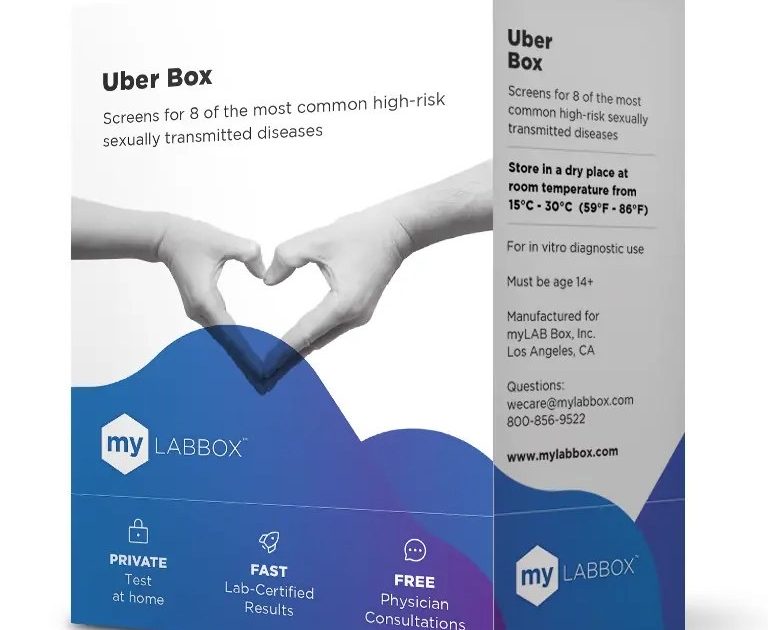
myLAB Box runs from $99 for a single Vitamin D test up to $379–$409 for the Total Box, a 14-condition panel. The Uber Box, which screens for 8 of the most common STIs, sits at $209. There are no copays and no insurance middleman, and shipping is free over $150. That flat pricing is the appeal: you know the number before you commit.
A clinic can undercut that if you’re insured. A covered STI screen might cost you a $20–$40 copay, sometimes nothing at all under preventive-care rules. But “if you’re insured” is doing heavy lifting there. Uninsured, or on a high-deductible plan before you’ve hit the deductible, and a clinic panel plus the lab draw can climb past $200 fast. So the cost verdict depends entirely on your coverage, not on which method is objectively cheaper. I’ve seen it break both ways.
Privacy: this is where at-home testing runs away with it
No waiting room. No front-desk conversation. No line item on a shared family insurance statement, which for a lot of people on a parent’s or spouse’s plan is the actual deal-breaker. myLAB Box ships discreetly, stores results in HIPAA-compliant online accounts, and never touches your insurance unless you choose to involve it. If avoiding that paper trail is why you’ve been stalling, the kit solves a problem the clinic structurally can’t.
Speed: a wash, with an asterisk
Collecting the sample takes about five minutes. Once the lab receives it, results post to your account in 2 to 5 days. That’s competitive with most clinics. The asterisk is the mail. Order today, and you’re waiting on shipping to you, then your turnaround, then shipping back — realistically a week, maybe more if you sit on the kit. A clinic that draws blood on the spot and calls in three days can genuinely be faster end to end. If you’re testing because of a specific recent exposure and you’re anxious, that lag is real.
Accuracy: the part people worry about for the wrong reason
The samples don’t get analyzed in a warehouse. myLAB Box sends them to CAP- and CLIA-certified high-complexity labs — the same certification standard the CMS requires for clinical labs across the country. The testing itself is the same testing. Where at-home kits actually stumble is collection error: a sample you took wrong, or took too early. The Centers for Disease Control and Prevention notes that many infections have a window period, meaning you can test negative if you check before the infection is detectable. That’s not a myLAB Box flaw. It’s a “you tested three days after exposure” flaw, and it would trip up a clinic swab too. Follow the instructions and mind the timing, and the accuracy gap essentially closes.
myLAB Box vs the clinic, side by side
| Factor | myLAB Box | In-clinic testing |
|---|---|---|
| Price (STI panel) | $99–$409, flat, no copay | $0–$40 insured; $150+ uninsured |
| Privacy | Discreet, no insurance trail | Waiting room, possible claim record |
| Speed to result | 2–5 days after lab receipt; ~1 week total | Same-day draw, often 1–3 days |
| Lab standard | CAP/CLIA high-complexity labs | CAP/CLIA high-complexity labs |
| Positive follow-up | Free physician phone consult | In-person visit, often same provider |
The one honest gripe: myLAB Box’s price range is wide, and it’s easy to overbuy. A lot of people grab the 14-panel Total Box out of a “may as well test everything” impulse when a targeted panel at half the price covers what they actually need. Read what each panel includes before you add to cart, because the difference between $209 and $409 is real money for tests you may not need this round.
So which should you pick?
If you’re insured, not in a hurry, and don’t mind the clinic, in-person is hard to beat on price and you get a provider in the room. If you’ve been avoiding it — because of the schedule, the front desk, the shared insurance statement, the whole thing — myLAB Box removes every one of those excuses for around the cost of a nice dinner out. The best test is the one you’ll actually take. For a surprising number of people, that’s the one that shows up in a plain box.
Frequently asked questions
How fast will I actually get my results?
Results post to your secure account 2 to 5 days after the lab receives your sample. Budget for shipping on both ends, so plan on roughly a week from the day you order to the day you see numbers. Mailing the sample back the same day you collect it shaves off the most time.
Will my insurance reimburse an at-home kit?
Usually no, since myLAB Box operates outside the insurance system by design — that’s part of what keeps it private. Some FSA or HSA cards work for eligible health tests, so check your plan if pre-tax dollars matter to you. If getting reimbursed is a priority, a clinic that bills your insurance is the better route.
Can I take an at-home result to my doctor?
Yes. Results come as a downloadable PDF you can hand to any provider. Because the analysis runs through CLIA-certified labs, clinicians generally treat the numbers as legitimate, though some may re-test before prescribing treatment — standard practice, not a knock on the kit.
Is at-home testing really more private than a clinic?
For most people, yes. There’s no waiting room, no receptionist, and no insurance claim that could surface on a shared statement. Results live in a HIPAA-compliant account only you access. The one caveat is your mailbox — packaging is discreet, but a shared address is still a shared address.
Related reading
Affiliate & medical disclosure: This review is independent and for information only, not medical advice. Some links may be affiliate links; we may earn a commission at no cost to you, which never affects our score. Consult a licensed provider before starting any product.