Orthosomnia: When Sleep-Tracking Data Becomes a Source of Anxiety
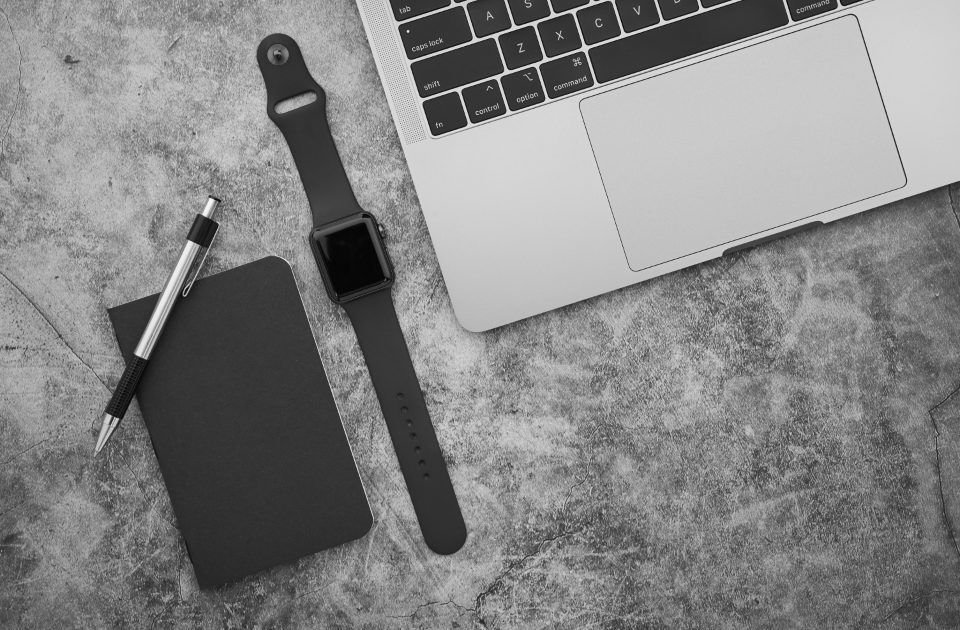
Wearable sleep trackers have made it easier than ever to see exactly how much deep sleep, REM sleep, and total rest you got each night. For many people, that data is genuinely useful. But for a growing number of others, checking a “sleep score” each morning has become a source of anxiety rather than reassurance, a pattern researchers have started calling orthosomnia.
The term, built from “ortho” (correct) and “somnia” (sleep), describes an unhealthy preoccupation with achieving perfect sleep as measured by a device, sometimes to the point that the anxiety about sleep quality actually makes sleep worse.
What Orthosomnia Actually Looks Like
Orthosomnia isn’t about simply owning a sleep tracker or checking your data occasionally. It describes a pattern where someone becomes fixated on hitting a particular sleep score or duration, feels distressed or anxious after seeing a “bad” night reported by their device, and may start making decisions, like canceling plans or restricting activities, based heavily on a wearable’s sleep data rather than how they actually feel.
In some cases, people report feeling more tired and anxious after checking a low sleep score, even on mornings when they otherwise felt reasonably rested, illustrating how much the data itself, rather than the sleep, can drive the distress.
Why This Happens
Part of the issue is that consumer sleep trackers, while improving, are not clinically precise instruments. Most rely on movement, heart rate, and sometimes blood oxygen data to estimate sleep stages, an approach that differs meaningfully from clinical polysomnography, the gold-standard method using EEG brain wave monitoring in a sleep lab. Research consistently shows consumer wearables have real limitations in accurately distinguishing sleep stages, particularly light sleep versus REM, even as they’ve become popular for total sleep-time tracking.
Compounding this, the CDC notes that roughly 1 in 3 U.S. adults already don’t get enough sleep, and awareness of that shortfall, combined with imprecise nightly scores, can create a feedback loop of anxiety about sleep that itself interferes with the ability to relax and fall asleep, a well-documented paradox in sleep psychology sometimes described as sleep effort backfiring.
The Irony: Anxiety About Sleep Can Worsen Sleep
This is one of the most important things to understand about orthosomnia. Anxiety and hyperarousal are well-established barriers to falling and staying asleep. Obsessively checking a sleep app, worrying about a low score, or lying awake mentally calculating how many hours you’ll get if you fall asleep “right now” all increase the physiological arousal that makes sleep harder to achieve in the first place.
In other words, the tool meant to help you sleep better can, in a subset of users, become part of the mechanism keeping them awake or anxious. This mirrors patterns seen in insomnia research more broadly, where trying harder to sleep, and monitoring the effort closely, tends to backfire.
Signs Your Sleep Tracking Habit May Have Become Counterproductive
A few signals suggest sleep tracking has shifted from helpful to harmful:
- Checking your sleep score is the first thing you do every morning, and a low score noticeably affects your mood
- You feel worse or more tired after seeing a poor score, even if you subjectively felt fine before checking
- You’ve canceled plans, altered your schedule, or restricted normal activities specifically because of tracker data rather than how you feel
- You find yourself lying awake anxious about your sleep score rather than relaxed and drifting off naturally
How to Apply This: Rebuilding a Healthier Relationship With Sleep Data
You don’t necessarily need to abandon a sleep tracker entirely, but a more balanced approach helps:
- Check your data less frequently. Try reviewing weekly trends instead of checking every single morning, which reduces day-to-day emotional reactivity to a single night’s imprecise score.
- Prioritize how you feel over the number. If you feel rested and alert, treat that as more meaningful than a device’s score, since subjective rest and device data don’t always agree.
- Use the device for patterns, not verdicts. Look for broader trends, like consistently short sleep on certain days of the week, rather than treating each night’s score as a definitive judgment.
- Take a break from tracking for a week or two if you notice checking your score consistently affects your mood, and see whether your subjective sleep quality changes.
- Focus on established sleep habits that reliably support rest: a consistent sleep and wake schedule, limiting caffeine and alcohol close to bedtime, and keeping your bedroom cool, dark, and quiet, targeting the National Sleep Foundation’s recommended 7 to 9 hours for adults.
When to Seek Additional Support
If anxiety about sleep, whether driven by tracking data or not, is significantly affecting your daily life, mood, or ability to fall asleep, it’s worth talking to a healthcare provider. This is especially true if you suspect an underlying sleep disorder, since a tracker cannot diagnose conditions like sleep apnea or clinical insomnia, and appropriate treatment often requires professional evaluation rather than more data from a wearable.
Data as a Tool, Not a Judge
Sleep trackers can be genuinely useful for noticing patterns, like the impact of alcohol or late workouts on your rest, when used with a light touch. The goal is using data to inform better habits, not to generate nightly anxiety about a score that, given the technology’s current limitations, may not be as precise as it appears.
Should I stop using a sleep tracker altogether?
Not necessarily, unless you notice it’s consistently increasing anxiety. Many people use trackers productively by focusing on weekly trends rather than obsessing over nightly scores.
Are sleep tracker scores accurate?
They provide a reasonable estimate of total sleep time and general patterns, but stage-by-stage accuracy, especially distinguishing light sleep from REM, is limited compared to clinical sleep studies. Treat scores as an approximation rather than a precise measurement.
Is orthosomnia a recognized medical diagnosis?
It’s a term used in sleep research and increasingly clinical practice to describe this pattern, though it’s not yet a formal standalone diagnosis in major diagnostic manuals. It’s best understood as a documented, real behavioral pattern worth being aware of, not a label to self-diagnose casually.
What should I do if my score is low but I feel fine?
Trust how you feel. Subjective rest is a meaningful indicator, and a single night’s imprecise device score shouldn’t override how alert and functional you actually feel that day.
Related reading
Affiliate & medical disclosure: This review is independent and for information only, not medical advice. Some links may be affiliate links; we may earn a commission at no cost to you, which never affects our score. Consult a licensed provider before starting any product.