Slumber vs Over-the-Counter Sleep Aids: A 2026 Comparison
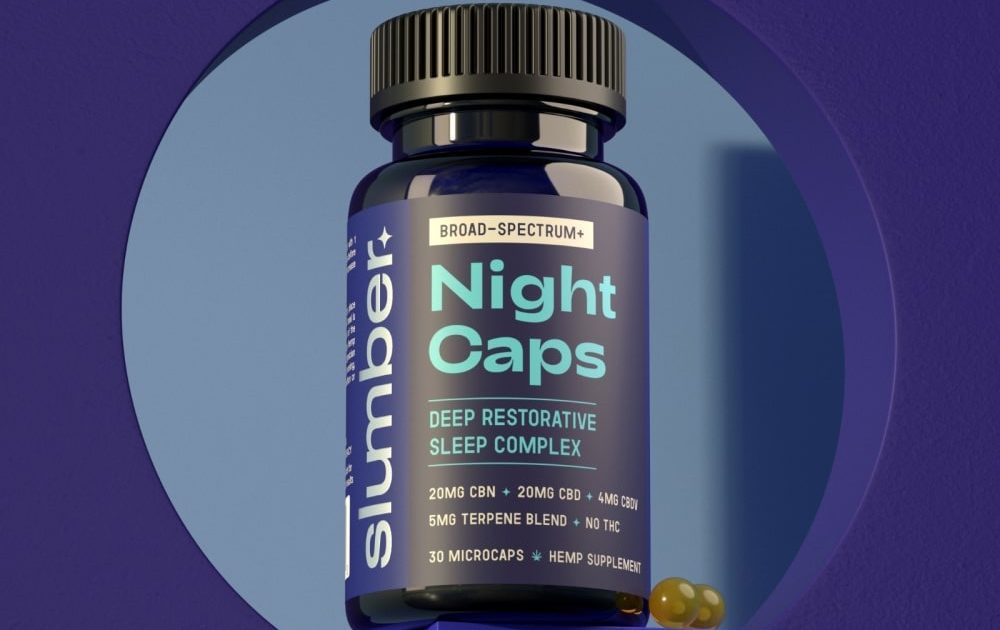
You know the feeling the morning after a ZzzQuil or a Unisom: you slept, technically, but you wake up like you’re wading through wet sand until about 10 a.m. That antihistamine fog is the exact thing the CBN category swears it fixes. So the Slumber vs OTC sleep aids matchup really comes down to one promise Slumber keeps making — sleep without the hangover — and whether it holds up when you poke at it.
I’ve run through both. One is dirt cheap and works fast but comes with baggage. The other costs real money and asks you to trust an ingredient that’s still short on research. Neither is a clean win, which is more honest than either brand’s marketing will tell you.
What OTC sleep aids actually are
Nearly every drugstore “PM” or “nighttime” pill leans on one of two antihistamines: diphenhydramine (ZzzQuil, Unisom SleepGels, the PM in Tylenol PM) or doxylamine (Unisom SleepTabs). They’re the same drugs that fight allergies; drowsiness is the side effect they’ve repackaged as the feature. They’re cheap — often $8 to $15 a bottle — and they knock most people out fast.
The catch shows up over time. Tolerance builds within days, so the dose that worked Monday does less by Friday. They’re anticholinergic, which is where the morning grogginess and dry mouth come from, and the American Academy of Sleep Medicine actually recommends against using diphenhydramine for chronic insomnia. Fine once in a while. Not built for a nightly habit.
What Slumber is selling instead
Slumber is a hemp-derived sleep line built around CBN — cannabinol — usually paired with CBD and a few supporting ingredients. Their Night Caps run $60 for 30 capsules dosed at 20 mg CBN, 20 mg CBD, and 4 mg CBDV with no THC. Pure Sleep gummies deliver 20 mg of fast-acting CBN, also THC-free, at $60. The full-spectrum Deep Zzzs line adds a trace of THC (under 0.3%) and sits around $60 to $64. Most of the catalog clusters at that $60 mark, which is not subtle next to a $10 bottle of antihistamines.
The pitch for the price is the mechanism. CBN doesn’t work like an antihistamine, so in theory it doesn’t leave you with the anticholinergic hangover. Users who react well describe drifting off rather than getting clubbed over the head, and waking up clearer. That’s the no-grogginess claim in a sentence.
Scrutinizing the no-grogginess claim
Here’s where I have to be straight with you. The mechanism argument is sound — CBN genuinely isn’t anticholinergic, so the specific ZzzQuil hangover shouldn’t apply. But “no grogginess” and “it works” are two different claims, and CBN research is thin. Much of the sedation reputation traces back to old, small studies, and the FDA hasn’t evaluated CBN or CBD products for treating sleep at all. Plenty of people also report that CBD at higher doses leaves them a little foggy anyway. So the claim is plausible and often true in practice, but it’s resting on lighter evidence than the confident label suggests. Buy it as “might avoid the hangover,” not “guaranteed to.”
Slumber vs OTC sleep aids, side by side
| Factor | Slumber (CBN/CBD) | OTC antihistamine aids |
|---|---|---|
| Active ingredient | CBN, CBD, sometimes trace THC | Diphenhydramine or doxylamine |
| Price | ~$60 per bottle | ~$8–$15 per bottle |
| Morning grogginess | Lower risk (not anticholinergic) | Common, especially day-after |
| Tolerance over time | Reported low | Builds within days |
| Nightly-use guidance | Marketed for regular use | AASM advises against for chronic insomnia |
| Research depth | Thin; FDA not evaluated | Well-known drug, well-known downsides |
My honest gripe with Slumber is the same one I’d aim at the whole CBN aisle: $60 is a lot to spend on an ingredient the science hasn’t fully caught up to, and results are genuinely person-to-person. It worked for a friend of mine and did almost nothing for me the first week. Give it a fair trial, sure, but go in knowing you might be the person it doesn’t click for — and there’s no refund on a hunch.
A note on legality and THC
Slumber’s hemp-derived products are legal federally under the 2018 Farm Bill, which cleared cannabinoids from hemp containing under 0.3% THC. The THC-free options (Night Caps, Pure Sleep) sidestep the issue entirely. The full-spectrum Deep Zzzs line does include that trace THC, so it’s 21+, and if you’re drug-tested for work, even a trace is a reason to stick with the THC-free versions.
Who should pick which
For a rare bad night — travel, a noisy hotel, one-off stress — a cheap OTC antihistamine is hard to argue against. It’s $10 and it works. But if you’re taking something to sleep several nights a week, the tolerance and morning fog make that a poor long-term plan, and Slumber’s pitch starts to make sense despite the price. It’s aimed squarely at the regular user who’s tired of feeling underwater every morning. Just know you’re paying to run a personal experiment, because CBN hits everyone a little differently.
Frequently asked questions
Is Slumber’s “no grogginess” claim actually legit?
Partly. CBN isn’t anticholinergic, so it shouldn’t cause the specific hangover you get from diphenhydramine, and many users do wake clearer. But the underlying research is limited and higher CBD doses leave some people foggy anyway. Treat it as a reasonable expectation, not a promise.
Are OTC antihistamine sleep aids safe to take every night?
They’re fine for occasional use, but they’re not designed for nightly, long-term reliance. Tolerance builds quickly and sleep experts advise against using diphenhydramine for chronic insomnia. If you find yourself reaching for a PM pill every night, that’s a signal to reassess, not to keep going.
Is there enough CBN in Slumber to actually feel it?
Doses like 20 mg CBN are in the range products typically use, and Slumber pairs it with CBD and other ingredients meant to work together. Whether you feel it varies a lot by person and by night. Give any CBN product a week or two before judging, since it’s subtler than an antihistamine’s knockout effect.
Is Slumber legal, and will it show up on a drug test?
Slumber’s hemp products are legal under the 2018 Farm Bill. The THC-free options won’t contain THC to detect, but the full-spectrum Deep Zzzs line has a trace amount and is 21+. If you’re subject to workplace drug testing, choose a clearly THC-free product to be safe.
Related reading
Affiliate & medical disclosure: This review is independent and for information only, not medical advice. Some links may be affiliate links; we may earn a commission at no cost to you, which never affects our score. Consult a licensed provider before starting any product.