Histamine Intolerance: Common Food Triggers and What Actually Helps
You eat leftover soup, a glass of red wine, and some aged cheese in the same evening, and an hour later you’re flushed, congested, and your heart is racing a little faster than it should. It’s easy to blame one ingredient, but the real culprit might be the cumulative load of histamine across the whole meal — a pattern that’s become known as histamine intolerance, even though it isn’t a true allergy at all.
Histamine intolerance is often misunderstood, partly because its symptoms overlap with so many other conditions, and partly because “intolerance” makes it sound simpler than it is. Understanding how histamine actually builds up in food and in the body helps separate a real, manageable pattern from unnecessary food fear.
What Histamine Intolerance Actually Is
Histamine is a natural compound involved in immune responses, digestion, and central nervous system signaling. Normally, an enzyme called diamine oxidase (DAO), produced mainly in the gut lining, breaks down histamine from food before it accumulates to problematic levels. Histamine intolerance is thought to occur when DAO activity is insufficient to keep up with dietary histamine intake, allowing levels to build up and trigger symptoms that resemble an allergic reaction.
This is different from a true food allergy, which involves the immune system reacting to a specific protein via IgE antibodies. Histamine intolerance is a matter of accumulation and enzyme capacity, which is part of why symptoms can seem inconsistent — a food that causes a reaction on a high-histamine day might be tolerated fine on another day when your overall histamine “load” is lower.
Common Symptoms
Symptoms of histamine intolerance can mimic several other conditions, which is a major reason it’s frequently under-recognized or misdiagnosed. Common signs include:
- Flushing, hives, or itchy skin after eating
- Headaches or migraines
- Nasal congestion or a runny nose unrelated to a cold
- Digestive symptoms: bloating, cramping, diarrhea
- Rapid heartbeat or a sensation of heart racing
- Fatigue or lightheadedness after high-histamine meals
Because these symptoms overlap heavily with irritable bowel syndrome, general food sensitivities, and anxiety, a proper evaluation with a healthcare provider is important before assuming histamine is the cause. There is no single definitive lab test for histamine intolerance, so diagnosis typically relies on symptom tracking, dietary elimination, and ruling out other conditions.
Foods That Commonly Trigger Symptoms
Histamine levels in food rise significantly with fermentation, aging, and storage time, which is why the classic trigger list leans heavily toward foods that are cured, fermented, or leftover rather than fresh.
- Aged cheeses (cheddar, parmesan, blue cheese)
- Cured and processed meats (salami, sausage, deli meats)
- Fermented foods (sauerkraut, kimchi, kombucha, soy sauce)
- Alcohol, especially red wine and beer
- Leftovers stored more than a day or two, as histamine continues to build during storage
- Certain fish, particularly tuna, mackerel, and other species prone to histamine formation if not stored properly
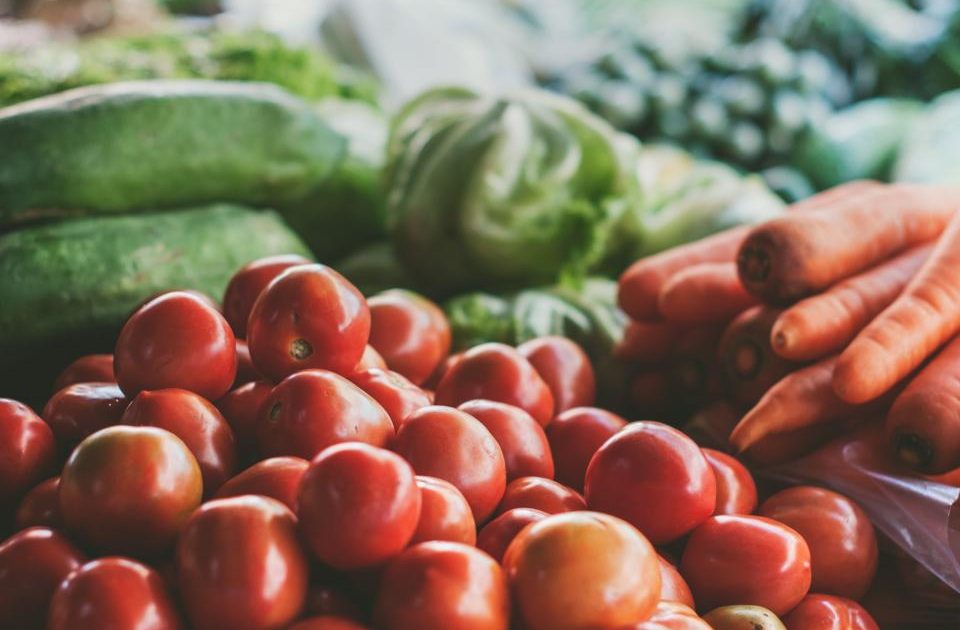
Some fresh foods, like tomatoes, spinach, avocado, and citrus, don’t contain especially high histamine themselves but are known as “histamine liberators,” meaning they can trigger the body’s own mast cells to release stored histamine. This is part of why trigger lists can feel inconsistent between individuals.
What Actually Helps
The most evidence-supported approach is a structured low-histamine elimination diet, typically followed for two to four weeks, followed by careful, gradual reintroduction of foods one at a time to identify individual triggers and tolerance thresholds. This should ideally be done with guidance from a registered dietitian, since overly restrictive long-term elimination diets can create nutrient gaps if not managed carefully.
Beyond diet, a few other factors influence overall histamine load and can meaningfully reduce symptoms:
- Eat fresher food: minimize leftovers and choose freshly prepared meals when possible, since histamine accumulates during storage
- Freeze rather than refrigerate leftovers you can’t eat within a day, as freezing slows histamine buildup more effectively than refrigeration
- Limit alcohol, which both contains histamine and can inhibit the DAO enzyme that breaks it down
- Discuss DAO supplements with a healthcare provider — some people find them helpful before higher-histamine meals, though evidence is still developing
- Review medications with a provider, since certain common drugs can inhibit DAO activity and worsen symptoms
How to Apply This: A Practical Starting Plan
If you suspect histamine intolerance, a structured approach beats guessing at trigger foods one at a time:
- Keep a detailed food and symptom journal for two weeks, noting meals, timing, and any symptoms that follow, including how fresh the food was
- Consult a healthcare provider or registered dietitian to rule out other causes and discuss whether a supervised elimination trial makes sense
- If pursuing elimination, remove the highest-histamine foods (aged, cured, fermented, and leftover items) for two to four weeks
- Reintroduce foods one at a time, waiting several days between each to observe your individual response
- Build a personalized list of foods and amounts you tolerate well, rather than following a generic “avoid” list indefinitely
The goal is a sustainable, individualized diet — not permanent elimination of entire food groups, which is rarely necessary once your personal thresholds are better understood.
When to See a Healthcare Provider
Because histamine intolerance symptoms overlap with several other conditions — including mast cell activation syndrome, true food allergies, and irritable bowel syndrome — it’s worth getting a proper evaluation rather than self-diagnosing indefinitely. This is especially important if symptoms are severe, include swelling or difficulty breathing (which could indicate a true allergic reaction requiring emergency care), or persist despite dietary changes.
A registered dietitian experienced in histamine intolerance can also help ensure an elimination diet doesn’t compromise overall nutrition, particularly around calcium, fermented-food-derived probiotics, and general dietary variety.
Is histamine intolerance the same as a food allergy?
No. A true food allergy involves an immune (IgE-mediated) response to a specific protein, while histamine intolerance is thought to relate to insufficient breakdown of dietary histamine, leading to gradual accumulation and allergy-like symptoms.
Is there a definitive test for histamine intolerance?
Not currently a single reliable test. Diagnosis typically relies on symptom patterns, a structured elimination and reintroduction trial, and ruling out other conditions with a healthcare provider.
Can histamine intolerance develop later in life?
Yes, some people report symptoms emerging after illness, gut issues, or as part of aging, since DAO enzyme activity and gut health can change over time. It isn’t necessarily a lifelong fixed condition for everyone.
Do I need to avoid fermented foods forever?
Not necessarily. Many people find their tolerance improves with overall gut health support and identifying their personal threshold, rather than needing permanent, complete avoidance of every fermented food.
Related reading
Affiliate & medical disclosure: This review is independent and for information only, not medical advice. Some links may be affiliate links; we may earn a commission at no cost to you, which never affects our score. Consult a licensed provider before starting any product.