Vitamin E: The Antioxidant Vitamin for Skin and Heart Health
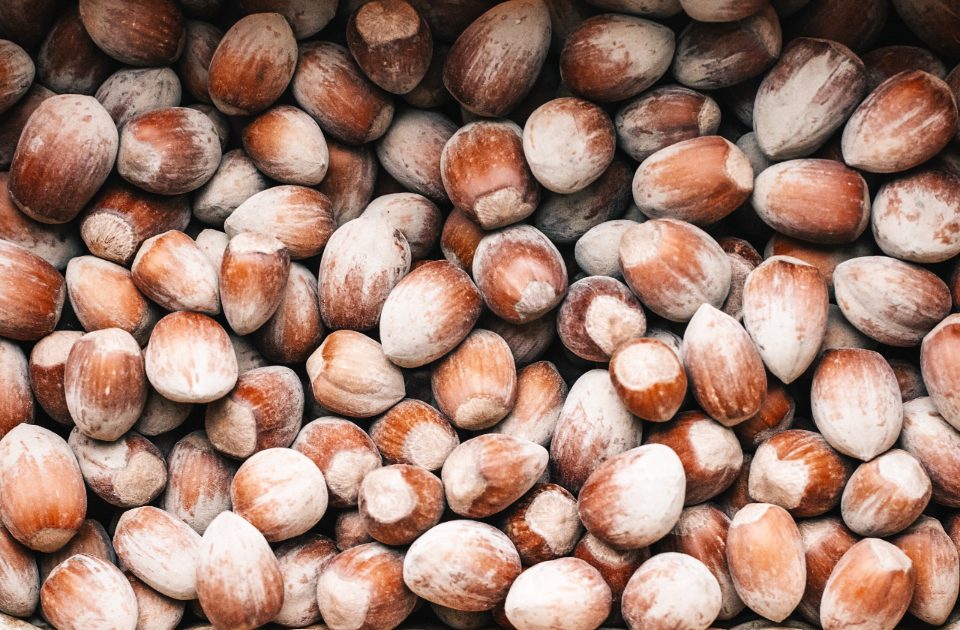
Vitamin E shows up on skincare labels, supplement bottles, and nutrition facts panels alike, but most people would struggle to explain what it actually does. Unlike vitamin C or D, it rarely gets its own dedicated health conversation — yet it plays a quietly important role in protecting cells throughout your body, including the ones in your skin.
Understanding what vitamin E actually does, how much you need, and where it comes from helps separate genuine nutritional value from the vague “antioxidant” marketing that surrounds it.
What Vitamin E Actually Does in the Body
Vitamin E is a fat-soluble vitamin that functions primarily as an antioxidant, meaning it helps neutralize unstable molecules called free radicals before they can damage cell membranes. Because cell membranes are made largely of fat, vitamin E’s fat-soluble nature makes it particularly well-suited to protecting these structures from oxidative stress.
Beyond its antioxidant role, vitamin E supports immune function and helps with cell signaling processes. It also plays a role in preventing the oxidation of LDL cholesterol, a process thought to contribute to the buildup of arterial plaque, which is part of why it has historically been studied in relation to cardiovascular health.
There are actually eight different forms of vitamin E found in food, but alpha-tocopherol is the form your body preferentially uses and stores, and it’s the one referenced in most dietary recommendations.
How Much Vitamin E You Actually Need
The recommended dietary allowance for adults is 15 mg (about 22.4 IU) of alpha-tocopherol per day, according to general nutrition guidelines referenced by the Academy of Nutrition and Dietetics. Most people who eat a varied diet including nuts, seeds, and vegetable oils meet this requirement without needing a supplement.
True vitamin E deficiency is uncommon in the general population and typically occurs only in people with fat malabsorption disorders, since the vitamin requires dietary fat to be properly absorbed. Signs of deficiency, when it does occur, can include nerve and muscle damage, though this is rare outside of specific medical conditions.
- Sunflower seeds — one of the richest food sources
- Almonds and other tree nuts
- Wheat germ oil and vegetable oils like sunflower and safflower oil
- Spinach and other leafy greens, in smaller amounts
- Avocado
Vitamin E and Skin Health: Separating Evidence From Hype
Vitamin E is a common ingredient in skincare products, often paired with vitamin C for its antioxidant synergy. Topically, it may help protect skin from UV-induced oxidative damage and support the skin barrier, and it’s frequently included in moisturizers for its emollient properties.
However, some popular claims outpace the evidence. The idea that rubbing pure vitamin E oil directly on scars dramatically improves their appearance isn’t strongly supported by research — some studies have found minimal benefit, and a portion of people actually experience contact dermatitis or irritation from concentrated topical vitamin E. If you want to try it, patch-testing first and using diluted, product-formulated versions rather than pure oil is the safer approach.
Its more reliable skin benefit comes from consistent internal intake as part of a balanced diet, alongside sun protection, which remains the single most effective way to prevent oxidative skin damage from UV exposure in the first place.
Vitamin E and Heart Health: What the Evidence Actually Says
Vitamin E generated significant interest in cardiovascular research due to its role in preventing LDL cholesterol oxidation. However, large-scale clinical trials on high-dose vitamin E supplementation for heart disease prevention have produced mixed and largely disappointing results — supplementation hasn’t consistently shown the cardiovascular protection that was initially hypothesized.
This is an important distinction: getting adequate vitamin E through food as part of an overall healthy dietary pattern, like the Mediterranean diet, is associated with good health outcomes, but taking high-dose vitamin E supplements specifically to prevent heart disease is not well-supported by current evidence. The AHA generally recommends getting antioxidants from whole foods rather than relying on high-dose supplements for cardiovascular protection.
Can You Get Too Much Vitamin E?
Because vitamin E is fat-soluble, it can accumulate in the body more than water-soluble vitamins like vitamin C. The tolerable upper intake level for adults is set at 1,000 mg per day from supplemental sources, well above what’s achievable through diet alone.
High-dose supplementation has been associated with an increased risk of bleeding, since vitamin E can interfere with blood clotting, particularly in people also taking blood-thinning medications. This is a key reason to consult a healthcare provider before starting high-dose vitamin E supplements, especially if you’re on other medications or have an upcoming surgery.
How to Apply This: Getting Vitamin E the Right Way
For most people, the simplest and safest approach is food first, supplements only if needed.
- Include a small handful of nuts or seeds daily — sunflower seeds and almonds are particularly concentrated sources.
- Use vegetable oils like sunflower or safflower oil in cooking or dressings to add dietary vitamin E.
- Add leafy greens and avocado to meals for additional, smaller contributions.
- Skip high-dose supplements unless a healthcare provider has identified a specific deficiency or medical need.
- If using topical vitamin E products, patch test first and choose formulated products over pure oil to reduce irritation risk.
- Talk to your doctor before supplementing if you take blood thinners or have a bleeding disorder.
Does vitamin E help reduce wrinkles?
There’s modest evidence that vitamin E’s antioxidant properties may help protect skin from some UV-related oxidative damage over time, but it isn’t a proven standalone treatment for existing wrinkles. Sun protection and a consistent skincare routine matter more for visible aging.
Can I take vitamin E and vitamin C together?
Yes, and there’s some evidence they work synergistically as antioxidants, with vitamin C helping regenerate vitamin E’s antioxidant capacity. This pairing is common in both dietary patterns and skincare formulations.
Is natural vitamin E better than synthetic?
Natural vitamin E (often labeled d-alpha-tocopherol) is generally considered more bioavailable than the synthetic form (dl-alpha-tocopherol), meaning your body absorbs and uses more of it per labeled dose, though both forms provide some benefit.
Who is most at risk of vitamin E deficiency?
People with conditions that impair fat absorption — such as Crohn’s disease, cystic fibrosis, or certain liver conditions — are at higher risk, since vitamin E absorption depends on adequate dietary fat processing. Deficiency is rare in people without these underlying conditions.
Related reading
Affiliate & medical disclosure: This review is independent and for information only, not medical advice. Some links may be affiliate links; we may earn a commission at no cost to you, which never affects our score. Consult a licensed provider before starting any product.