Bone Broth: Nutritional Hype vs What It Actually Delivers
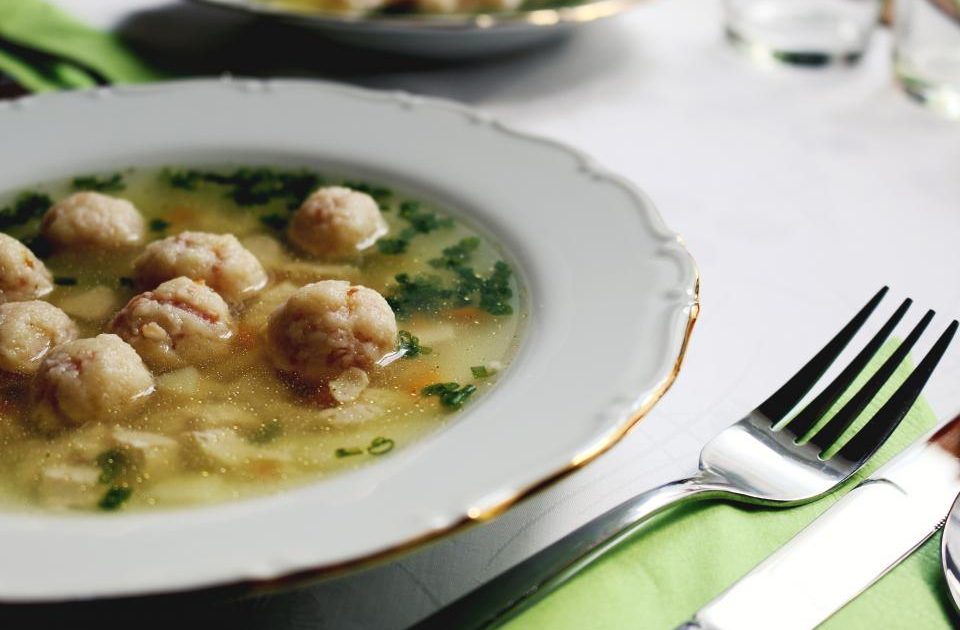
Bone broth has gone from a frugal kitchen staple to a $10-a-cup wellness beverage sold in cafes alongside cold-pressed juice. It’s marketed as a gut-healing, joint-repairing, collagen-boosting elixir. Strip away the branding, though, and it’s essentially a simmered stock — and the actual nutrition science behind it is more modest than the marketing suggests.
That doesn’t mean bone broth is worthless. It just means understanding what it realistically offers, versus what a label promises, matters if you’re deciding whether it’s worth the price tag.
What’s Actually in Bone Broth
Bone broth is made by simmering animal bones, connective tissue, and sometimes vegetables for an extended period, often many hours, which extracts collagen, gelatin, minerals, and amino acids into the liquid. The result is a broth that’s typically higher in protein than a quick-simmered stock, along with small amounts of minerals like calcium, magnesium, and phosphorus that leach out of the bones during cooking.
Nutritionally, a typical cup of bone broth provides somewhere in the range of 6 to 12 grams of protein, depending on how it’s made and how long it simmers, plus modest amounts of collagen-derived amino acids like glycine and proline. It’s generally low in calories and can be a reasonably satisfying, savory addition to a meal.
- Protein content varies widely by preparation, typically 6-12g per cup
- Contains collagen-derived amino acids like glycine and proline
- Mineral content (calcium, magnesium) is present but often in smaller amounts than marketing implies
The Collagen Claim: What’s Real and What’s Overstated
Much of bone broth’s popularity rides on collagen — the idea that drinking it will improve skin elasticity, joint health, and gut lining integrity. Here’s the nuance: when you consume collagen, whether from bone broth or a supplement, your digestive system breaks it down into amino acids and peptides just like any other protein. It doesn’t get delivered intact to your skin or joints.
That said, research on collagen peptide supplementation, generally at doses of around 2.5 to 15 grams per day in studies, has shown some modest benefits for skin hydration and elasticity in certain trials, and preliminary research suggests possible modest benefits for joint comfort. Whether the smaller, variable amount of collagen in a cup of homemade bone broth reaches those studied doses is unclear and likely inconsistent between batches, which is the core gap between the marketing and the evidence.
Does Bone Broth Actually Heal Your Gut?
“Gut healing” is one of bone broth’s most repeated claims, often tied to the amino acid glutamine, which does play a documented role in intestinal cell function. However, the claim that drinking broth meaningfully repairs conditions like leaky gut isn’t well supported by strong clinical evidence in humans at this point.
This is an area where enthusiasm has outpaced research. Bone broth may be a pleasant, easily digestible source of protein and hydration, particularly when you’re feeling unwell, but framing it as a therapeutic treatment for gut permeability issues overstates what current evidence actually shows. If you have a diagnosed digestive condition, working with a healthcare provider or registered dietitian is a more reliable path than broth alone.
How Bone Broth Compares to Other Protein Sources
Gram for gram, bone broth is not a particularly efficient protein source compared to options like chicken breast, eggs, Greek yogurt, or legumes, which typically deliver considerably more protein per calorie. If your primary goal is meeting daily protein targets — commonly cited in the range of 1.2 to 2.0 g/kg of body weight for active adults — whole food protein sources will get you there more efficiently and affordably.
Where bone broth genuinely shines is as a low-calorie, hydrating, savory addition to a meal plan, a base for soups and sauces that adds flavor and some nutrition, or a comforting option when you’re sick and whole foods feel unappealing. It’s a reasonable complement to a balanced diet, not a replacement for other protein sources.
- Chicken breast: roughly 25-30g protein per 100g, far more concentrated than broth
- Greek yogurt: roughly 10g protein per 100g, with added calcium and probiotics
- Bone broth: useful as a low-calorie, flavorful addition, not a primary protein strategy
How to Get the Most Out of Bone Broth: A Practical Approach
If you enjoy bone broth and want to include it sensibly in your diet, a few practical steps help you get genuine value from it rather than just paying a premium for marketing.
- Use it as a flavorful base for soups, stews, and grain dishes rather than relying on it as a standalone protein source.
- Check the sodium content on store-bought versions, since commercial broths can be surprisingly high in sodium, which matters given the AHA’s general guidance to be mindful of overall sodium intake.
- Make it at home if cost matters — simmering leftover bones is significantly cheaper than café-bought bone broth and gives you control over sodium and ingredients.
- Don’t rely on it for collagen goals specifically; if skin or joint support is your priority, a studied collagen peptide supplement at researched doses may be more consistent.
- Pair it with whole food protein sources through the day to reliably hit your protein targets.
Who Might Genuinely Benefit
Bone broth can be a reasonable choice for people recovering from illness who need easy-to-digest calories and some protein, for those looking for a low-calorie, savory alternative to less nutritious snacks, or simply for people who enjoy it as part of a varied diet. It’s not harmful for most people and can fit comfortably into a balanced eating pattern.
It’s worth remembering that no single food or beverage is a cure-all. The Academy of Nutrition and Dietetics generally emphasizes dietary variety and overall pattern over any one “superfood,” and bone broth fits best as one reasonable ingredient among many rather than a nutritional silver bullet.
Is bone broth good for weight loss?
It can be a low-calorie, protein-containing option that adds satiety to a meal, which may support weight management as part of a broader calorie-conscious diet, but it isn’t a specific fat-burning food on its own.
How much bone broth would I need to drink to get a meaningful amount of collagen?
This is hard to pin down precisely, since collagen content varies significantly by preparation method and cooking time. Studied collagen supplement doses are typically in the 2.5-15g range, and matching that consistently through homemade broth alone is difficult to guarantee.
Is store-bought bone broth as good as homemade?
It varies. Some store-bought versions are nutritionally comparable to homemade, but sodium content and actual protein levels differ widely between brands, so checking the nutrition label is worthwhile.
Can I drink bone broth every day?
For most healthy people, daily bone broth consumption is generally safe as part of a balanced diet, though those managing sodium intake for blood pressure reasons should watch for high-sodium commercial versions.
Related reading
Affiliate & medical disclosure: This review is independent and for information only, not medical advice. Some links may be affiliate links; we may earn a commission at no cost to you, which never affects our score. Consult a licensed provider before starting any product.