SHRED App at $10 a Month: The Value Review for 2026
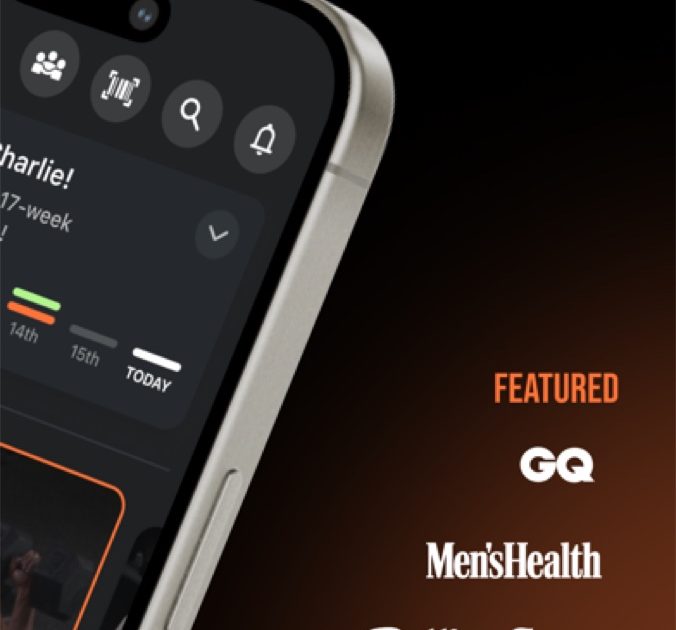
A single session with a certified personal trainer averages $60 to $100 in most US cities. The SHRED app charges $119.99 for an entire year — the cost of roughly ninety seconds of a trainer’s monthly attention, spread across every workout you do for twelve months. That gap is either the best arbitrage in fitness or a sign the app does much less than a coach. The only way to know is to price out exactly what the subscription delivers.
That is the assignment of this review. We inventory what $10 a month buys inside SHRED, run the per-workout math against trainers, gym classes, and rival apps, and flag the two genuine weaknesses before you commit a card. Verdict up front: for self-directed lifters, the value density here is unusually high — with caveats worth reading.
The Price Structure, Stated Plainly
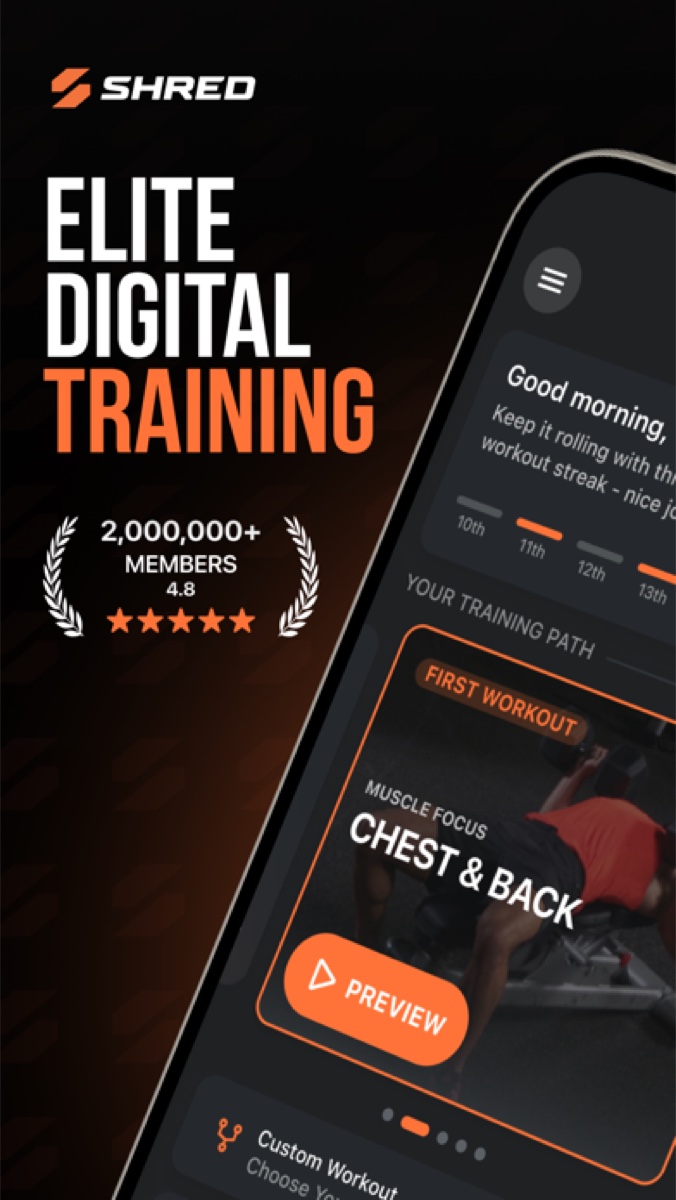
SHRED runs three tiers. A free tier gives limited access — enough to feel the interface, not enough to train seriously. Monthly billing costs $19.99. Annual billing costs $119.99, which nets out just under $10 a month and comes with a 7-day free trial to test everything risk-free. The annual plan is the only one that makes financial sense past week eight: at $19.99 monthly you cross the annual price in month six, then keep paying double for identical features.
| Option | Price | Cost per workout (4x/week) |
|---|---|---|
| Personal trainer (2x/week) | $520–$860/mo | $60–$100 |
| Boutique group classes | $150–$250/mo | $9–$16 |
| SHRED monthly | $19.99/mo | ~$1.15 |
| SHRED annual | $119.99/yr (~$10/mo) | ~$0.58 |
Fifty-eight cents per coached workout is the number to hold onto. Even against other training apps — most cluster at $13–$30 a month — SHRED’s annual rate sits at the cheap end while carrying features several pricier rivals lack.
What the $10 Actually Includes
The core is AI personalization that behaves like programming, not a playlist. SHRED adapts working weights, tempo, and rest periods to your logged performance, and — the feature that separates it from PDF-program apps — rebuilds workouts around the equipment you actually have. Tell it you’re in a hotel gym with dumbbells and a single cable stack, and the session restructures rather than canceling.
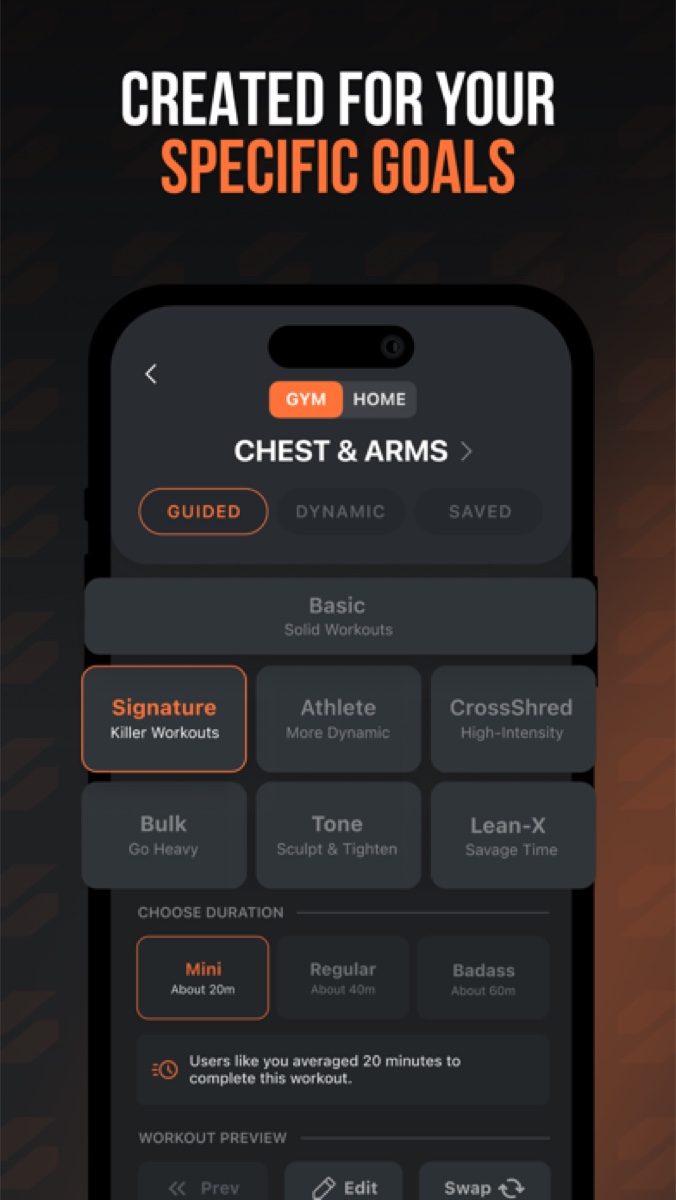
- Six coach-built program tracks: for men, Bulk (hypertrophy), Cross-X (functional/Olympic lifting), and Athlete (conditioning); for women, Signature, Lean-X (HIIT), and Define (toning) — all progressive cycles that auto-advance as you complete them.
- Video demonstrations on movements, consistently praised in third-party testing; Garage Gym Reviews called the app an “excellent bang for your buck.”
- Progress infrastructure: charts, personal records, streaks — the accountability layer most people actually quit for lack of.
- Social pressure, optional: leaderboards and friend challenges, plus Apple Watch support for logging without phone-fiddling.
The Value Benchmark That Matters: Consistency
The World Health Organization’s activity guidelines call for at least 150 minutes of moderate activity plus two strength sessions weekly — a bar most adults miss not for lack of knowledge but lack of structure. This is where a $10 app earns its keep or doesn’t. SHRED’s auto-advancing cycles mean you never open the app to a blank screen deciding what to train; the decision fatigue that kills gym habits is engineered out. A subscription that gets you from one strength day a week to three is worth multiples of its price in outcomes; one that goes unused is worth zero at any price. The 7-day trial exists to tell you which user you are.
The Two Honest Weaknesses
First: several SHRED programs lean on circuits and supersets, which are efficient at home but awkward in a crowded commercial gym at 6 p.m. — claiming two stations simultaneously is a social crime in most weight rooms. The app’s equipment-swap feature mitigates this, but expect occasional on-the-fly substitutions during peak hours. Second: there is no nutrition guidance. SHRED programs your training and nothing else; if body composition is your goal, you will need a separate approach for the kitchen, free or paid. Buyers who want an all-in-one coach should price that gap honestly.
Which Buyer Profile Wins Here
SHRED is strongest for the intermediate lifter who knows how to move but wants programming, progression, and accountability handled — and for the returning-after-a-layoff trainee who needs structure fast. Beginners do well thanks to the video library. The wrong buyer: anyone who wants a human adjusting their squat form in real time, or a macro plan bundled in. That person should budget 10 to 20 times more for hybrid coaching.
How to Extract Maximum Value
Start the 7-day trial on the annual track, pick the single program that matches your primary goal — Bulk or Define, not both — and commit to the full cycle rather than program-hopping. Log every set, because the AI’s weight and rest adjustments are only as good as your data. If you train in a busy gym, schedule SHRED sessions off-peak or pre-select substitutions. Cancel inside the trial window if you miss more than two planned sessions in the week; the app will not fix a scheduling problem.
Is the free tier enough to train on?
No — it is a demo. Treat it as a preview of the interface, and use the 7-day annual trial as the real test drive.
How does $119.99 a year compare with rival training apps?
Most credible competitors charge $13–$30 monthly ($156–$360 a year). SHRED annual undercuts nearly all of them while including equipment-adaptive AI, which several do not offer.
Do I need Apple Watch for it to work?
No. The Watch integration is convenience for logging and heart-rate data, not a requirement.
Can couples or friends share the value?
Accounts are individual, but leaderboards and friend challenges are free to use across accounts — the social features are part of the retention math.
Bottom Line
At $119.99 a year, SHRED prices adaptive, coach-designed programming at about 58 cents per workout — two orders of magnitude below human coaching and near the floor of the app market, per-feature. If you can supply your own nutrition plan and don’t mind occasional superset shuffling in a busy gym, this is one of the cleanest value buys in digital fitness. Run the free week; if you complete four sessions, the annual plan will be the easiest $120 in your fitness budget.
Related reading
Affiliate & medical disclosure: This review is independent and for information only, not medical advice. Some links may be affiliate links; we may earn a commission at no cost to you, which never affects our score. Consult a licensed provider before starting any product.