Push-Pull-Legs: A Beginner-Friendly Way to Structure Your Training Week
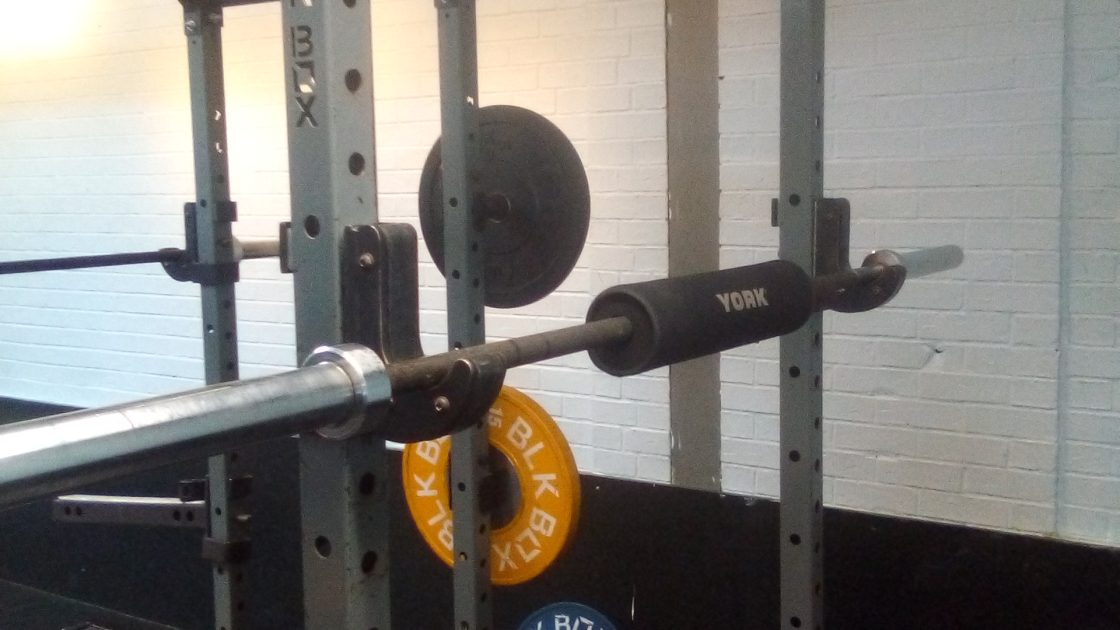
Walk into any gym and ask five different lifters how they organize their week, and you’ll likely get five different answers. But one of the most enduring and beginner-friendly systems is the push-pull-legs split, a simple way to organize training that avoids overtraining any one muscle group while still allowing frequent, productive workouts.
A common mistake beginners make is trying to train every muscle group in every single session, which often leads to rushed, poor-quality work and inadequate recovery. Splitting your training by movement pattern solves this without requiring a complicated program.
What Push-Pull-Legs Actually Means
The system organizes workouts around three categories of movement: “push” exercises that move weight away from the body (bench press, overhead press, triceps work), “pull” exercises that bring weight toward the body (rows, pull-ups, biceps work), and “legs” exercises that train the lower body (squats, deadlifts, lunges, calf raises).
This structure groups muscles that work together, so a chest-and-triceps-heavy push day doesn’t interfere with a back-and-biceps-heavy pull day, allowing more focused effort and better recovery between sessions targeting the same muscles.
Why It Works Well for Beginners
The WHO recommends adults perform muscle-strengthening activities involving major muscle groups on two or more days a week, and a push-pull-legs split run twice through in six days (or spread across a week with rest days) comfortably exceeds that baseline while still allowing recovery.
Because each muscle group is trained with focused volume roughly every 48-72 hours in a well-structured PPL routine, it tends to align well with general strength-training research suggesting that hitting a muscle group roughly twice a week is effective for most beginners and intermediates working toward strength or muscle gains.
Sample Weekly Structure
There are several ways to schedule a PPL split depending on how many days a week you can train:
- 3-day version: Push (Monday), Pull (Wednesday), Legs (Friday), with rest days between.
- 6-day version: Push, Pull, Legs, then repeat, with one full rest day — better suited to more experienced lifters with good recovery capacity.
- 4-5 day version: Push, Pull, Legs, rest, then repeat one or two of the days — a flexible middle ground for many people.
Common Mistakes With This Split
A frequent error is stacking heavy leg day immediately before or after another lower-body-intensive activity like running, without accounting for total recovery demand. Planning rest days around your hardest sessions helps prevent burnout and injury.
Another mistake is neglecting progressive overload — simply doing the same weights and reps week after week. Research consistently shows that gradually increasing weight, reps, or sets over time is the primary driver of continued strength and muscle gains, regardless of which split you follow.
Adjusting the Split as You Progress
As beginners gain experience, many find value in gradually adding more targeted volume to lagging muscle groups within the existing push-pull-legs framework rather than switching to an entirely different program. For example, someone whose shoulders respond slower than their chest might add an extra set of lateral raises on push day without disrupting the overall structure.
It’s also worth periodically reassessing whether your current split still matches your schedule and recovery capacity. Life circumstances change — a demanding work period or a new sleep pattern might mean temporarily dropping from five training days to three is more sustainable than forcing a packed schedule that leads to skipped or rushed sessions.
Warming Up Before Each Session
Regardless of which day of the split you’re training, a proper warm-up matters. A general warm-up of 5-10 minutes of light cardio followed by dynamic stretches targeting the muscles you’re about to train helps increase blood flow and joint mobility, which research suggests can modestly reduce injury risk and improve performance during the working sets that follow.
For leg day specifically, given the higher loads typically involved in squats and deadlifts, many coaches recommend one or two lighter warm-up sets of the main lift itself before jumping to working weight, allowing the nervous system and joints to gradually adapt to the movement pattern under increasing load.
How to Apply This: A 3-Day Beginner PPL Routine
Here’s a simple starting structure, resting a day between each session:
- Push day: Bench press or push-ups, overhead press, triceps dips — 3 sets of 8-12 reps each.
- Pull day: Rows, lat pulldowns or assisted pull-ups, biceps curls — 3 sets of 8-12 reps each.
- Legs day: Squats, Romanian deadlifts, lunges, calf raises — 3 sets of 8-12 reps each.
- Progression: Once you can comfortably complete 12 reps with good form, increase the weight slightly the following week.
If you’re new to structured strength training, consider a few sessions with a certified trainer to confirm your form on the major lifts before training fully independently.
How many days a week should I do push-pull-legs?
Three days is a solid, sustainable starting point for beginners. More experienced lifters sometimes run the cycle twice in six days for additional training volume.
Is push-pull-legs better than a full-body routine?
Neither is definitively better — both can produce excellent results. PPL tends to suit people who enjoy more training days with focused sessions, while full-body suits those training only 2-3 days a week total.
Can beginners handle a 6-day PPL split?
Generally it’s not recommended initially. Most beginners recover better and progress just as well, with lower injury risk, starting with a 3-day version.
Do I need different exercises every push or pull day?
Not necessarily. Repeating a core set of effective exercises and focusing on gradually increasing weight or reps is often more productive than constantly changing exercises.
How long should a push-pull-legs workout take?
Most beginner sessions following this structure take roughly 45-60 minutes, including warm-up, though this can vary depending on how many exercises are included and how much rest is taken between sets.
What if I miss a day in my push-pull-legs schedule?
Simply continue where you left off rather than trying to cram missed sessions in. Consistency over weeks and months matters far more than rigidly hitting an exact schedule, and an occasional missed day has minimal impact on long-term progress.
Related reading
Affiliate & medical disclosure: This review is independent and for information only, not medical advice. Some links may be affiliate links; we may earn a commission at no cost to you, which never affects our score. Consult a licensed provider before starting any product.