Water Weight vs Fat Loss: Why the Scale Fluctuates Day to Day
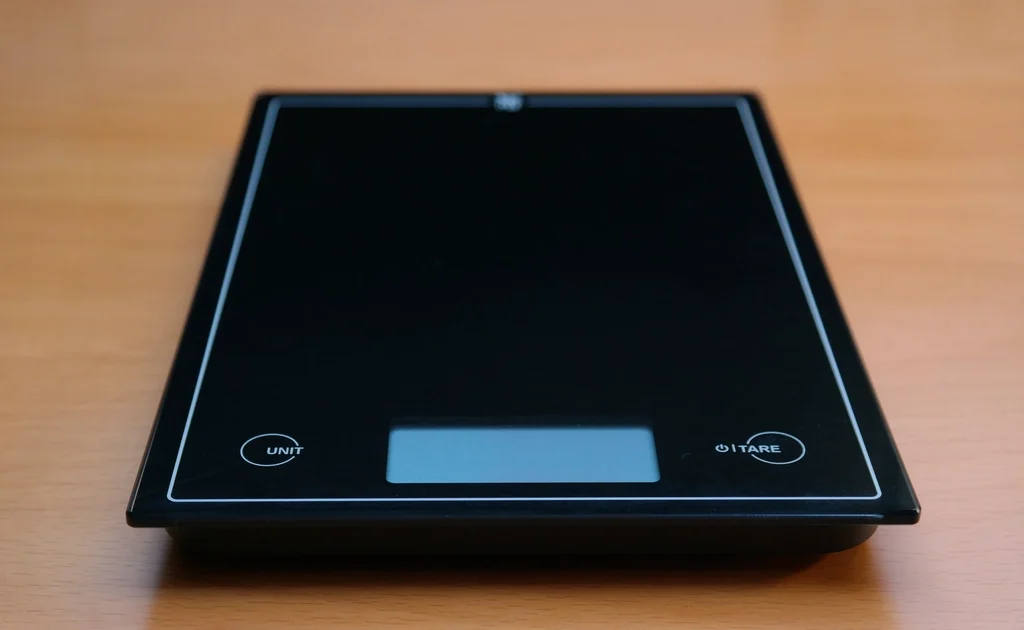
Nothing derails motivation faster than stepping on the scale after a great week of eating well and exercising, only to see the number go up. For most people, this frustrating swing has nothing to do with fat gain — it’s water weight, and it can shift by several pounds in a single day for entirely normal reasons that have little to do with how well your diet or training is actually working.
Understanding the difference between water weight fluctuations and genuine fat loss can save you from making impulsive, unnecessary changes to a plan that’s actually working just fine.
Why the Scale Moves So Much Day to Day
Body weight isn’t just fat and muscle — a significant portion is water, and that water content fluctuates constantly based on sodium intake, carbohydrate intake, hormonal cycles, hydration status, recent exercise, and even the time of day you weigh yourself. It’s entirely normal for body weight to fluctuate by 2-5 pounds within a single day, and sometimes more, purely from water shifts unrelated to any change in body fat.
Fat loss, by contrast, happens gradually. Losing one pound of actual body fat requires a cumulative calorie deficit of roughly 3,500 calories, which realistically takes the better part of a week even in an aggressive, sustainable calorie deficit. A single day of overeating or a single great workout simply can’t move the needle on fat mass anywhere near as fast as water can move the needle on scale weight.
The Main Causes of Water Weight Fluctuation
- Sodium intake: The AHA notes that high-sodium meals cause the body to retain extra water to maintain proper fluid balance, which can show up as a temporary weight increase within a day.
- Carbohydrate intake: Carbohydrates are stored in muscle and liver tissue as glycogen, and each gram of stored glycogen holds roughly 3 grams of water alongside it — meaning a high-carb day (or the reintroduction of carbs after a low-carb period) can add noticeable scale weight from water alone.
- Hormonal cycles: Many women experience water retention tied to the menstrual cycle, with weight sometimes fluctuating by several pounds across different phases.
- Exercise and muscle repair: Intense exercise can cause temporary water retention in muscle tissue as part of the repair and inflammation process, which can mask fat loss on the scale for a day or two after a hard workout.
- Hydration status itself: Paradoxically, being mildly dehydrated can cause the body to retain more water as a protective response, while being well hydrated often supports more stable, accurate readings over time.
How to Tell the Difference: Water Weight vs Real Fat Loss
Since a single reading tells you very little, the most reliable approach is tracking trends rather than daily numbers. Research consistently shows that averaging scale weight over 7-14 days produces a far more accurate picture of true fat loss or gain than any single day’s reading, since it smooths out the noise from water fluctuations.
Other signs that distinguish real fat loss from water weight changes include how your clothes fit over several weeks, progress photos taken under consistent lighting and conditions, and, if available, body measurements like waist circumference. None of these should be checked daily either — weekly or biweekly is a more meaningful interval for spotting genuine trends.
How to Apply This: A Practical Tracking Approach
- Weigh yourself at the same time under the same conditions, ideally first thing in the morning after using the bathroom and before eating or drinking, for the most consistent comparison.
- Track daily but evaluate weekly. Log the number each day if you find it useful, but judge progress using a 7-day rolling average, not individual days.
- Expect bigger swings around high-sodium meals, hormonal cycles, and intense workouts, and don’t let those specific days trigger unnecessary changes to your plan.
- Pair scale trends with other markers — how clothes fit, energy levels, and strength progress — for a fuller picture than weight alone provides.
- Give any new plan at least 2-3 weeks before judging whether it’s working, since that’s roughly the timeframe needed to see a clear trend beyond normal water fluctuation.
Why This Matters for Motivation
Misreading water weight as fat gain is one of the most common reasons people abandon otherwise effective diet and exercise plans. A frustrating scale reading after a salty restaurant meal or a hard leg-day workout can feel like proof that “nothing is working,” even when body composition is trending in exactly the right direction. Recognizing these patterns in advance helps prevent unnecessary discouragement and reduces the temptation to make drastic, unsustainable changes in response to normal, temporary fluctuations.
When Water Retention Might Signal Something Else
While the fluctuations described above are normal, persistent or significant swelling — particularly in the legs, ankles, or abdomen, or weight gain that doesn’t resolve over one to two weeks — can occasionally indicate an underlying medical issue, such as a heart, kidney, or thyroid condition. This is different from the routine day-to-day fluctuations described here, and it’s worth discussing with a healthcare provider if you notice persistent, unexplained swelling or rapid weight change that doesn’t fit the normal pattern.
Why did I gain 3 pounds overnight after one bad meal?
This is almost always water weight from sodium and carbohydrate intake, not fat gain. A single meal, even a large one, cannot add 3 pounds of actual fat overnight.
How much water weight can fluctuate day to day?
It’s normal to see swings of 2-5 pounds within a day or two, depending on sodium intake, carbohydrate intake, hormonal factors, and hydration status.
Should I weigh myself every day?
Daily weighing can be useful for spotting trends if you average the readings over a week or two, but judging progress from a single day’s number is misleading and can undermine motivation unnecessarily.
Does drinking more water help reduce water retention?
For most people, staying well hydrated supports more stable fluid balance rather than causing additional retention. Chronic dehydration can actually trigger the body to hold onto more water as a protective response.
Related reading
Affiliate & medical disclosure: This review is independent and for information only, not medical advice. Some links may be affiliate links; we may earn a commission at no cost to you, which never affects our score. Consult a licensed provider before starting any product.