Training Frequency: How Often Should You Train Each Muscle Group?
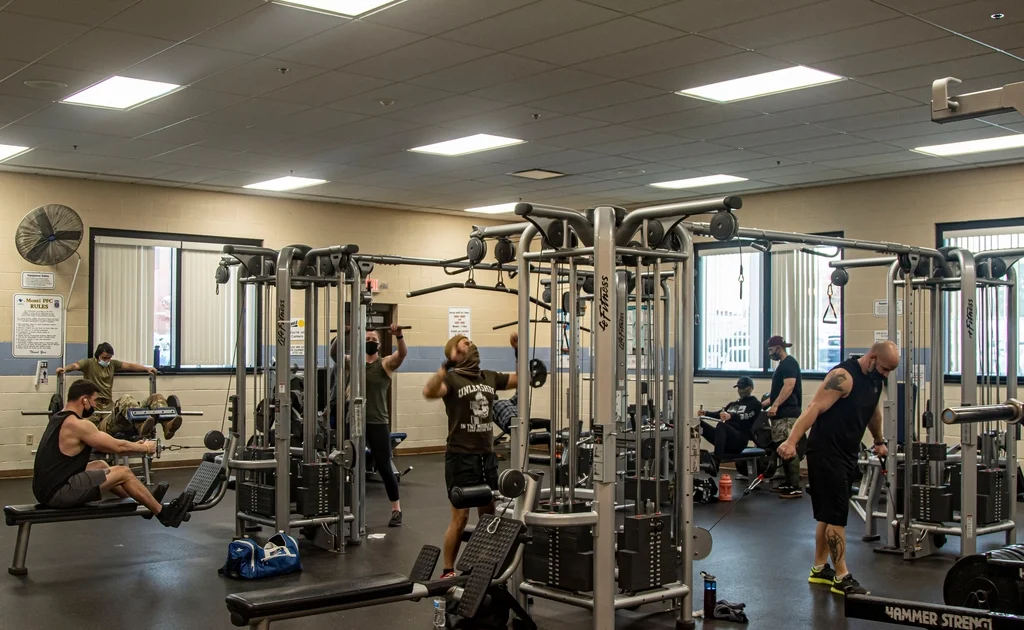
Should you hit each muscle group once a week with a marathon session, or spread the work across multiple shorter sessions? It’s one of the most debated questions in strength training, and the old-school “bro split” — one muscle group per day — has been quietly losing ground to higher-frequency approaches backed by a growing body of research.
The answer isn’t one-size-fits-all, but understanding what training frequency actually does to muscle and strength adaptation can help you choose a structure that fits your schedule, recovery capacity, and goals.
What “Training Frequency” Actually Means
Training frequency refers to how often you train a specific muscle group within a given week. A traditional bodybuilding “bro split” trains each muscle group once weekly with high volume in a single session, while higher-frequency approaches train each muscle group two, three, or more times per week, typically with less volume per session.
Both approaches can build muscle. The real question is which one better fits the total weekly training volume you can recover from and the schedule you can realistically sustain long-term, since consistency ultimately drives more progress than any single structural choice.
What the Evidence Says About Frequency and Muscle Growth
Research consistently shows that when total weekly training volume is held equal, training a muscle group two or three times per week tends to produce similar or modestly better muscle growth compared to training it just once, particularly for intermediate and advanced lifters. This is likely because muscle protein synthesis, the process behind muscle repair and growth, stays elevated for roughly 24 to 48 hours after a resistance training session and then tapers off — meaning a muscle trained only once a week spends much of the week without that elevated synthesis signal.
For strength specifically, higher frequency also allows more practice with a given movement pattern, which can improve technique and neural efficiency — part of why powerlifters often train major lifts multiple times a week.
Frequency vs Volume: Why Both Matter
Frequency doesn’t work in isolation from volume (total sets performed) and intensity (how heavy or how close to failure). A very high frequency with inadequate volume per session may under-stimulate muscle growth, while cramming too much volume into infrequent sessions can lead to excessive soreness and reduced quality in later sets within that session.
- Low frequency, high volume per session: classic bro split, one muscle group per day
- Moderate frequency: upper/lower or push/pull/legs splits, training each muscle group 2x per week
- High frequency: full-body routines, training each muscle group 3+ times per week with lower volume per session
Recovery: The Limiting Factor
Muscles need time to repair after a challenging session, and pushing frequency too high without managing volume and intensity can lead to inadequate recovery, plateaued progress, or increased injury risk. Recovery capacity depends on training experience, sleep quality, nutrition, age, and overall life stress — not just the workout itself.
The National Sleep Foundation’s recommendation of roughly 7 to 9 hours of sleep per night for adults is directly relevant here, since sleep is when much of the physical repair supporting training adaptation actually happens. Under-recovered lifters training at high frequency often see worse results than those training less often but recovering fully between sessions. Signs of inadequate recovery worth watching for include a resting heart rate that’s noticeably elevated compared to your normal baseline, sleep that feels unrefreshing despite adequate hours in bed, and strength numbers that stall or decline over 2 to 3 consecutive sessions despite consistent effort.
Choosing the Right Frequency for Your Situation
The best frequency depends on your experience level, schedule, and recovery capacity:
- Beginners: often do well with full-body training 2–3x per week, since lower training age means less volume is needed to stimulate progress
- Intermediate lifters: upper/lower splits or push/pull/legs at moderate frequency (2x per muscle group weekly) tend to balance volume and recovery well
- Advanced lifters: may benefit from higher frequency to accumulate the greater training volume needed to continue progressing
- Time-constrained people: higher-frequency, shorter sessions can be easier to fit around a busy schedule than fewer, longer sessions
How to Apply This: A Sample Weekly Structure
A practical, moderate-frequency approach for most intermediate lifters:
- Day 1: Upper body (push and pull movements)
- Day 2: Lower body (squat and hinge patterns)
- Day 3: Rest or light activity
- Day 4: Upper body (different exercise selection or rep range than Day 1)
- Day 5: Lower body
- Days 6–7: Rest or active recovery like walking or mobility work
This structure trains each muscle group roughly twice a week while allowing 48-plus hours of recovery between sessions targeting the same muscles. Adjust volume and frequency based on how you’re recovering, and consider consulting a coach or physical therapist if you’re managing an injury or returning after a long break.
This structure also satisfies the WHO’s broader physical activity guidelines, which call for muscle-strengthening activity on 2 or more days per week alongside at least 150 minutes of moderate-intensity aerobic activity (or 75 minutes of vigorous activity) weekly. Meeting both halves of that recommendation together — strength and cardio — is associated with better long-term outcomes than focusing on either one alone.
Is it better to train a muscle once a week or three times a week?
For most people, training each muscle group two to three times weekly tends to produce equal or better results than once weekly, assuming total volume is comparable and recovery is adequate.
Will training a muscle group more often cause overtraining?
Not if volume and intensity are managed appropriately. Overtraining is more closely linked to inadequate recovery relative to total training stress than to frequency alone.
Do beginners need high training frequency?
Beginners can make excellent progress with lower frequency and volume since their bodies are highly responsive to any consistent training stimulus in the early stages.
How do I know if my frequency is too high?
Signs include persistent soreness, declining performance across sessions, poor sleep, or a lingering feeling of fatigue. If these appear, reducing frequency or volume and prioritizing recovery is a reasonable adjustment.
Related reading
Affiliate & medical disclosure: This review is independent and for information only, not medical advice. Some links may be affiliate links; we may earn a commission at no cost to you, which never affects our score. Consult a licensed provider before starting any product.