Toner in Modern Skincare: Do You Actually Need One?
Toner has one of the most confusing reputations in skincare. Decades ago it usually meant a harsh, alcohol-heavy liquid meant to “close pores” after cleansing — a claim that isn’t actually accurate, since pore size is determined by genetics and doesn’t physically open or close. A common mistake today is either skipping toner entirely out of old associations with that stinging, drying formula, or assuming every modern toner still works the same way.
Modern toners have changed considerably, and whether you need one depends heavily on your skin type, your existing routine, and what a specific product is formulated to do. Here’s a practical breakdown of what toner can and can’t do, so you can decide if it earns a place in your routine.
What Toner Originally Was, and Why the Reputation Stuck
Traditional toners were often alcohol- or astringent-based, designed to remove residual soap film left behind by harsher bar cleansers and to give a tightened, matte feeling on the skin. That tightening sensation is frequently mistaken for “closing pores,” but it’s actually mild dehydration and temporary swelling of surrounding skin — not a real change in pore size.
This generation of toner often left skin feeling dry or stripped, which is part of why many people still associate the category with irritation. Formulations have shifted substantially since then, and today’s toners span a much wider range of purposes.
Research consistently shows that healthy skin sits at a mildly acidic pH, generally cited in the range of about 4.7 to 5.75, and that this acidity plays a role in maintaining the skin barrier and its protective microbiome. Many bar soaps and some foaming cleansers are formulated at a more alkaline pH, which is part of the rationale behind pH-balancing toners, though a well-formulated moisturizer afterward can achieve a similar restorative effect for many people.
What Modern Toners Actually Do
Contemporary toners generally fall into a few functional categories, and understanding which one you’re looking at matters more than the word “toner” on the label.
- Hydrating toners: contain humectants like glycerin or hyaluronic acid, adding a layer of hydration before moisturizer, often as a light mist or liquid
- Exfoliating toners: contain acids like glycolic or salicylic acid at lower concentrations, offering gentle regular exfoliation
- pH-balancing toners: aim to restore skin’s natural slightly acidic pH after cleansing, particularly useful after cleansers that skew alkaline
- Soothing toners: formulated with calming ingredients like centella asiatica or niacinamide for sensitive or reactive skin
Do You Actually Need One?
Toner is genuinely optional for many people, and a well-rounded routine of cleanser, moisturizer, and sunscreen works perfectly well without it. That said, certain skin concerns or routines make a toner more worthwhile than others.
If you use a foaming or gel cleanser that leaves skin feeling slightly tight, a hydrating toner can restore comfort before the next steps. If you’re building an exfoliation routine, an acid toner offers a gentler entry point than stronger leave-on treatments. And if you regularly use hard water or a cleanser that disrupts skin pH, a pH-balancing toner may genuinely help support barrier recovery. For people with straightforward, non-reactive skin who already moisturize adequately, skipping toner altogether changes little.
Ingredients Worth Knowing, and Ones to Watch For
Reading the ingredient list matters more with toner than with almost any other skincare category, given how wide the range of formulations is.
- Look for glycerin, hyaluronic acid, or panthenol in hydrating toners
- Check acid concentration on exfoliating toners — starting with lower percentages (around 2-5% for glycolic or salicylic acid) reduces irritation risk for beginners
- Be cautious with toners high on the ingredient list in denatured alcohol, which can be drying, particularly for dry or sensitive skin types
- Fragrance, while common, is also one of the more frequent irritants in toner formulas — research consistently shows fragrance ranks among the top contact allergens identified in dermatology patch testing, making fragrance-free options the safer default for sensitive or reactive skin
Sun protection deserves a mention here too, since no toner or serum substitutes for it: research consistently shows daily use of a broad-spectrum sunscreen with at least SPF 30 is one of the most effective and well-supported ways to protect skin’s barrier and reduce long-term sun damage, and it remains a more impactful step than most toner formulas for overall skin health.
How to Apply This: Building Toner Into a Routine
If you decide to add a toner, layering order and pairing with other actives both matter for getting the benefit without irritation.
- Morning: cleanser, hydrating toner (if used), moisturizer, sunscreen
- Evening: cleanser, exfoliating toner 2-3 times per week if tolerated (not combined with other exfoliating actives the same night), moisturizer
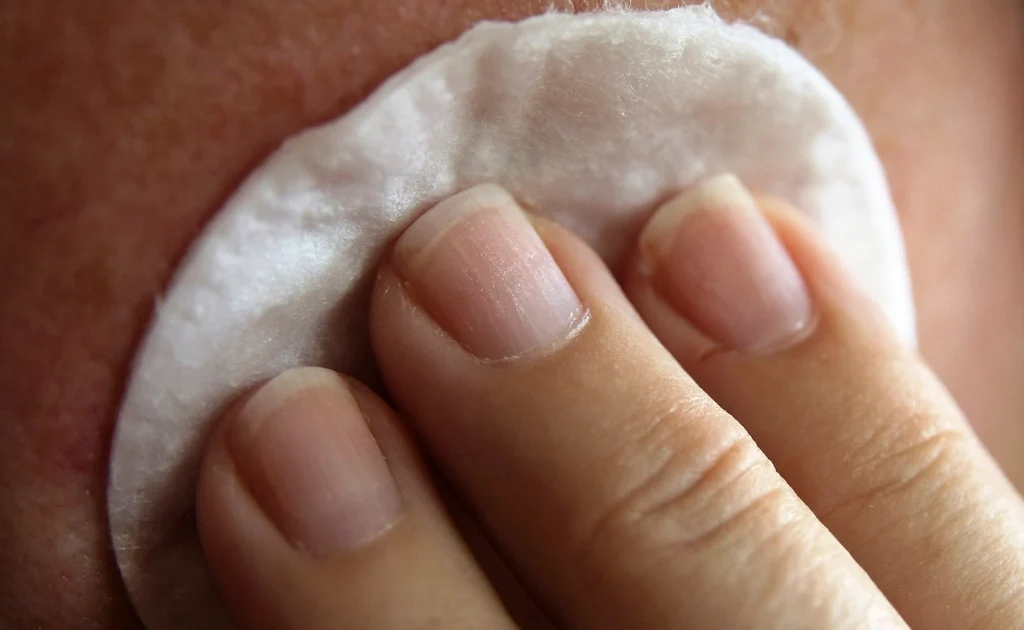
- Apply toner to slightly damp skin with hands or a cotton pad, whichever the product recommends
- Introduce a new toner gradually — every other night for the first two weeks — to gauge tolerance, especially with exfoliating formulas
Combining multiple exfoliating or active-ingredient products in the same routine without easing in is a common cause of irritation, so if you’re already using a retinoid or another acid treatment, check with a dermatologist or go slowly before adding an exfoliating toner on top.
When to Get Professional Guidance
Persistent redness, stinging, or breakouts after introducing a new toner are signs to stop use and reassess. Anyone with rosacea, eczema, or generally reactive skin should be especially cautious with acid or fragranced toners and may benefit from a dermatologist’s input before adding new actives to their routine, since individual skin tolerance varies considerably.
Can toner replace moisturizer?
No. Even hydrating toners are typically lighter and less occlusive than moisturizers, and most are designed to be used before moisturizer, not instead of it.
Is toner necessary for oily skin?
Not strictly necessary, but a lightweight, alcohol-free toner with mild exfoliating or oil-balancing ingredients can be a reasonable addition for some people with oily or acne-prone skin, based on personal preference.
Why does toner sting when I apply it?
Stinging usually indicates either an active ingredient (like an acid) reacting with compromised or sensitive skin, or a formula with alcohol or fragrance that’s irritating your specific skin. Persistent stinging is a sign to discontinue use.
Do I need a different toner for morning and night?
Not necessarily — many people use the same hydrating toner both times, reserving a separate exfoliating toner for evenings only, a few times per week rather than daily.
Related reading
- Self-Tanner 101: How Sunless Tanning Works and How to Apply It Without Streaks
- Cystic Acne: Why It’s Different From Regular Breakouts and How It’s Treated
- Combination Skin: How to Balance Oily and Dry Zones in One Routine
- Does Diet Really Cause Acne? What the Evidence Says About Dairy, Sugar, and Chocolate
Affiliate & medical disclosure: This review is independent and for information only, not medical advice. Some links may be affiliate links; we may earn a commission at no cost to you, which never affects our score. Consult a licensed provider before starting any product.