Pallas Health Review 2026: The $199 Flat GLP-1 Plan vs the $1,300 Brand-Name Menu
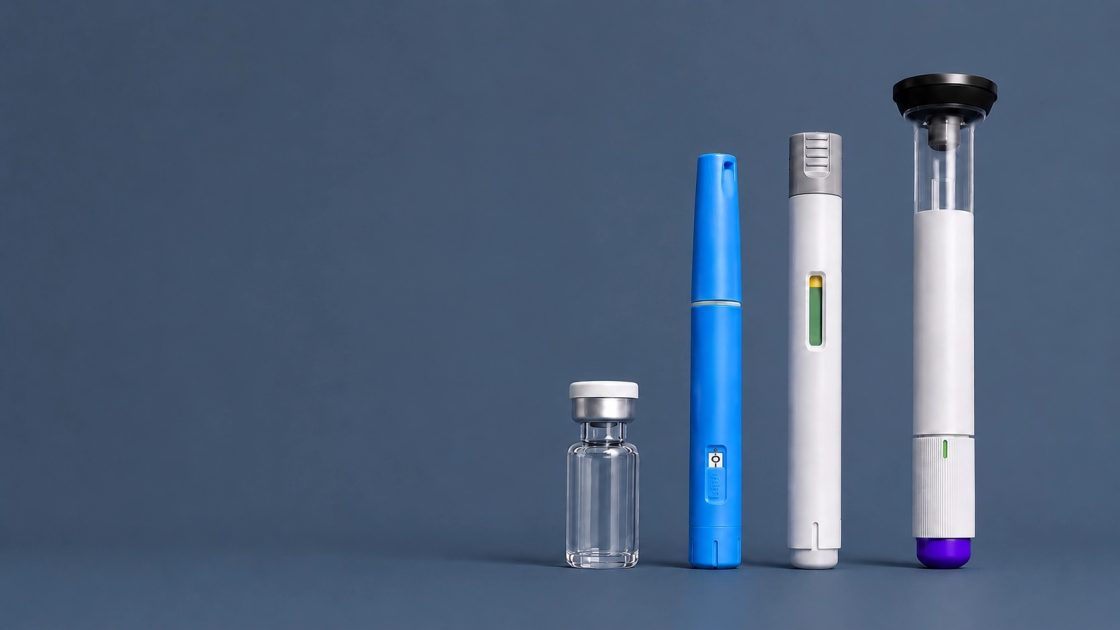
Pallas Health publishes two price lists side by side, and the gap between them is the whole story. On one side: compounded semaglutide averaging about $199 a month and compounded tirzepatide at about $299 a month, all-inclusive. On the other: the brand-name cash-pay menu — Wegovy at $1,349, Zepbound at $1,069, Ozempic at $1,299, Mounjaro at $1,349 per month. Same drug classes, same telehealth wrapper, a price difference of $770 to $1,150 every single month.
That spread is either the best deal in weight-loss medicine or a trade-off you need to understand before you click “start.” This review works through the actual numbers — first-month teasers versus steady-state costs, what “all-inclusive” really covers, and the honest asterisk on compounded medications — so you can decide which side of Pallas’s menu, if either, belongs in your budget.
How Pallas Works: The Process in Four Steps
The intake is deliberately light: a roughly 2-minute questionnaire, then an asynchronous clinician review — no appointment to book, though seven states require a video call. If you’re approved, medication ships in about a week. If the clinician decides GLP-1 therapy isn’t clinically appropriate for you, Pallas issues a full refund — a policy worth noting, because plenty of telehealth outfits keep the consult fee either way. From there it’s ongoing check-ins, dose adjustments, and care-team messaging through a free iOS/Android app, with free discreet shipping. Service covers all 50 states plus DC, FSA/HSA payments are accepted, and you can cancel anytime with no membership or per-visit fees.
The structural point: the price you see is the price you pay. There is no $49/month “membership” stacked on top, no per-visit charges when your dose changes. That matters when you compare providers, because advertised medication prices elsewhere often exclude the service layer.
The Cost Table: Compounded vs. Brand-Name, Priced Honestly
| Option | First month | Ongoing | Effective monthly avg | 12-month est. total |
|---|---|---|---|---|
| Compounded semaglutide | $139 | $597 per 12 weeks | ~$199 | ~$2,330 |
| Compounded tirzepatide | $179 | $897 per 12 weeks | ~$299 | ~$3,470 |
| Wegovy (brand, cash-pay) | $1,349 | $1,349/mo | $1,349 | ~$16,188 |
| Zepbound (brand, cash-pay) | $1,069 | $1,069/mo | $1,069 | ~$12,828 |
| Ozempic (brand, cash-pay) | $1,299 | $1,299/mo | $1,299 | ~$15,588 |
| Mounjaro (brand, cash-pay) | $1,349 | $1,349/mo | $1,349 | ~$16,188 |
Run the year-one math and the spread gets stark. Compounded semaglutide costs roughly $2,330 for twelve months ($139 first month plus about eleven more at the ~$199 average). Wegovy — the brand-name product built on the same semaglutide molecule — runs about $16,188 cash-pay. That is a $13,800+ annual difference. Even the tirzepatide comparison, where Zepbound is the “cheap” brand option at $1,069, leaves compounded saving you roughly $9,350 a year. Note also the billing rhythm: Pallas bills compounded plans per 12 weeks after month one ($597 or $897 at a time), so budget for the quarterly hit rather than a smooth monthly charge.
Two more numbers worth flagging. The price is flat regardless of dose — as you titrate up from starter doses, your cost doesn’t climb, which is not true everywhere. And the first-month teaser ($139/$179) is a genuine on-ramp, not the real price; anchor your budget to $199 or $299, not the headline.
The Compounded Asterisk: What You’re Trading for the Discount
Here is the caveat that belongs in bold: compounded semaglutide and tirzepatide are not FDA-approved products. Compounding pharmacies operate legally under FDA oversight of the pharmacy itself, but the specific vials you receive have not gone through the approval process that Wegovy or Zepbound did. That is precisely why the price gap exists. For many buyers the trade is acceptable; for some — and for anyone whose prescriber advises against it — it isn’t. These are also prescription medications, full stop: a Pallas clinician decides whether you qualify, and no review can promise you’ll be approved.
On results, Pallas reports members losing 28–43 pounds over 5–7 months. Treat that as what it is — brand-reported member data, not a controlled trial — but note it sits in the same neighborhood as the published clinical ranges for these drug classes, which is roughly what you’d expect when the active molecules are the same.
Beyond Weight Loss: NAD+ and Sermorelin
Pallas also runs NAD+ and Sermorelin longevity programs. Neither has public pricing, which makes them impossible to evaluate on value — the thing this review is here to do. If those interest you, the questionnaire will surface a quote; just apply the same scrutiny to that number you’d apply to the GLP-1 menu.
Which Buyer Should Pick What
Cost-first, comfortable with compounded: semaglutide at ~$199/month is the value pick — the $139 first month makes trying it cheap, and the full-refund-if-not-approved policy removes the intake risk entirely.
Wants maximum average results and will pay for the dual-agonist: compounded tirzepatide at ~$299/month. The +$100/month premium buys the GLP-1/GIP mechanism that has posted stronger trial numbers class-wide.
Only wants FDA-approved product: Pallas still functions as a transparent cash-pay pharmacy menu — Zepbound at $1,069 is the least expensive brand-name option on it. But check your insurance first; if you have coverage for Wegovy or Zepbound, insurance beats any cash menu.
Needs predictable monthly billing: note the 12-week billing blocks on compounded plans. If a $597–$897 quarterly charge strains your cash flow, budget accordingly or look at providers billing monthly — though most cost more per month than Pallas’s average.
FAQs
Is compounded semaglutide the same as Ozempic or Wegovy?
Same active molecule, different regulatory status. The compounded version is prepared by a pharmacy rather than sold as the FDA-approved branded product. That distinction is the source of both the discount and the caveat.
What happens if the clinician says no?
Pallas refunds you in full if the clinician determines treatment isn’t clinically appropriate. You’re not out the intake cost, which makes the questionnaire effectively risk-free to try.
Are there hidden fees?
The pricing is all-inclusive: clinician review, medication, dose adjustments, care-team messaging, the app, and shipping. No membership fee, no per-visit charges. The one thing to watch is the billing cadence — 12-week blocks after the first month.
Can I use FSA/HSA funds?
Yes, Pallas accepts FSA/HSA payment, which effectively discounts the price further if you’re paying with pre-tax dollars — worth 20–30% to many buyers.
Verdict
Pallas Health’s value case is unusually easy to audit because the brand publishes both menus and hides nothing in membership fees. At ~$199/month all-inclusive for compounded semaglutide — roughly $2,330 a year versus $16,000+ for the equivalent brand-name molecule — it lands among the most aggressive legitimate pricing in GLP-1 telehealth, and the flat-price-at-every-dose and full-refund policies remove the usual gotchas. The honest trade is the compounded asterisk: you’re buying a non-FDA-approved preparation of an FDA-studied molecule, and a clinician — not you — makes the final call. If you’ve weighed that and your budget lives closer to $200 than $1,300 a month, Pallas is a strong, transparent place to start: the questionnaire takes two minutes, the downside is refunded, and the first month costs less than a single week of the brand-name alternative.
Related reading
Affiliate & medical disclosure: This review is independent and for information only, not medical advice. Some links may be affiliate links; we may earn a commission at no cost to you, which never affects our score. Consult a licensed provider before starting any product.