MEDVi GLP-1 in 2026: What the Clinician-Led Plan Costs and Includes
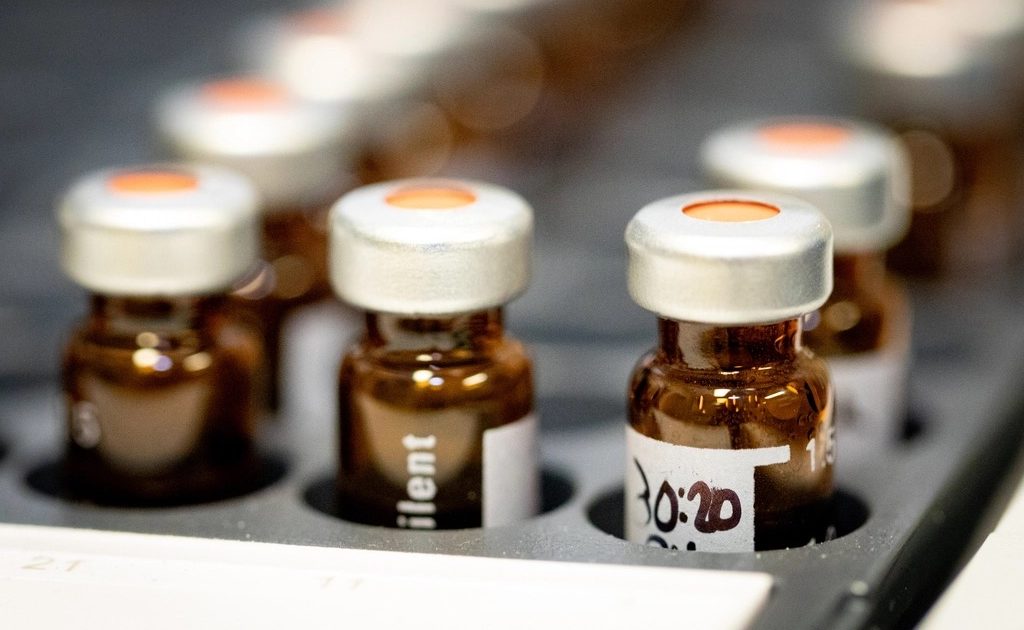
The first number MEDVi shows you is $179. That’s the compounded semaglutide entry dose, and it’s the figure the ads lean on. Stay on the program past the first vial, though, and the MEDVi GLP-1 price you actually pay drifts up toward $299 a month as your dose climbs. Neither number is a secret. But the gap between them is the whole story of whether this clinician-led program is a good deal for you, and it’s the part most quick reviews skip.
So this is a cost-and-care breakdown, not a sales page. What you’re buying, what you’re not, and where a cheaper compounded competitor might serve you just as well.
What the monthly fee actually covers
MEDVi is a telehealth outfit based in Newark, Delaware. It doesn’t compound your medication in a back room somewhere — it connects you with a licensed prescriber, and if you’re approved, a partner pharmacy ships the compounded drug to your door. The intake is asynchronous. You fill out a health questionnaire, a clinician reviews it, and in most cases a prescription lands within a couple of days without a live video call.
The flat monthly price bundles the consult and shipping. There’s no separate telehealth charge, no per-visit fee stacked on top, and no surprise pharmacy invoice. For compounded semaglutide, the entry dose runs about $179, and higher titration doses climb into the $199 to $299 range. Compounded tirzepatide sits around $299 a month, sometimes quoted closer to $349 for the first month depending on the plan you land on. Patients 65 and up have been offered a $50 monthly senior discount across plans, which is a nice touch and genuinely rare in this corner of the market.
Here’s what the fee does not obviously include: labs, structured health coaching, or a defined dose-escalation protocol you can see up front. The between-visit support is thin. If you like a program that texts you every week and assigns a coach, this isn’t that. MEDVi is closer to a medication-delivery model with a doctor’s signature attached — efficient, a little transactional.
MEDVi GLP-1 cost next to the cheaper compounded crowd
The compounded GLP-1 field is crowded and prices have compressed hard over the last year. A few programs now hold a genuinely flat rate at every dose, which is the thing MEDVi doesn’t do. If you’re going to spend months titrating up, the flat-versus-escalating difference matters more than the sticker price.
| Program | Semaglutide start | What happens at higher doses | Care style |
|---|---|---|---|
| MEDVi | ~$179/mo entry | Climbs to $199–$299/mo | Async intake, medication-first |
| Flat-rate compounders | ~$178–$199/mo | Holds flat at every dose | Async, medication-first |
| Coaching-heavy programs | $135–$300+/mo | Varies; coaching bundled | Coach + provider messaging |
Run the math on a real year. If you titrate to a maintenance dose and pay $299 for eight or nine of those months, MEDVi’s headline $179 stops being the number that describes your spend. A flat program at $178 saves you real money over twelve months — a few hundred dollars — without asking you to do anything differently. That’s the trade you’re weighing.
The compounding question you can’t ignore
Compounded semaglutide and tirzepatide are not FDA-approved products. They’re mixed by a pharmacy for an individual patient, and a prescriber — not you, and not the marketing page — decides whether the medication is appropriate. During the 2022–2024 shortage of branded Ozempic and Wegovy, compounding filled a real gap. That shortage has since resolved, and the FDA has scrutinized how telehealth companies market these compounds, particularly labeling that blurs who is actually making the drug. MEDVi has drawn regulatory attention on exactly that point.
None of that makes the medication unsafe in your hand — it’s the same class of drug driving results in the trials that made obesity treatment national news, and roughly 42% of U.S. adults meet the clinical definition of obesity per NIH figures. But it does mean you should treat a compounded program as a prescription relationship, ask which pharmacy fills your script, and keep your own doctor in the loop if you have one. Go in clear-eyed rather than sold.
Who MEDVi actually fits
MEDVi suits someone who wants the medication with a minimum of friction and doesn’t need hand-holding. You’re comfortable managing your own routine, you value a fast async intake over a scheduled video visit, and the doctor-led sign-off is the reassurance you’re after. The senior discount makes it worth a second look if you’re over 65 and paying out of pocket.
It fits less well if you’re a first-timer who wants a coach in your corner, or a bargain hunter who’ll be on a high maintenance dose for a year. In the first case you’re better served by a coaching-heavy program; in the second, a true flat-rate compounder will quietly save you more. That’s not a knock on MEDVi so much as an honest read of where its model shines and where it doesn’t.
My honest gripe: the $179 headline sets an expectation the maintenance price doesn’t keep, and I’d rather a program just quote me the number I’ll live with. The care itself is legitimate and the ordering is painless. Just do the twelve-month math before you decide the entry price is the price.
Frequently asked questions
Does MEDVi require a video call to get started?
No. The intake is asynchronous — you complete a health questionnaire online and a licensed clinician reviews it, usually issuing a decision within about two days. There’s no scheduled live visit for most patients, which is part of why the process is fast.
Will my MEDVi price go up as my dose increases?
For compounded semaglutide, yes — the entry dose near $179 rises toward the $199 to $299 range as you titrate up. Tirzepatide is quoted closer to a flat $299. If a stable monthly cost matters to you, ask about the price at your target maintenance dose, not just the starting one.
Does MEDVi include coaching or lab work?
Not in an obvious, structured way. The monthly fee covers the consult and shipping, but MEDVi doesn’t market a dedicated coaching layer or bundled labs the way some behavior-change programs do. Treat it as a medication-delivery service with clinical oversight rather than a full lifestyle program.
Is the compounded medication from MEDVi the same as Ozempic or Wegovy?
It’s the same drug class — semaglutide or tirzepatide — but a compounded version is not the FDA-approved branded product. It’s prepared by a pharmacy for you specifically, and a prescriber decides if it’s appropriate. Ask which pharmacy fills your prescription and keep your primary doctor informed.
Related reading
- Gala GLP-1 Cost Breakdown: What the Straight-to-the-Point Plan Really Runs
- Injection-Site Basics: Rotating, Storing and Traveling With GLP-1 Pens
- What Wellorithm’s Obesity-Specialist Model Gets Right (That Cheaper GLP-1 Services Don’t)
- Direct Meds vs Full-Service GLP-1 Telehealth: When Bare-Bones Pricing Wins
Affiliate & medical disclosure: This review is independent and for information only, not medical advice. Some links may be affiliate links; we may earn a commission at no cost to you, which never affects our score. Consult a licensed provider before starting any product.