Medterra vs Drugstore CBD: Does US Hemp Authority Certification Matter?
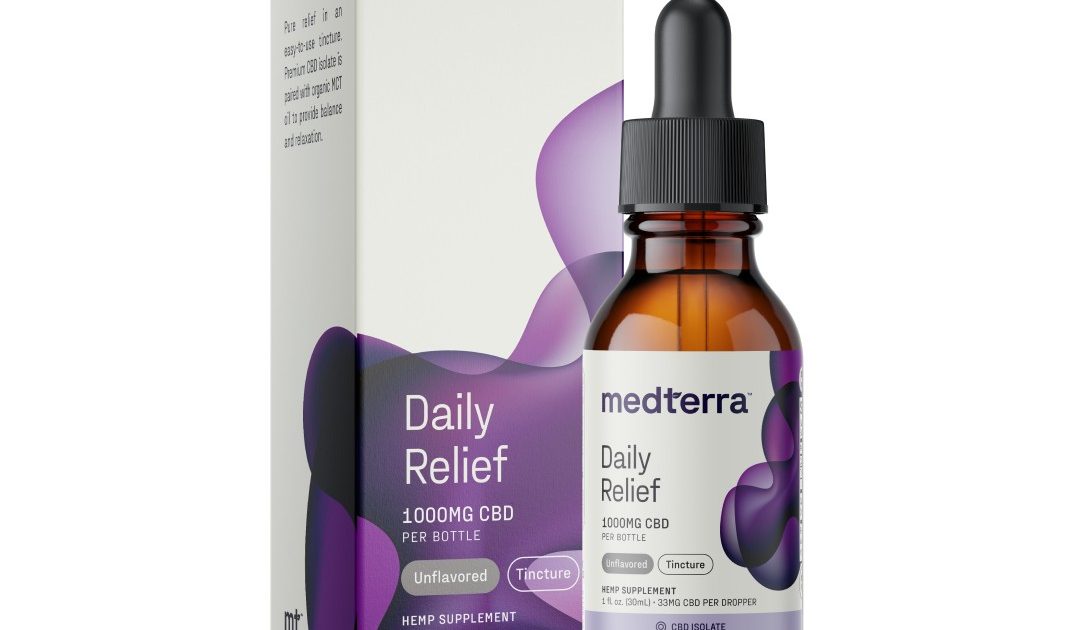
There’s a $12 bottle of CBD oil next to the phone chargers at my corner gas station. It’s been there for months, no lab report, no brand you’d recognize, and someone buys it, because it’s cheap and it’s right there. That bottle is the real competition for a brand like this one — not other premium hemp companies, but the shelf-CBD economy of drugstores, gas stations, and vape counters. So this is a straight look at Medterra vs drugstore CBD, and the one question underneath it: does the US Hemp Authority certification on Medterra’s label actually buy you anything, or is it just another sticker?
Quick framing, because it changes everything. CBD sold as a supplement isn’t approved or evaluated by the FDA. There’s no federal gatekeeper checking that the milligrams on the front match what’s in the bottle. That gap is exactly why the cheap stuff can be so cheap — nobody’s making it prove anything — and it’s why third-party verification became the thing that separates a real product from a hopeful one.
SHOP MEDTERRA →
What the US Hemp Authority certification actually is
The US Hemp Authority Certification is an industry self-regulatory program. To carry the seal, a company submits to independent audits covering how it grows, manufactures, tests, and labels its hemp products — the kind of quality-control paperwork the FDA doesn’t require for CBD. Medterra is a certified participant, and it also publishes a Certificate of Analysis, a third-party lab report, for its products, so you can pull up the actual cannabinoid breakdown before you buy.
Two honest limits on that. First, the certification is run by the industry, not a government body, so it’s a credible standard rather than a legal guarantee. Second, a seal is only as good as the testing behind it — which is why the published COA matters more than the logo. But set that against the gas-station bottle, which offers neither an audit nor a lab report, and the difference in what you can actually verify is enormous.
Why label accuracy is the whole ballgame
Here’s the evidence that made me stop buying random CBD. A widely cited study published in JAMA tested CBD products sold online and found that nearly seven in ten were inaccurately labeled for potency — some had far less CBD than claimed, some had more, and a number contained measurable THC that wasn’t disclosed. That’s the drugstore-CBD lottery in a nutshell: you don’t know if you’re getting 500mg, 200mg, or a splash of hemp oil with a big number printed on it.
This is where certification and published testing earn their price. When Medterra says its 1000mg Daily Relief isolate tincture is 1000mg — roughly 33mg per dropper across a 30-serving, 1 fl oz bottle — there’s a lab report you can check against that claim. The marked dropper (0.25, 0.5, 0.75, 1mL) even lets you titrate an exact dose, which the fixed pour of a mystery bottle can’t. You’re not paying more for magic. You’re paying for the number on the label being true.
| Factor | Medterra (certified) | Typical drugstore / gas-station CBD |
|---|---|---|
| US Hemp Authority certified | Yes | Rarely |
| Third-party COA published | Yes, per product | Usually none |
| Label-accuracy risk | Verifiable against lab report | High — often mislabeled |
| Spectrum choice | Isolate, broad, full-spectrum | Vague or unstated |
| Entry price | 500mg isolate ~$39.99 | Often $10–$20 |
Where drugstore CBD still wins — and where it doesn’t
I won’t pretend the cheap bottle has no appeal. It’s cheaper up front and you can grab it without waiting for shipping. If your goal is to spend twelve bucks and find out whether CBD does anything for you at all, fine. But “cheaper per bottle” and “cheaper per verified milligram” aren’t the same thing. Medterra’s 500mg isolate runs about $39.99 (roughly 8 cents a milligram, less on subscription), and every one of those milligrams is backed by a test. A $15 bottle claiming 500mg that actually holds 150mg is the more expensive product — you just find out later.
My honest gripe is that certification isn’t a personality. Medterra is dependable rather than exciting, its isolate is pure CBD with zero THC — which means no entourage effect if that’s what you’re after — and the seal doesn’t tell you the product will work for your particular body. Certification narrows the risk of getting cheated; it doesn’t promise a result. For that reason I still tell people to start low, give any CBD a couple of weeks, and judge it on how you feel, not on the marketing.
A few caveats that apply to all of it. Hemp-derived CBD is legal federally under the 2018 Farm Bill as long as it stays under 0.3% Delta-9 THC by dry weight, but state laws vary. Full-spectrum products carry trace THC and can trigger a positive drug test, so choose isolate or broad-spectrum if you’re screened at work. And none of these products are evaluated by the FDA or intended to diagnose, treat, cure, or prevent any disease. The value of certification isn’t that it makes CBD medicine — it’s that it makes the label honest.
SHOP MEDTERRA →
Frequently asked questions
Is Medterra worth more than cheap drugstore CBD?
If you care whether the milligrams are real, yes. Medterra is US Hemp Authority certified and publishes third-party lab reports, so its potency claims are verifiable. Drugstore and gas-station CBD rarely offers either, and independent testing has repeatedly found unbranded CBD mislabeled — meaning the cheaper bottle can cost more per milligram you actually receive.
What does US Hemp Authority certification prove?
It shows a company passed independent audits of its growing, manufacturing, testing, and labeling practices — quality controls the FDA doesn’t require for CBD. It’s an industry self-regulatory standard, not a government approval, so pair the seal with the product’s published Certificate of Analysis for the fullest picture.
Why isn’t CBD just FDA-approved so I don’t have to check?
Because CBD sold as a supplement isn’t evaluated or approved by the FDA, there’s no federal check that a label is accurate. That regulatory gap is exactly why third-party testing and certifications like the US Hemp Authority’s exist — they fill a verification role the government currently doesn’t.
Will Medterra show up on a drug test?
Its isolate products are third-party tested to zero THC and are the safest choice for tested employees. Broad-spectrum removes THC too, while full-spectrum contains trace THC that can trigger a positive result. Check the spectrum before you buy if screening is a concern.
Related reading
Affiliate & medical disclosure: This review is independent and for information only, not medical advice. Some links may be affiliate links; we may earn a commission at no cost to you, which never affects our score. Consult a licensed provider before starting any product.