Inner Balance in 2026: An Honest Look at the Program and What It Costs
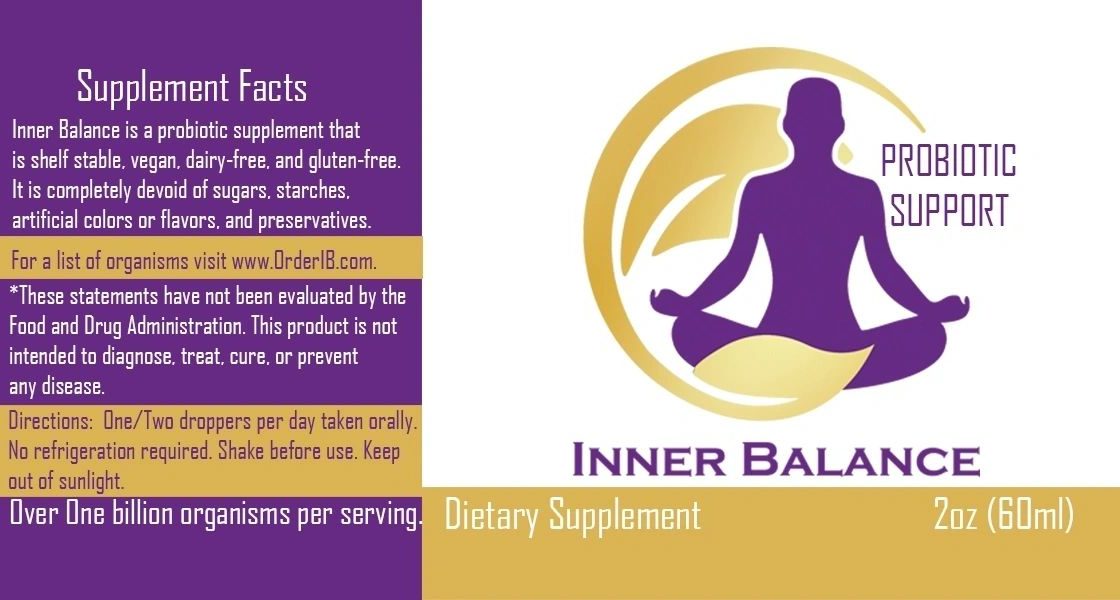
The Inner Balance bottle is small. Two ounces, a dropper cap, a label that tells you to shake it and keep it out of sunlight. It looks less like a weight product and more like a tincture your herbalist aunt would hand you, and that first impression tells you almost everything about who this is for and who’s going to be disappointed. This is an honest Inner Balance review of what the program actually is, what a bottle gets you, and what it costs you to try.
Let me be direct about the category first. Inner Balance is not a fat burner. There’s no caffeine kick, no thermogenic promise, no before-and-after in six weeks. It’s a liquid probiotic sold on the idea that fixing the gut is the slow lever behind metabolism and weight. Whether you buy that framing decides whether the rest of this matters to you.
What an Inner Balance bottle actually is
Here are the numbers straight off the label, because the marketing copy elsewhere is vague. One bottle is 2oz (60ml). The dose is one or two droppers a day, taken orally, and each serving delivers over one billion live organisms. It’s shelf-stable, so no refrigeration — you shake it, you take it, you leave it in a drawer. The formula is vegan, dairy-free, gluten-free, and free of sugars, starches, artificial colors, flavors and preservatives. That’s a genuinely clean profile for a liquid supplement, and the no-fridge part matters more than it sounds if you travel or just forget things in the pantry.
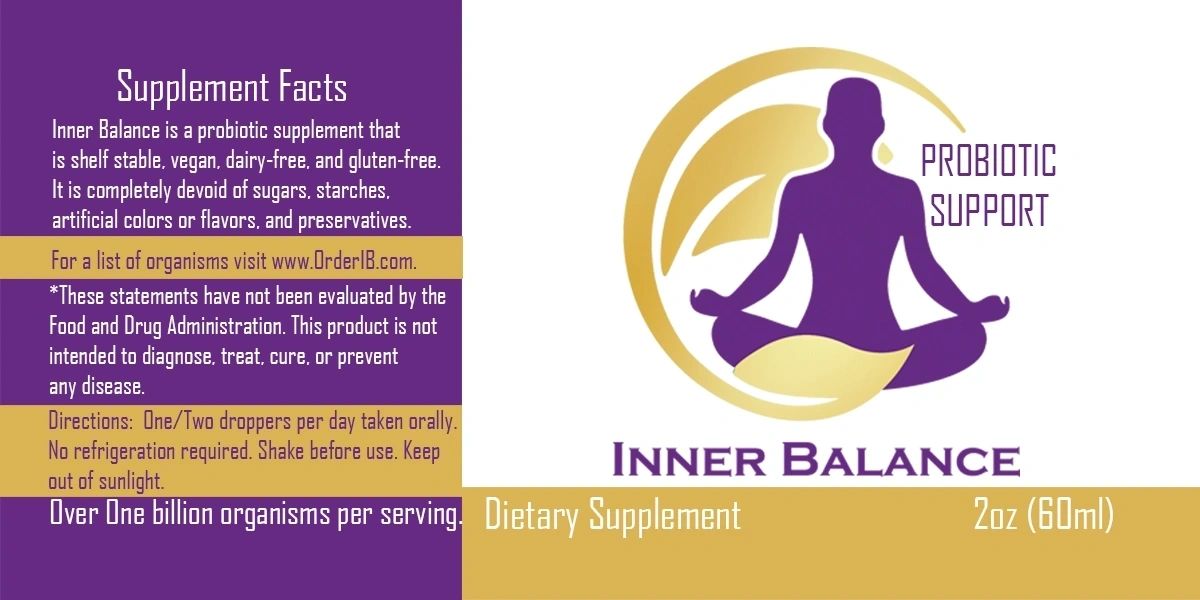
A couple of drops a day out of a 60ml bottle means, depending on whether you run one dropper or two, a bottle stretches roughly three to six weeks. Call it a monthly habit. That framing matters when you get to value, because you’re not buying a one-time transformation — you’re signing up for a recurring, gradual thing.
The honest part: what a billion organisms buys you
Over one billion organisms per serving sounds like a lot until you look at the field. Plenty of clinical probiotic studies use doses in the range of one to ten billion CFU or higher, and the NIH Office of Dietary Supplements is blunt about the reason a big number alone means little: probiotic effects are strain-specific and dose-specific. A particular strain at a particular dose does a particular thing. So “over one billion organisms” is honest but modest, and it leaves an obvious question the label doesn’t answer.
Which strains? The label sends you to the website “for a list of organisms,” and the website, at least as it stands, doesn’t clearly publish that list. That’s my one real gripe. For a product whose entire pitch is gut science, not naming the strains is a transparency gap, and a strain-specific supplement that won’t name its strains asks you to take the mechanism on faith. Third-party testing, which the brand does claim, is reassuring on purity but doesn’t fill that particular hole.
What it costs and how to think about value
Inner Balance doesn’t post a big price grid on its storefront the way a supplement giant would — you see the real number at checkout through its retail offer, and it moves with whatever promotion is running. So instead of quoting a figure that’ll be stale next week, judge it this way: you’re paying for a roughly monthly bottle of a clean, shelf-stable liquid probiotic, and the fair comparison isn’t a $12 bottle of drugstore capsules — it’s whether a liquid dropper format at a modest CFU is worth a premium to you over a higher-count capsule.
| Factor | Inner Balance | Typical probiotic capsule | Stimulant fat burner |
|---|---|---|---|
| Format | Liquid dropper, 2oz | Capsule | Capsule/powder |
| Dose per day | 1–2 droppers | 1–2 capsules | 1–3 capsules |
| Organisms/serving | Over 1 billion | Often 5–50 billion CFU | None (stimulant-based) |
| Refrigeration | Not required | Often required | Not required |
| Approach | Gut-first, gradual | Gut-first | Appetite/energy, fast |
| Strains named on label | No (site referral) | Usually yes | N/A |
| Stimulants | None | None | Yes (caffeine, etc.) |
Read that table honestly and the picture is a product that wins on format and cleanliness and loses on disclosed potency. As a dietary supplement, none of these claims are evaluated by the FDA the way a drug would be, so treat the whole category as support for habits, not a replacement for them.
Who it fits
Inner Balance makes sense for a specific person. You already eat reasonably well, you’re not chasing dramatic weight loss, and you want a low-effort gut habit that won’t jangle you like caffeine or need a cooler bag on a trip. The dropper is easy, the clean-ingredient profile is real, and gradual is exactly what you signed up for.
Skip it if you want a number on the scale to move in a month, if you specifically want a high-CFU, named-strain probiotic you can research, or if paying a premium for a liquid format over cheaper capsules feels like paying for packaging. And if you take medication, are pregnant, or have a health condition, run it past your doctor first — that’s true for any supplement, and doubly so for anything touching the gut.
Frequently asked questions
How do you take Inner Balance?
One or two droppers a day, taken orally. Shake the bottle before each use, and store it out of direct sunlight — no refrigeration needed, which makes it easy to travel with.
How long does one bottle last?
It’s a 2oz (60ml) bottle. At one dropper a day it can stretch toward six weeks; at two droppers it’s closer to three. Plan on it as a roughly monthly repurchase.
Does Inner Balance directly cause weight loss?
No, and it doesn’t claim to be a fat burner. It’s a probiotic aimed at gut and metabolic support, so any effect is indirect and gradual, and it works alongside diet and activity rather than instead of them.
Is over one billion organisms per serving enough?
It’s on the modest end. Many probiotics run 5–50 billion CFU, but the NIH notes potency is strain- and dose-specific, so a higher number isn’t automatically better. The bigger question here is which strains you’re getting, since the label doesn’t list them.
Related reading
Affiliate & medical disclosure: This review is independent and for information only, not medical advice. Some links may be affiliate links; we may earn a commission at no cost to you, which never affects our score. Consult a licensed provider before starting any product.