Food Cravings Explained: The Biology Behind Sugar and Salt Urges
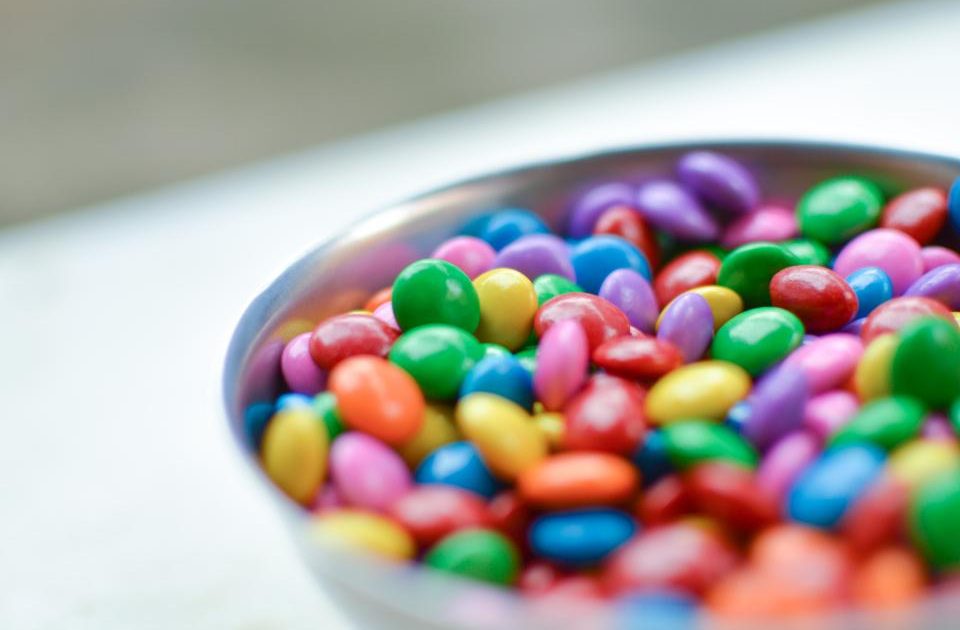
A craving for something sweet or salty rarely feels like a rational decision — it feels urgent, specific, and hard to argue with. That intensity is exactly why so many people assume cravings represent a personal willpower failure, when they’re actually the product of overlapping biological systems working as designed, just not always in your long-term interest.
Understanding what’s actually driving a craving — blood sugar swings, sleep debt, stress hormones, or genuine nutrient gaps — makes it much easier to respond effectively instead of either giving in indiscriminately or white-knuckling through sheer restriction.
What a Craving Actually Is
A craving is a strong, specific desire for a particular food, distinct from general hunger, which tends to be less picky about what satisfies it. Cravings are driven by a mix of physiological signals (blood sugar, hormones, gut-brain communication) and psychological or environmental triggers (stress, habit, emotional associations, and even the sight or smell of a specific food).
Sugar and salt cravings specifically tap into some of the brain’s most ancient reward pathways. Sweet and salty tastes were valuable, calorie-dense, and mineral-rich signals throughout most of human evolutionary history, and the brain’s dopamine-driven reward response to them hasn’t caught up to a food environment where they’re now abundant and heavily engineered to be appealing.
The Role of Blood Sugar Swings
Eating a meal or snack high in refined carbohydrates without much protein, fat, or fiber causes a rapid rise in blood sugar, followed by a comparably rapid drop as insulin clears glucose from the bloodstream. That drop is a well-documented trigger for renewed hunger and, specifically, cravings for more quick-acting carbohydrates to bring blood sugar back up.
This creates a cycle: a sugary snack leads to a blood sugar spike and crash, which triggers another craving for something sweet within a couple of hours, reinforcing the same pattern repeatedly throughout the day.
- Meals low in protein, fat, and fiber cause faster blood sugar swings.
- Blood sugar crashes are a common, well-documented trigger for renewed sugar cravings.
- Balanced meals with adequate protein and fiber help stabilize this cycle.
Sleep, Stress, and Hormonal Drivers
The CDC notes that roughly one in three US adults do not get enough sleep on a regular basis, and inadequate sleep has a direct, measurable effect on appetite-regulating hormones. Poor sleep tends to raise ghrelin (which stimulates hunger) and lower leptin (which signals fullness), a hormonal shift that specifically increases cravings for high-calorie, carbohydrate-dense foods the next day.
Chronic stress operates through a related but distinct pathway: elevated cortisol is associated with increased appetite and a documented preference for foods high in sugar and fat, sometimes described informally as “stress eating.” This isn’t a character flaw — it reflects real changes in appetite-regulating hormones under sustained stress.
- Inadequate sleep shifts hunger hormones (ghrelin and leptin) in a direction that increases cravings.
- Elevated cortisol from chronic stress is linked to preference for high-sugar, high-fat foods.
- Addressing sleep and stress often reduces craving intensity more effectively than willpower-based strategies alone.
Do Cravings Signal Real Nutrient Deficiencies?
This is one of the most persistent nutrition myths: that a chocolate craving means you’re deficient in magnesium, or a craving for salty chips means your body needs sodium. In most well-nourished people, cravings are far more often driven by habit, taste preference, blood sugar patterns, or emotional state than by a specific measurable nutrient deficiency.
There are some legitimate exceptions — unusual cravings for non-food substances (a condition called pica) can occasionally signal iron deficiency, for example — but these are distinct from everyday cravings for cookies or chips, which rarely map cleanly onto a specific missing nutrient the way folk wisdom suggests.
How to Apply This: Managing Cravings Practically
The goal isn’t necessarily to eliminate cravings entirely, which is unrealistic and often backfires, but to reduce their frequency and intensity while handling the ones that do show up more skillfully.
- Build meals around protein, fiber, and healthy fats to reduce blood sugar swings that trigger repeat cravings.
- Prioritize the National Sleep Foundation’s recommended 7-9 hours of sleep per night; even one or two nights of poor sleep can measurably increase next-day cravings.
- Address chronic stress with whatever genuinely works for you — exercise, breathing techniques, or simply protecting downtime — since cortisol-driven cravings respond to stress reduction, not just dietary willpower.
- Don’t skip meals in an attempt to “save calories,” since prolonged hunger often backfires into a stronger craving and overeating later.
- If a craving is persistent, wait 10-15 minutes and drink some water first; some cravings are partly driven by mild dehydration or simple habit rather than true physiological need.
- Allow planned, moderate indulgence of favorite foods rather than framing them as entirely forbidden, since rigid restriction often intensifies cravings for the exact food being avoided.
When Cravings Might Reflect Something More
Occasional cravings are a completely normal part of eating. However, cravings paired with other symptoms — unexplained fatigue, hair changes, unusual cravings for non-food items, or significant unintentional weight change — are worth discussing with a healthcare provider, since they can occasionally point to an underlying issue like a nutrient deficiency or hormonal condition that deserves proper evaluation rather than self-diagnosis.
Individual variation is considerable here: genetics, taste sensitivity, culture, and personal food history all shape how strongly someone experiences cravings and which foods trigger them most.
Are sugar cravings a sign of addiction?
Sugar activates the brain’s reward pathways strongly, and some researchers describe craving patterns using addiction-like language, but this remains a topic of ongoing scientific discussion rather than a settled clinical diagnosis for most people.
Why do cravings happen more at night?
Decision fatigue, accumulated stress from the day, and natural circadian shifts in appetite hormones can all make cravings feel stronger in the evening for many people.
Does drinking water really reduce cravings?
For some people, yes, particularly when a craving is actually mild dehydration or habitual snacking rather than true hunger. It’s a low-cost strategy worth trying before assuming a craving must be satisfied with food.
Is it bad to give in to cravings sometimes?
No. Occasional, moderate indulgence is a normal part of a sustainable eating pattern. Problems tend to arise from either constant giving in without any structure or extremely rigid restriction that backfires into stronger cravings later.
Related reading
Affiliate & medical disclosure: This review is independent and for information only, not medical advice. Some links may be affiliate links; we may earn a commission at no cost to you, which never affects our score. Consult a licensed provider before starting any product.