DNA Genetics Seed Buying Guide: Feminized, Autoflower or Regular?
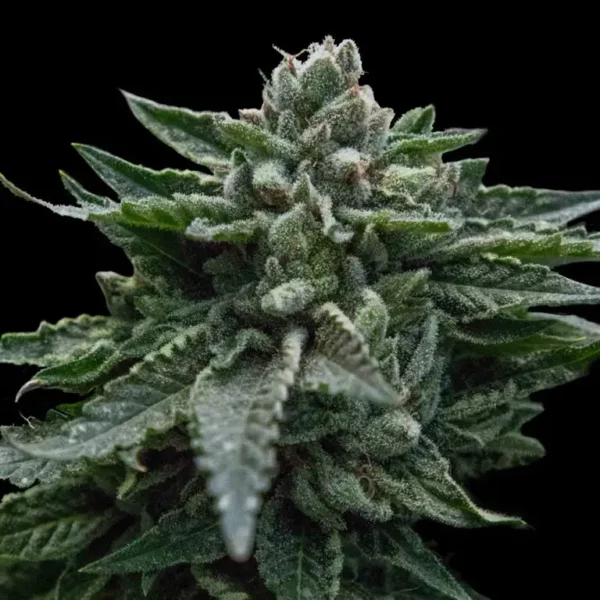
Seed shopping punishes the unprepared. Strain names are marketing, awards are history, and the genuinely important information — flowering time, plant structure, seed type — is usually buried below a photograph. DNA Genetics has been breeding since 2004 and claims over 200 industry awards, which makes it a good catalog to learn on, provided you know what you are reading.
This guide covers the three seed types, how to match genetics to your setup, and the legal reality that comes before any of it.
The three seed types, decoded
- Feminized seeds — bred to produce almost exclusively female plants. Removes the job of identifying and removing males, which is why they dominate home growing.
- Autoflower seeds — flower based on age rather than light schedule. Shorter timelines, simpler lighting, generally smaller yields. The most forgiving option for beginners.
- Regular seeds — produce both males and females. Relevant mainly to breeders who need males for crossing work, not to most growers.
DNA Genetics carries all three, alongside filters organized by grower intent: high-yield, high-THC, beginner-friendly, fast-flowering, medicinal and outdoor. Those filters are the most useful navigation tool on the site.
Why breeding stability is what you are paying for
An established breeder’s real product is consistency. Stable genetics mean plants from the same pack express similar height, structure, flowering time and cannabinoid profile — which is what lets you plan a space, a schedule and a harvest. Unstable genetics produce a scattered crop that is hard to manage no matter how skilled you are.
Two decades of selection work is the credible core of DNA Genetics’ pitch. Awards alone are marketing; awards sustained across many years suggest lines that perform in other growers’ hands, which is a different and more meaningful signal.
Matching genetics to your actual space
- Small indoor tent: favour autoflower or compact feminized lines with shorter flowering times. Tall sativas will fight your ceiling.
- Larger indoor room: high-yield feminized genetics make sense once you can control light, humidity and airflow properly.
- Outdoor plot: use the outdoor filter, and pay close attention to flowering time against your local first-frost date.
- First attempt ever: beginner-friendly plus fast-flowering, every time. A finished modest harvest teaches more than an ambitious failure.
Cost and shipping realities
DNA Genetics ships to most US states with the exceptions of Kentucky and Kansas, and orders over $120 ship free. Premium genetics carry premium pricing, so the free-shipping threshold is easy to reach if you were buying more than one pack anyway. There is also a Seed Vault Club membership for repeat buyers and collectors, plus a wholesale channel for commercial operations.
A practical note on value: seeds are a small fraction of the total cost of growing. Lighting, medium, nutrients, environmental control and electricity dwarf the seed price over a full cycle. Buying cheap genetics to save $20 while spending hundreds on everything else is a false economy.
The legal part, which comes first
Cannabis cultivation law varies enormously between states, counties and municipalities, and buying seeds is legally distinct from being permitted to grow them. Any seller’s shipping list reflects a business decision, not legal clearance for you. Verify the rules that apply where you live before ordering, and note that products are intended for adults 21 and over. This guide is information, not legal advice.
It is also worth setting expectations about outcomes. Genetics establish a ceiling; environment determines whether you approach it. Light intensity, nutrient management, humidity, pest pressure and consistency of attention influence the final result at least as much as the pack you choose. Experienced growers say the same thing repeatedly: good genetics make a competent grower’s work easier, but they do not rescue an unsuitable space or an inconsistent routine.
Pros and cons
Strengths
- Two decades of breeding history and broad name recognition
- All three seed types plus intent-based catalog filters
- THCa flower, Seed Vault Club and wholesale options alongside seeds
- Free US shipping over $120
- Reputation for stability across many strains
Limitations
- Legality is entirely the buyer’s responsibility
- No shipping to Kentucky or Kansas
- Premium pricing versus budget seed banks
- Results still depend heavily on grower skill and environment
Bottom line
DNA Genetics is a sensible place to buy if you approach it in the right order: confirm your local law, choose the seed type that matches your experience, then filter by what your space can actually support. Do that and two decades of breeding work is genuinely on your side. Skip those steps and even award-winning genetics will not save the grow.
Budgeting a first grow honestly
Seeds are the smallest line item in a grow. Lighting, growing medium, nutrients, environmental control and electricity account for the overwhelming majority of the cost across a full cycle, which is why choosing cheap genetics to save a small amount while spending far more on everything else is a false economy. If your budget is tight, reduce the scale rather than the seed quality.
The second budget item people underestimate is time. A photoperiod plant typically spends several weeks in vegetative growth before a flowering period measured in weeks more, and every one of those weeks needs consistent attention to watering, feeding and environment. Autoflowering genetics compress that timeline, which is one of the strongest arguments for choosing them on a first attempt: a shorter cycle means a faster feedback loop and less accumulated risk from a single mistake.
Frequently asked questions
Which seed type is best for beginners?
Autoflower or beginner-friendly feminized lines — both remove male-plant management, and autoflowers shorten the timeline considerably.
What makes DNA Genetics different?
Two decades of breeding since 2004, more than 200 claimed industry awards, and a catalog organized by grower intent rather than strain names alone.
Where does DNA Genetics ship?
Most US states except Kentucky and Kansas, with free shipping over $120.
Is buying seeds legal where I live?
That depends on your state and locality, and buying is not the same as being permitted to cultivate. Check your own rules before ordering.
Do better genetics guarantee a better harvest?
No. Genetics set the ceiling; light, nutrients, humidity, pest control and consistency determine whether you reach it.
Related reading
Affiliate & medical disclosure: This review is independent and for information only, not medical advice. Some links may be affiliate links; we may earn a commission at no cost to you, which never affects our score. Consult a licensed provider before starting any product.