Cured Nutrition vs Standard CBD: Are the Functional Blends Worth It?
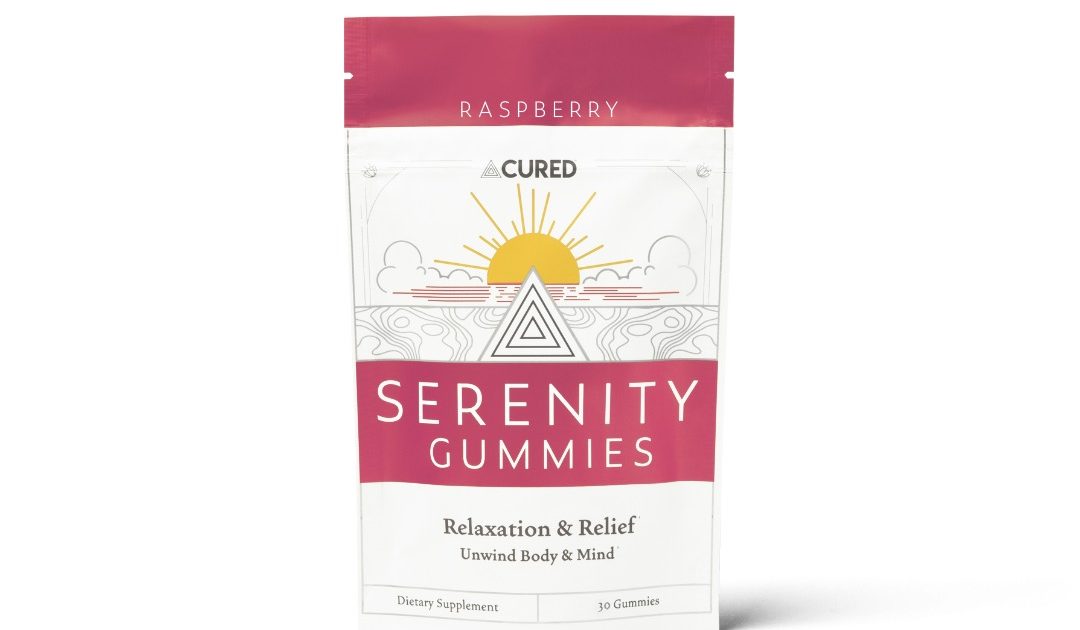
Flip over a bag of Cured Nutrition Serenity Gummies and the ingredient panel reads less like a CBD product and more like a supplement stack: full-spectrum hemp, sure, but also 150mg of L-theanine, a concentrated reishi extract, and ashwagandha. That’s the whole pitch in one label. The Cured Nutrition vs standard CBD debate isn’t really about the CBD at all — it’s about whether the extra adaptogens and nootropics earn the extra $20 you’re paying for the jar.
I’ve used plain CBD oil for years and I’ve cycled through a few of these functional blends, so let me lay out where the money goes, what the added ingredients are actually doing, and whether the upgrade is worth it for you specifically.
Cured Nutrition vs standard CBD: what you’re really paying for
Standard CBD is simple. You’ve got cannabidiol — full-spectrum, broad-spectrum, or isolate — suspended in a carrier oil, and that’s the product. It’s cheap-ish, predictable, and does one job. Cured takes that base and builds a formula on top of it aimed at a specific outcome: calm, sleep, or focus. Serenity Gummies pair the hemp with L-theanine (150mg), reishi mushroom (8:1 extract, 20mg), and ashwagandha (10:1, 12mg). Dream Gummies stack CBD with CBN, a microdose of THC, plus valerian, passionflower, and chamomile for sleep. Their older Zen and Rise oils did the same trick — reishi for night, an energizing blend for day.
| Standard CBD oil/gummy | Cured functional blend | |
|---|---|---|
| Active ingredients | CBD only (+ carrier) | CBD + adaptogens/nootropics (reishi, ashwagandha, L-theanine, CBN) |
| Targeted goal | General | Calm (Serenity), sleep (Dream), focus/energy (Flow, Rise) |
| THC | Often 0 or trace | Microdose THC in Serenity/Dream (THC-free versions exist) |
| Typical price | ~$30-50 | ~$50-60 per jar (30ct) |
| Best for | Simplicity, lowest cost | People who’d otherwise buy CBD + a separate adaptogen |
Do the adaptogens actually add anything?
Here’s my honest read. L-theanine at 150mg is a legitimate dose — it’s the amino acid in green tea that takes the edge off without sedation, and 150mg is in the range people actually use for that. Ashwagandha and reishi are traditional adaptogens with a real body of use behind them, though the amounts here (12mg and 20mg of concentrated extract) are on the lighter side compared to a standalone ashwagandha capsule. So the blends aren’t fairy dust, but they’re not megadoses either. The value question comes down to convenience: if you were already going to take CBD and an adaptogen, Cured packs both into one gummy, and that’s genuinely easier than juggling two bottles.
There’s also a transparency angle worth crediting. Cured publishes third-party COAs and lists exact ingredient amounts rather than hiding everything behind a proprietary-blend label, which is more than a lot of “functional” gummies bother to do. When a brand tells you it’s 20mg of reishi and not just “mushroom complex,” you can at least judge whether the dose is meaningful. That doesn’t make the blend work better, but it makes it easier to trust what you’re swallowing.
What Cured does not do is make medical claims, and neither will I. The FDA has not evaluated or approved CBD or these ingredients to diagnose, treat, or cure anxiety, insomnia, or any condition. Effects vary a lot person to person, and adaptogens tend to work subtly over weeks, not in one dramatic dose.
The THC detail people miss
Serenity and Dream contain a microdose of THC — the label lists up to 0.3% THC by weight, which keeps them legal under the 2018 Farm Bill (hemp products must stay at or under 0.3% delta-9 THC by dry weight). It’s a small amount, but it’s not nothing. If you’re drug tested for work, that trace THC can trigger a positive, and full-spectrum hemp is exactly the kind of thing that shows up. Cured does sell THC-free versions of both — the THC-Free Serenity and THC-Free Dream — so if that’s a concern, buy those instead.
Standard THC safety applies to the microdosed products: you should be 21+, state laws on hemp-derived THC vary and a few states restrict it, don’t drive or operate machinery after taking them, and start with half a gummy your first night to see how you react. Low and slow, always.
So are the functional blends worth it?
For the right buyer, yes. If you’re the type who reads supplement labels and already stacks CBD with ashwagandha or L-theanine, Cured saves you money and cabinet space by combining them, and the doses are reasonable. If you just want CBD and nothing else — or you’re pinching pennies — a plain full-spectrum oil does the core job for less. My gripe: the price creeps up fast once you’re buying bundles, and the microdose THC in the flagship gummies is easy to overlook if you skim the label. Read it. Then decide whether the stack matches what you’d have bought separately anyway.
What exactly is in Cured’s Serenity Gummies besides CBD?
Full-spectrum hemp extract plus L-theanine (150mg), organic reishi extract (8:1, 20mg), and ashwagandha (10:1, 12mg), in a fruit-flavored pectin gummy. It’s built as a stress-and-calm formula rather than a plain CBD gummy.
Will Cured Nutrition gummies show up on a drug test?
The standard Serenity and Dream gummies contain a microdose of THC (within the legal 0.3% limit), which can cause a positive on a workplace drug screen. If you’re tested, choose the THC-Free Serenity or THC-Free Dream versions, which are formulated without it.
Serenity or Dream — which Cured blend should I pick?
Serenity is the daytime-into-evening calm blend (L-theanine, reishi, ashwagandha). Dream is the dedicated sleep formula, stacking CBD and CBN with valerian, passionflower, and chamomile. Pick Serenity for stress, Dream for actually falling and staying asleep.
Is a functional blend better than taking CBD and supplements separately?
Not better, just more convenient, and often cheaper than buying two products. You give up the ability to dial each ingredient independently. If you want to fine-tune your ashwagandha dose, buy it separately; if you want one thing to grab at night, the blend wins.
Read the label, match it to what you’d have bought anyway, and the value math sorts itself out.
Related reading
Affiliate & medical disclosure: This review is independent and for information only, not medical advice. Some links may be affiliate links; we may earn a commission at no cost to you, which never affects our score. Consult a licensed provider before starting any product.