Cooking Oil Smoke Points: Choosing the Right Oil for High-Heat Cooking
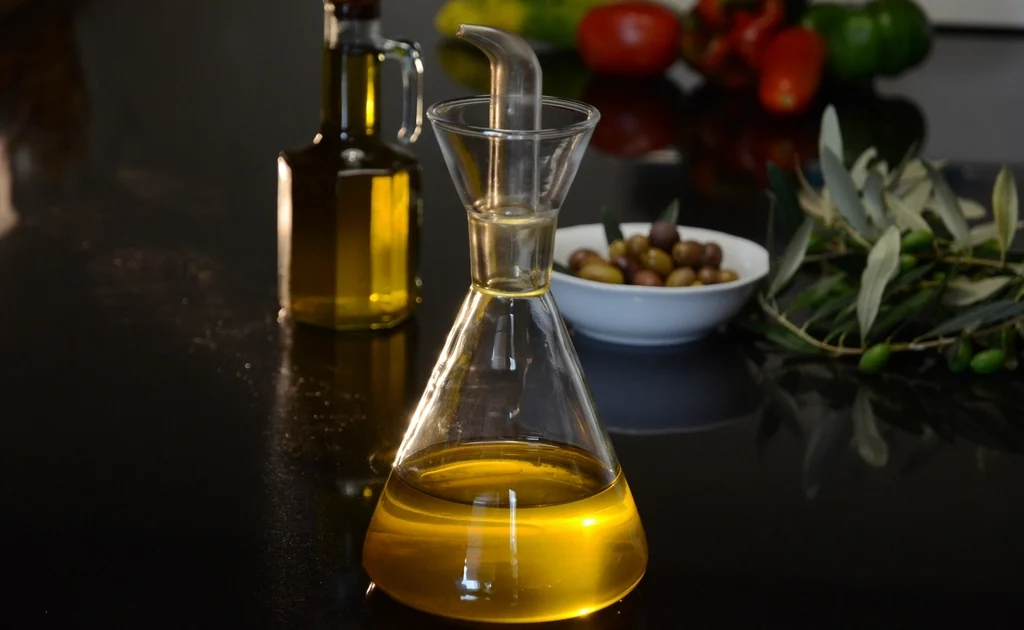
That acrid, burnt smell that fills your kitchen when a pan gets too hot isn’t just unpleasant — it’s a sign your cooking oil has broken down and started producing compounds you don’t want in your food. Every oil has a smoke point, the temperature at which it stops shimmering and starts smoking, and choosing the wrong one for the job is one of the most common, invisible mistakes in home cooking.
With so many oils on grocery shelves — avocado, olive, canola, coconut, sesame, and more — each with different smoke points, flavors, and nutritional profiles, it’s worth understanding which oil actually belongs in which pan.
What Smoke Point Actually Means
Smoke point is the temperature at which an oil begins to visibly smoke and break down, releasing free fatty acids and, at higher temperatures, potentially harmful compounds like acrolein. Once an oil passes its smoke point, it doesn’t just taste worse — it also loses beneficial nutrients and can develop a bitter, acrid flavor that carries into the food.
Refining level is the biggest factor in smoke point. More refined oils have had impurities, free fatty acids, and particulates removed, which raises their smoke point substantially. This is why a refined avocado oil can handle much higher heat than an unrefined, cold-pressed extra virgin olive oil, even though both come from similar source ingredients. Fat composition plays a role too: oils higher in saturated and monounsaturated fats (like refined avocado or peanut oil) tend to tolerate heat better than oils high in polyunsaturated fats (like flaxseed or unrefined walnut oil), which are more chemically unstable at high temperatures and break down faster.
Smoke Points by Oil Type
General ranges (these vary somewhat by brand and refining method):
- High smoke point (roughly 400-520°F): Refined avocado oil, refined safflower oil, refined peanut oil, light/refined olive oil — suited for searing, deep-frying, and stir-frying
- Medium-high smoke point (roughly 350-400°F): Canola oil, vegetable oil, unrefined sesame oil, virgin olive oil — suited for sauteing and roasting
- Lower smoke point (roughly 300-375°F): Extra virgin olive oil, unrefined coconut oil, butter, flaxseed oil — best used for low-heat cooking, baking, or finishing dishes rather than high-heat searing
These are approximate ranges rather than fixed numbers, since factors like age, storage, and exact processing method shift a given bottle’s actual smoke point.
Why the Right Oil Matters Beyond Flavor
Choosing an oil suited to your cooking temperature isn’t just about taste. Research consistently shows that repeatedly heating oils past their smoke point, especially oils reused multiple times for frying, can increase the formation of oxidized compounds and trans fats. The Academy of Nutrition and Dietetics notes that minimizing repeated high-heat exposure and reuse of cooking oils is a reasonable practical step for reducing intake of these breakdown products.
There’s also a nutrient-preservation angle. Extra virgin olive oil, for example, retains more of its polyphenol antioxidant content when used at lower temperatures or as a finishing oil rather than heated past its smoke point, where some of those beneficial compounds degrade.
Common Mistakes in the Kitchen
The most frequent mistake is using extra virgin olive oil for high-heat searing or deep-frying. It’s a fantastic oil nutritionally and for flavor, but its lower smoke point (roughly 350-410°F depending on quality) makes it a poor match for a screaming-hot cast iron pan. Another common error is reusing frying oil many times without monitoring for a lowering smoke point or off smells, both signs the oil has degraded.
Storing oils near heat or light also accelerates breakdown even before cooking begins, which is why oils like flaxseed and unrefined walnut oil are often recommended for refrigerated storage.
How to Apply This: Matching Oil to Cooking Method
- Deep-frying or searing (400°F+): Use refined avocado, refined peanut, or refined safflower oil
- Stir-frying or roasting (350-400°F): Canola oil, refined sesame oil, or virgin olive oil work well
- Sauteing at moderate heat (below 350°F): Extra virgin olive oil is a solid, flavorful choice here
- No heat — dressings, drizzling, finishing: Use extra virgin olive oil, flaxseed oil, or walnut oil to preserve their flavor and nutrient content
- General storage tip: Keep oils in a cool, dark place, and buy smaller bottles of delicate oils you don’t use often so they don’t go rancid before you finish them
Reading Labels for Smoke Point Clues
Labels don’t always list an exact smoke point, but a few clues help. Terms like “refined,” “light,” or “pure” on a label generally indicate a higher smoke point than “extra virgin,” “cold-pressed,” or “unrefined” versions of the same oil. Color and clarity are also rough indicators — more refined oils tend to be lighter in color and more transparent, while unrefined oils often have a deeper color and slightly cloudy appearance from residual plant material.
Is it dangerous to cook past an oil’s smoke point occasionally?
An occasional overheated pan isn’t a major health risk, but it does affect flavor and reduces the oil’s nutritional value. Regularly cooking well past an oil’s smoke point, or repeatedly reusing oil for frying, is the pattern worth avoiding.
Is a higher smoke point always healthier?
Not necessarily. Smoke point reflects heat tolerance, not overall nutritional quality. Some oils with lower smoke points, like extra virgin olive oil, have strong evidence behind their health benefits when used appropriately at lower temperatures.
Can I substitute one oil for another in a recipe?
Often yes, as long as you match the smoke point to your cooking method rather than just swapping based on what’s in the pantry. A high-heat recipe calling for canola oil generally shouldn’t be substituted with unrefined coconut oil.
How can I tell if my cooking oil has gone bad?
Rancid oil typically smells sharp, bitter, or like crayons, and may taste off compared to when it was fresh. If an oil smells noticeably different from when you bought it, it’s best to discard it rather than cook with it. Checking the label for a manufacturing date and buying oils in quantities you’ll realistically use within a few months also helps avoid the slow oxidation that happens even in an unopened bottle sitting on a warm shelf.
Related reading
Affiliate & medical disclosure: This review is independent and for information only, not medical advice. Some links may be affiliate links; we may earn a commission at no cost to you, which never affects our score. Consult a licensed provider before starting any product.