Aspen Green CBD Oil vs Gummies: Which Format Delivers Better Value?
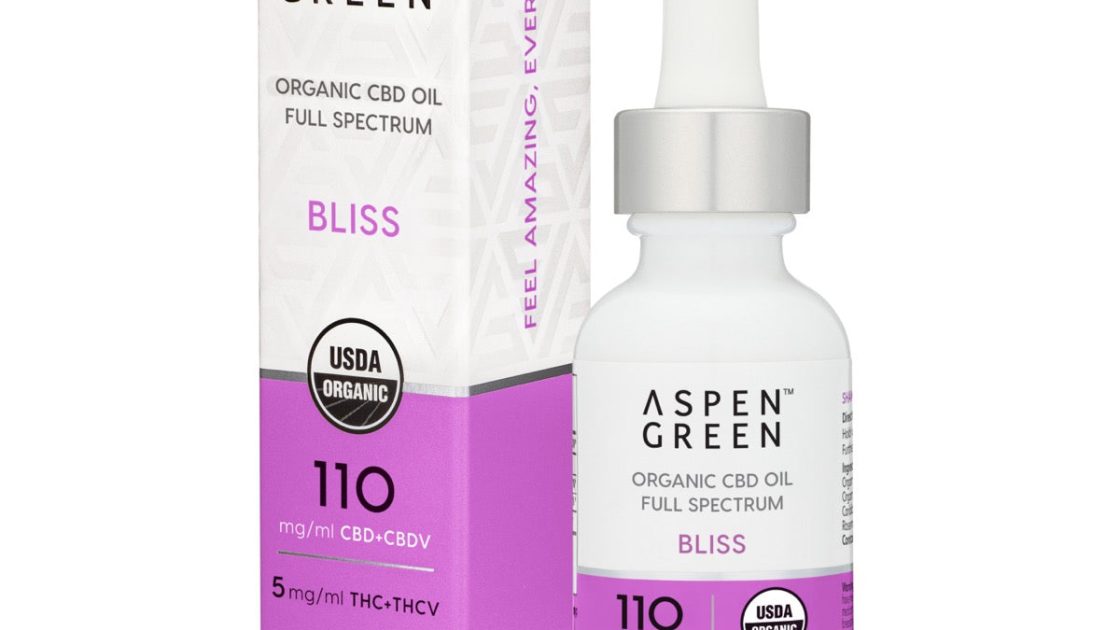
The question I get most about this brand isn’t “is it good” — the awards and the USDA Organic seal have that covered. It’s the one people ask at the checkout screen with two tabs open: should I buy the dropper or the jar? So here’s a focused look at Aspen Green CBD oil vs gummies, run on the numbers that actually decide it — cost per milligram, how fast each one kicks in, and which format fits which day. I went in assuming the oil would be the obvious value pick. It’s more complicated than that, and the surprise runs the other way.
Let’s anchor the comparison in one product family so we’re not mixing apples and oranges. Aspen Green’s Bliss line comes in both formats with the same headline cannabinoid, which makes it the cleanest head-to-head in the catalog. The Bliss oil is a 1 fl oz (30mL) bottle at 110mg/mL of CBD+CBDV, so 3,300mg of CBD+CBDV total, for $139.99. The Bliss gummies are a 30-count jar at 100mg CBD per gummy — 3,000mg total — for $89.99.
SHOP ASPEN GREEN →
Cost per milligram: the result I didn’t expect
Run the division and the folk wisdom falls apart. The Bliss oil works out to about 4.2 cents per mg of CBD. The Bliss gummies come in at roughly 3.0 cents per mg. The gummies — the format everyone treats as the pricey, convenient upsell — are actually the cheaper cannabinoid here, by close to 30%. That flips the usual advice, where oil is pitched as the workhorse value buy and gummies as the treat.
The pattern isn’t universal across the line, though, and this is where you can overpay. Lower-potency oils cost dramatically more per milligram: the Relief oil packs 1,500mg for $149.99, which is a full 10 cents per mg — more than triple the Bliss gummies. And on the gummy side, the 25mg Calm jar ($59.99 for 750mg) lands around 8 cents per mg. Potency, not format, is the real lever on price here. The strongest version of whatever you buy is almost always the better deal per milligram.
| Product | Format | Total CBD | Price | Cost / mg |
|---|---|---|---|---|
| Bliss oil | Tincture (30mL) | 3,300mg CBD+CBDV | $139.99 | ~4.2¢ |
| Bliss gummies | Jar (30 ct) | 3,000mg | $89.99 | ~3.0¢ |
| Calm gummies | Jar (30 ct) | 750mg | $59.99 | ~8.0¢ |
| Relief oil | Tincture | 1,500mg | $149.99 | ~10¢ |
Onset and control: where the oil earns its keep
If gummies win on price, the oil wins on the two things a dropper does that a fixed piece of candy can’t: speed and precision. Held under the tongue for 30–60 seconds, oil absorbs through the tissue in your mouth and tends to be felt within roughly 15 to 30 minutes. A gummy has to be swallowed and digested first, so it usually takes 45 minutes to two hours to come on — though it often lasts longer once it does. When you want relief before bed and you want it soon, the dropper is the better tool.
Precision is the oil’s other edge. A dropper lets you take 5mg one night and 22mg the next, or split the difference, and dial in a dose that suits you. A 100mg Bliss gummy is 100mg unless you cut it with a knife, which is messy and inexact. For anyone still finding their number — which is most people starting out — that adjustability is worth real money, and it’s why I’d point a first-timer to a lower-strength oil over a heavyweight jar.
Now my honest gripe with the oil: it tastes like hemp. Full-spectrum extract carries an earthy, slightly bitter note that flavoring only partly masks, and holding it under your tongue means you meet that flavor head-on. The gummies bury it in tropical or lemon and go down like candy. If you’ve bounced off CBD oils before because of the taste, that’s not you being fussy — it’s a real reason the gummies exist.
So which format wins?
They’re built for different jobs. Buy the oil if you want faster onset, a dose you can fine-tune, and a format you can drip into tea or take straight — and you can stomach the taste. Buy the gummies if you want the lowest cost per milligram in the Bliss line, a pre-measured dose you can’t mess up, and something that tastes like a snack instead of a supplement. A lot of people I know keep both: oil for deliberate, adjustable dosing and gummies for grab-and-go.
Two things hold true whichever you pick. Aspen Green publishes a Certificate of Analysis for its products, so you can verify the potency on the label and confirm the Delta-9 THC stays under the 0.3% federal limit set by the 2018 Farm Bill — the same third-party testing standard that separates a serious hemp brand from a sketchy one. And the honest disclaimer: these products are not evaluated by the FDA and aren’t intended to diagnose, treat, cure, or prevent any disease. Because the full-spectrum formulas contain trace THC, they can also trigger a positive drug test, so factor that in if you’re screened for work. If you’re brand new, start with the $11.99 three-gummy sample before committing to a full jar or bottle.
SHOP ASPEN GREEN →
Frequently asked questions
Is Aspen Green oil or gummies cheaper?
Within the Bliss line, the gummies are cheaper per milligram — about 3.0 cents versus 4.2 cents for the oil. That’s the opposite of the usual assumption. But potency matters more than format overall: low-strength options like the Calm gummies (8¢/mg) and Relief oil (10¢/mg) cost far more per milligram than either Bliss product.
Which one works faster, the oil or the gummies?
The oil. Held under the tongue, it’s typically felt in about 15 to 30 minutes because it absorbs through the mouth. Gummies must be digested first, so they generally take 45 minutes to two hours to kick in, though the effect often lasts longer.
Can I take Aspen Green oil in food or a drink?
You can add it to tea, coffee, or a smoothie, though mixing it into food means it’s digested like a gummy and comes on slower than taking it under the tongue. Taken sublingually — straight, held for 30–60 seconds — is the faster route.
Do both formats contain THC?
Yes. Both are full-spectrum, so both carry trace THC under the federal 0.3% Delta-9 limit, and the Bliss line specifically includes a small measured THC+THCV amount. Either can show up on a drug test, so avoid them if you’re subject to workplace screening.
Related reading
Affiliate & medical disclosure: This review is independent and for information only, not medical advice. Some links may be affiliate links; we may earn a commission at no cost to you, which never affects our score. Consult a licensed provider before starting any product.